Pacific Alliance exporters and buyers from China concluded business sessions in Armenia, Colombia, focused on sustainable destinations, following technical training led by the four countries’ promotion agencies.
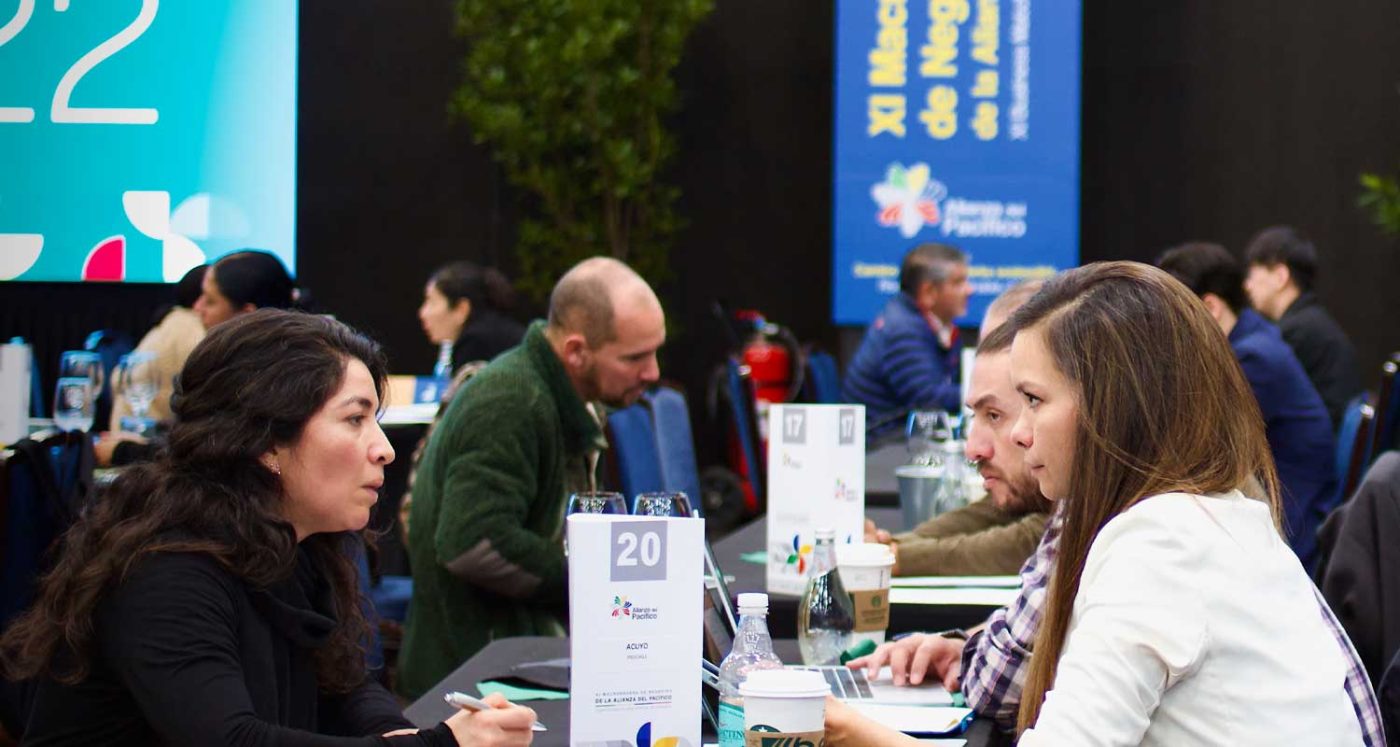
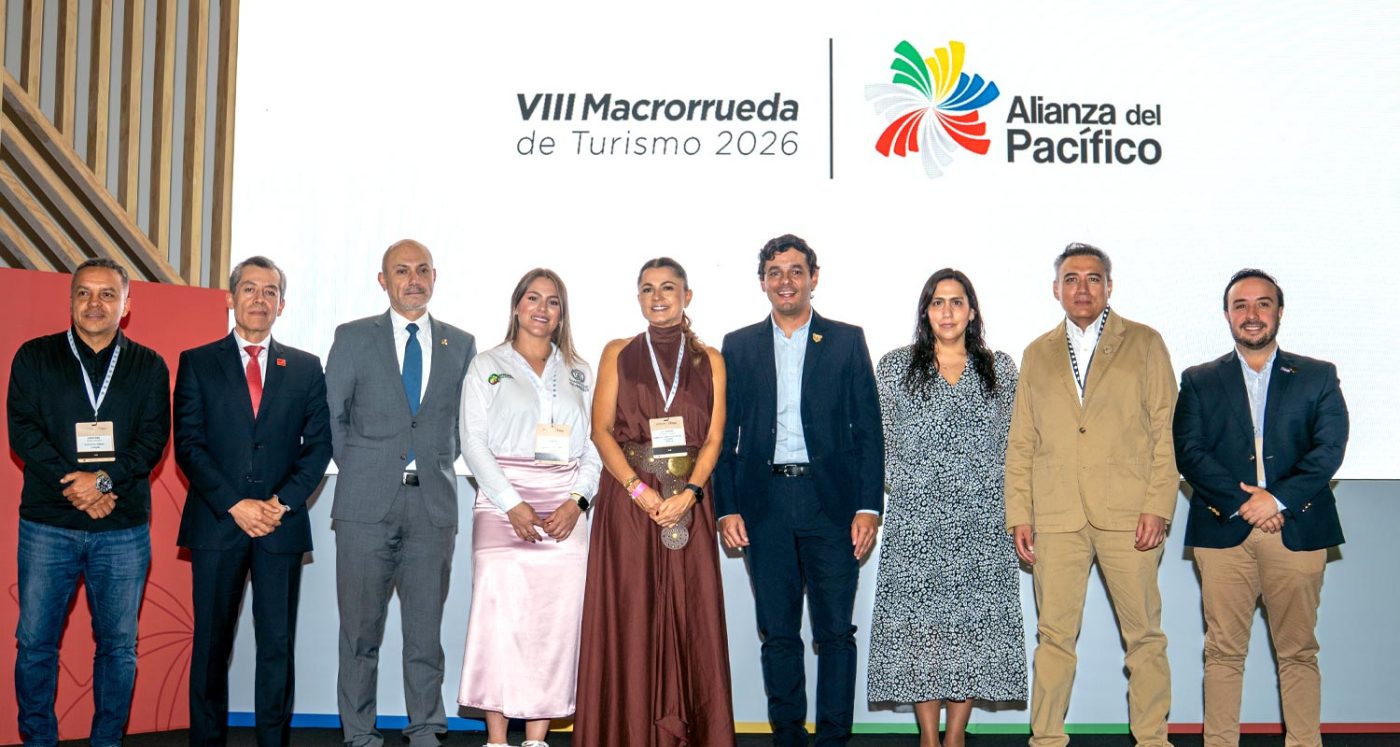
May 4, 2026.- The 8th Pacific Alliance Tourism Business Roundtable concluded on April 24 in Armenia, Colombia, with delegations from Chile, Colombia, Mexico, and Peru. The event brought together 111 companies —50 buyers from strategic markets including China and the regional bloc, alongside 61 exporters from Alliance member states— with a focus on marketing sustainable destinations and consolidating the region’s export offerings.
There were 973 business meetings, which generated total projected sales of US$10.7 million. These projections were reached through one-on-one meetings aimed at promoting high-value-added products. Of the total projected business, 51% (US$5.5 million) is expected to close within six months, while the remaining 49% (US$5.2 million) is projected beyond six months.
ProColombia President Carmen Caballero highlighted the significance of the event: “Holding this Roundtable in Quindío is a firm step toward the sustainable internationalization of our destinations. Achieving projected sales of US$10.7 million shows that joint work among promotion agencies allows the Pacific Alliance to position itself as a highly competitive bloc, attracting high-spending travelers under a model of respect for the environment.”
The Armenia venue showcased the consolidation of the Coffee Cultural Landscape and its infrastructure for the meetings industry (MICE), romance tourism, and sports tourism. The event returned to an in-person format after eight years.
In terms of product offerings, cultural tourism generated the greatest interest and business volume, followed by nature and adventure tourism. Sun and beach, wellness, and cruise segments also stood out.
GTAP: Ten Years of Joint Promotion
This event is the result of work by the Technical Group of Promotion Agencies (GTAP), which since 2014 has led the Alliance’s tourism promotion to position the bloc as an integrated destination. Over the past decade (2014–2024), GTAP has carried out more than 40 joint promotional activities, including seven previous roundtables that generated projected sales of over US$75 million, strengthening both intra-Alliance tourism and presence in long-haul markets.
For Gerardo Serrano Gasca, head of Regional Integration for Latin America and the Caribbean at Mexico’s Foreign Ministry, “Mexico’s participation in the 8th Pacific Alliance Tourism Business Roundtable in Armenia, Quindío confirmed the strategic value of this forum as an effective platform for turning cooperation into economic opportunities, connecting the tourism sector with global markets such as China.” He also noted that for Mexico’s 2026 Pro Tempore Presidency, these events are key to advancing a renewed agenda that strengthens tourism as a driver of integration, with a focus on sustainability, inclusion, and new generations.
Pacific Alliance member states received more than 63 million visitors in 2025, representing 48% of inbound tourism in Latin America, and accounted for 42% of international tourism spending in the region at US$49.165 billion.
Alliance countries received around 14.9 million travelers from within Latin America in 2025. That figure is expected to reach 15.2 million in 2026.
Focus on the Chinese Market
Ten buyers from China, a key strategic market, took part in the Roundtable. Before the business sessions, they completed a familiarization trip through the region to experience firsthand the Coffee Cultural Landscape offering, as well as Bogotá and Medellín. Combined with efforts to promote Chilean, Mexican, and Peruvian destinations in this long-haul market, projected business with Chinese buyers reached US$3.6 million.
Cristóbal Benítez Villafranca, National Director of the National Tourism Service of Chile, said: “This type of initiative confirms the importance of advancing as a bloc to position ourselves in long-haul markets like China, known for high spending and extended stays. Currently, nearly 50% of inbound tourism in Latin America is concentrated in Alliance countries, which shows that Chile has strong potential in products highlighted by participants, such as nature and adventure tourism.”
PROMPERÚ Executive President Freddy José María Solano González explained: “Participating in the 8th Pacific Alliance Tourism Business Roundtable has been a great opportunity to promote the sustainable tourism destinations of the member countries at the intra-regional level and to engage directly with Chinese buyers at the event. It has helped us continue building our profile as a leading travel destination offering unique and diverse experiences.”
Quindío as a Hub for the Meetings Industry and Sustainability
The Armenia, Quindío venue showcased local infrastructure for romance, cultural, and nature tourism, as well as the meetings industry. Quindío Convention Bureau Director José Manuel Cimadevilla Acevedo said: “Armenia and Quindío are ready to host major events, congresses, meetings, and incentive travel. The Roundtable was not only a commercial platform but also a reflection of the coordinated work between the public and private sectors that has helped build a true MICE ecosystem in Armenia and Quindío as a gateway to the Coffee Cultural Landscape of Colombia.”
He added: “This effort has produced a diversified, competitive, and high-value tourism offering, placing the destination firmly on the Colombian tourism map. Events like this are especially significant for their ability to stimulate the economy during low seasons by attracting high-spending visitors. It is estimated that over the three days of the Roundtable, the economic impact reached 1.5 billion pesos.” He underscored the significance of an event that returned to the city after eight years, reaffirming its international tourism profile and appeal to the global meetings industry.
The 8th Pacific Alliance Tourism Business Roundtable is one component of the Sustainable Internationalization Capacity-Building Program, which included technical training for businesses between April 14 and 20, 2026, ensuring that the products presented meet international competitiveness standards. A final component will consist of joint follow-up, to measure the impact of the business generated and guide the bloc’s future strategies.