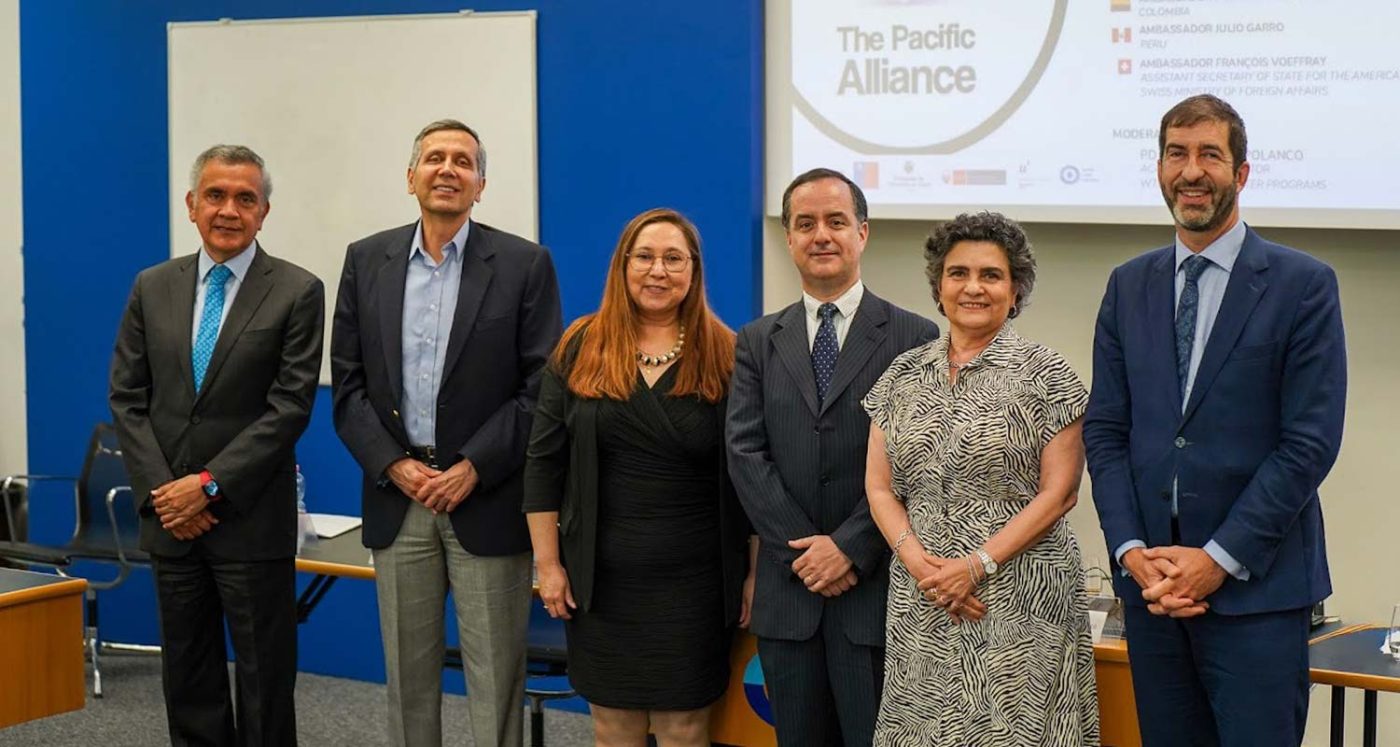
The panel discussion “The Pacific Alliance at 15: Integration, Global Reach, and Cooperation for the Future” concluded with Great Success

July 2, 2026.- As part of the Pacific Alliance’s anniversary celebrations, a panel discussion titled “The Pacific Alliance at 15: Integration, Global Reach, and Cooperation for the Future” was held in Bern on May 26, with the support of the World Trade Institute and the University of Bern.

The initiative generated widespread interest among the academic community, students, international relations specialists, and members of the diplomatic corps accredited in Switzerland.

The panel, moderated by Professor Rodrigo Polanco, academic coordinator of the World Trade Institute’s (WTI) advanced master’s programs, featured the participation of Ambassador François Voeffray, Under-Secretary of State for the Americas and the Caribbean at the Swiss Federal Department of Foreign Affairs, as well as the ambassadors of Chile, Carla Serazzi Chang; from Colombia, Francisco Echeverri Lara; from Mexico, Cecilia Jaber; and from Peru, Julio Garro Gálvez. The diversity of perspectives allowed for a multifaceted examination of the Pacific Alliance’s progress, challenges, and opportunities after fifteen years of existence.

During the panel, Mexico’s Ambassador Cecilia Jaber presented a comprehensive overview of the Alliance’s evolution, as well as the priorities of the current Pro Tempore Presidency. She emphasized that the goal is to consolidate the PA’s international profile through closer dialogue with observer states, including Switzerland, which was recognized as a distinctive feature of the bilateral relationship and of that country’s sustained interest in the mechanism.

Subsequently, each of the ambassadors presented, from their country’s perspective, the main areas of cooperation and the benefits derived from the Pacific Alliance.

On behalf of Colombia, Ambassador Francisco Echeverri Lara presented the management of the Cooperation Fund, as well as its results in the areas of youth, education, and gender, along with initiatives for economic and tourism promotion.

Chile’s representative, Ambassador Carla Serazzi Chang, highlighted the importance of deepening economic integration and expanding market access, as well as advancing the diversification of international partnerships. She also emphasized the importance of strengthening the Alliance’s outreach to strategic partners, with a view to consolidating its position on the global stage.

On behalf of Peru, Ambassador Julio Garro Gálvez addressed economic integration and its effects on investment and entrepreneurship, as well as opportunities for youth and productive sectors, with an emphasis on inclusion and regional cohesion.

For his part, Ambassador François Voeffray, representing Switzerland as an observer state, outlined his country’s priorities and thematic approaches to cooperation with the Pacific Alliance.

To conclude the event, a culinary showcase featuring dishes representative of the four member countries of the Pacific Alliance was offered, conceived as a space for cultural diplomacy that complemented the academic dialogue. The activity highlighted the culinary richness of Mexico, Chile, Colombia, and Peru as an expression of identity and a tool for cultural outreach, contributing to the consolidation of a comprehensive dimension of the mechanism’s international presence.

COMMUNICATIONS PPT 2026 PACIFIC ALLIANCE

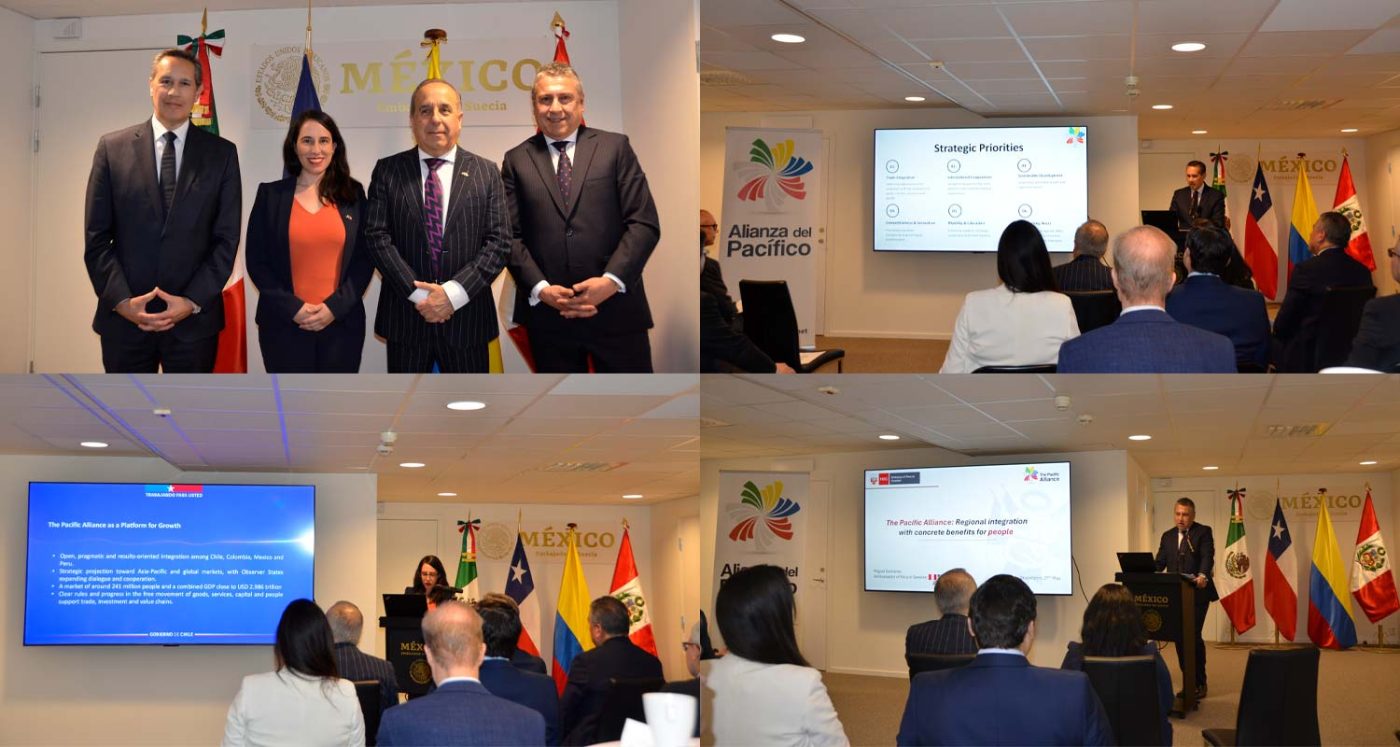
Pacific Alliance Embassies in Sweden Commemorate the 15th Anniversary of the Regional Integration Mechanism

May 29, 2026.- On May 27, the embassies of Chile, Colombia, Mexico and Peru in Sweden took part in a commemorative event marking the 15th anniversary of the Pacific Alliance (PA), with the aim of strengthening dialogue with key Swedish stakeholders and highlighting the main achievements, prospects and cooperation opportunities offered by this integration mechanism.

The event brought together members of the diplomatic corps accredited in Sweden, representatives of the Swedish Parliament, business and academic leaders, as well as representatives from observer countries of the Pacific Alliance.

During the opening session, Mexico’s Ambassador to Sweden, Alejandro Alday, speaking on behalf of Mexico as holder of the Pro Tempore Presidency (PPT), delivered a presentation on the foundations of the Pacific Alliance, its legal framework, and the results achieved by the bloc over the past fifteen years in terms of population, share of regional GDP, attraction of foreign direct investment (FDI), and strategic partnerships with countries and regional groups around the world.

María José Cifuentes, Chargé d’Affaires of the Embassy of Chile in Sweden, presented the Alliance’s economic and business dimension, emphasizing its role as a platform for business development, investment, regional value chains, trade facilitation, SME internationalization, innovation, the digital agenda and e-commerce.

Guillermo Francisco Reyes González, Ambassador of Colombia to Sweden, highlighted the benefits his country has gained through the Alliance and the opportunities for tourism cooperation among its member states.

Miguel Ángel Samanez Bendezú, Ambassador of Peru to Sweden, outlined the progress achieved in areas such as education, youth, culture and rights, reflecting the multidimensional nature of regional integration.

The event also featured distinguished representatives from the Swedish business community, including Oscar Stenström, Director and Senior Advisor of the Wallenberg Group, and Ola Bergström, Director of Government & Policy Advocacy at Ericsson. Both shared their perspectives on the opportunities the Pacific Alliance offers in the fields of innovation, digital transformation, technological infrastructure, investment and sustainable development. Swedish companies interested in expanding or establishing their presence in Latin America also participated, including Candela and NoviOcean, for whom the event provided an opportunity to gain a deeper understanding of the advantages offered by the Pacific Alliance.

Representatives from the embassies of New Zealand, China, Japan and the Republic of Korea were also in attendance, reflecting the strong interest and cooperation links that these countries maintain with the Pacific Alliance.

The event provided a valuable platform for dialogue and exchange among representatives from different sectors, while also enhancing the visibility of the Pacific Alliance and its current priorities in Sweden.

COMMUNICATIONS PPT 2026 PACIFIC ALLIANCE

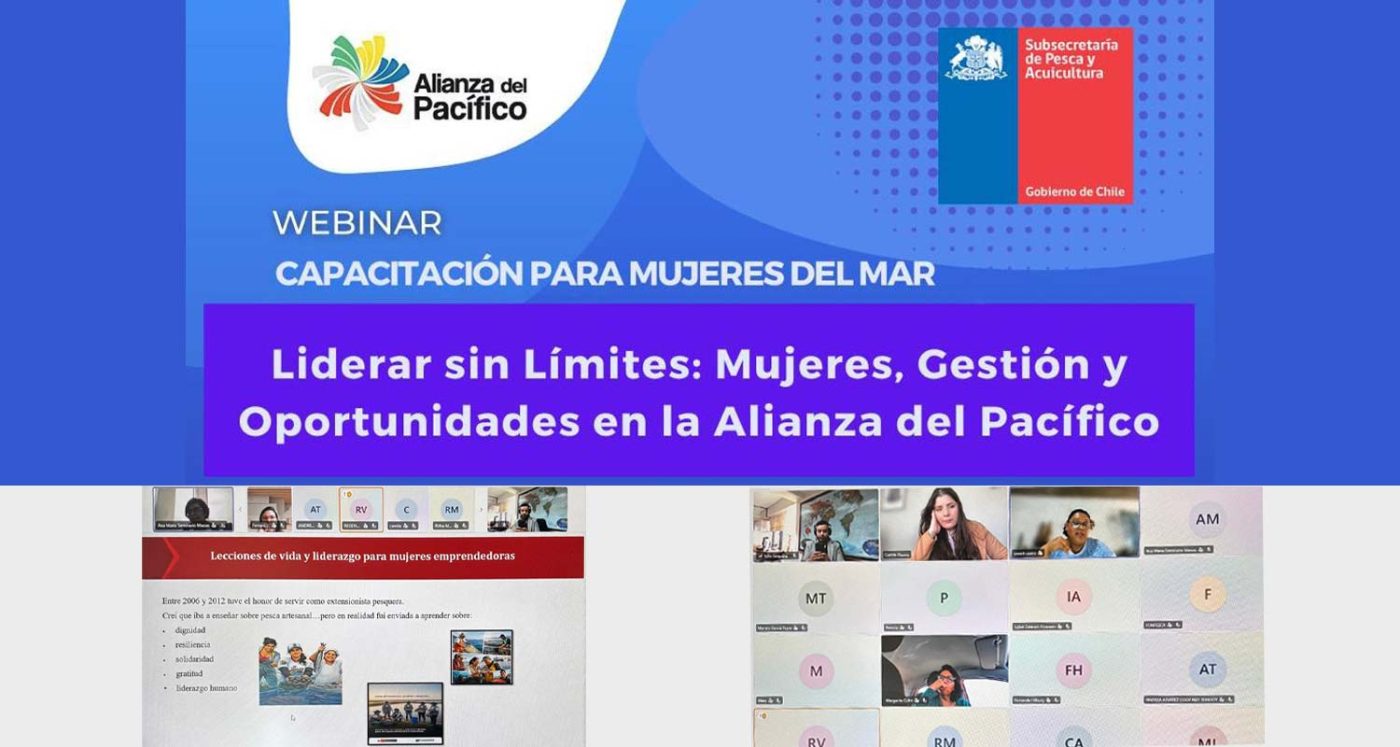
Women from the Pacific Alliance Strengthen Leadership and Collaboration Networks in Fisheries and Aquaculture

May 28, 2026.- With the participation of nearly 70 women from Chile, Colombia, Peru, and Mexico, the international webinar “Leading Without Limits: Women, Management, and Opportunities in the Pacific Alliance” was held, an event organized within the framework of the Pacific Alliance’s Technical Group on Fisheries and Aquaculture.

The event brought together women involved in the fisheries and aquaculture sector from the four member countries, creating a space for dialogue, reflection, and the exchange of experiences on leadership, entrepreneurship, sustainability, and strengthening the role of women in coastal communities.

The webinar featured presentations by Ms. Ana María Seminario, a professional from Peru’s Ministry of Production (PRODUCE), and Ms. Yanett Miranda Castro Medina, a prominent fisheries leader from Mexico and president of the National Network of Women in Fisheries.

During the event, Ms. Ana María Seminario shared her experience and career in fieldwork with Peruvian fishing communities, offering an intimate, human, and inspiring perspective on community strengthening and support for women in the sector.

For her part, Ms. Yanett Castro highlighted the work carried out with women from fishing cooperatives in Mexico and the process of creating and consolidating the National Network of Women in Fisheries, an organization that currently has a presence in 13 of the country’s 17 coastal states, making it a significant example of coordination and women’s leadership in Latin America.

As the Pacific Alliance’s Technical Group on Fisheries and Aquaculture, the contributions of both speakers were particularly valued, as their experiences highlighted the importance of women’s leadership, collaboration, and networking for the sector’s sustainable development.

Among the key lessons discussed during the webinar, it was emphasized that dialogue, solidarity, and a sense of responsibility are essential qualities of leadership, enabling one to listen, build trust, and establish common goals. It was also noted that women leaders in fisheries and aquaculture demonstrate courage, empathy, and a commitment to their local communities, transforming challenges into opportunities for them.

The importance of building trust, maintaining a proactive attitude, and promoting access to information and knowledge about the regulations and challenges of the fisheries and aquaculture sector was also emphasized as fundamental tools for creating opportunities and advancing toward sustainable development.

During the meeting, participants also reflected on the challenges women face in spaces historically dominated by men, where their work often remains invisible. In this context, it was highlighted that one of the main challenges is to advance women’s self-recognition as fisherwomen, gatherers, and key actors in the fisheries and aquaculture production chain.

Likewise, the need to empower new generations of women leaders capable of driving a more inclusive, sustainable blue economy with a territorial identity was emphasized, by promoting collaborative networks, entrepreneurial opportunities, and marketing channels that contribute to the well-being of coastal communities.

Finally, the fundamental role that women play in promoting sustainable fishing was recognized, as they drive responsible practices that ensure not only economic income but also food security, social cohesion, and well-being for their families and coastal communities.

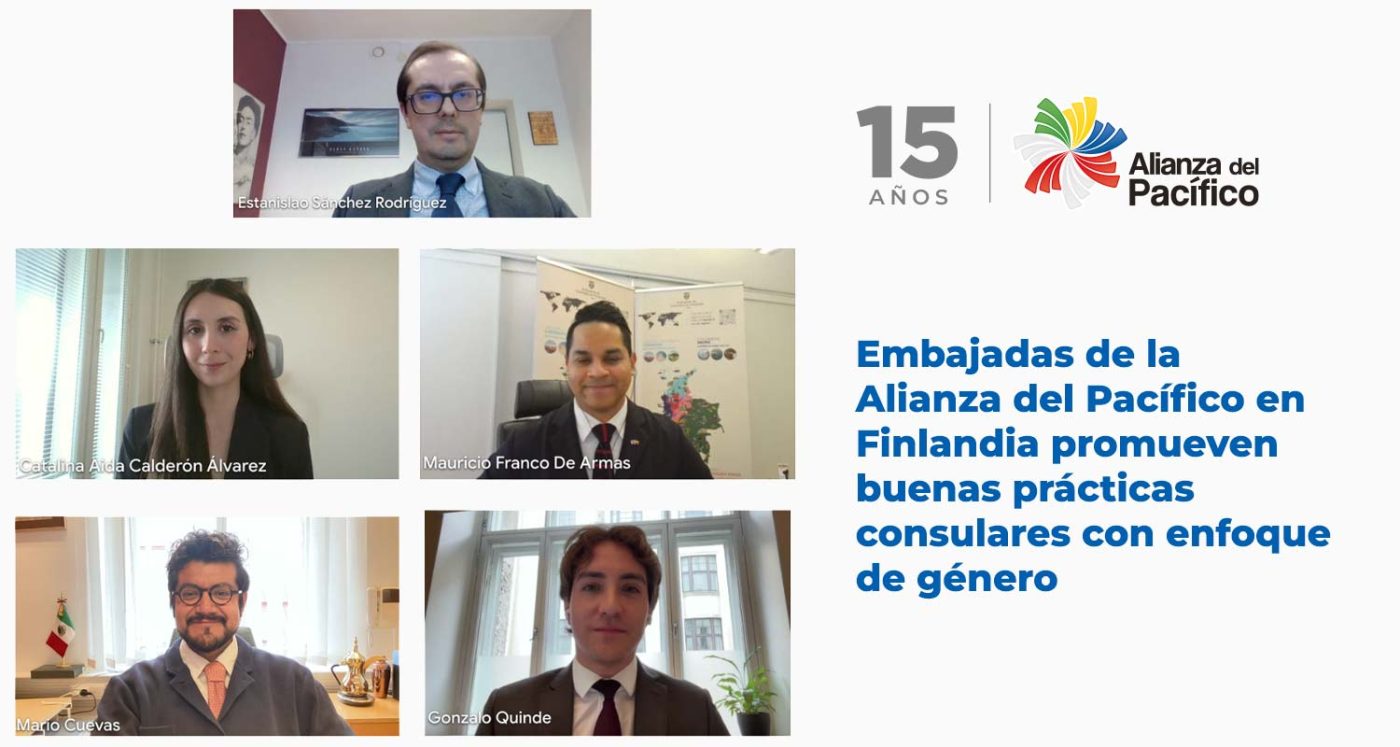
Pacific Alliance Embassies in Finland Promote Gender-Responsive Consular Best Practices

May 12, 2026.- In the framework of the 15th anniversary of the Pacific Alliance and Mexico’s Pro Tempore Presidency in 2026, the embassies of Chile, Colombia, Mexico, and Peru in Finland held the online discussion forum entitled “Gender-Responsive Consular Protection and Assistance: Experiences and Best Practices.”

This initiative forms part of the mechanism’s efforts to mainstream the gender perspective and promote public policies that contribute to women’s empowerment and inclusive development.

During the event, participants acknowledged the importance of having foreign policy instruments that promote substantive equality and guarantee dignified, accessible, and gender-sensitive services that respond to the needs of all individuals, particularly those belonging to historically vulnerable groups.

Participants agreed that a gender perspective is not only a cross-cutting element of consular action, but also a key tool for improving the quality of services and strengthening the protection of national communities abroad.

The Pacific Alliance reaffirms its commitment to gender equality and to the provision of inclusive, efficient, and people-centered services.

COMMUNICATIONS PPT 2026 PACIFIC ALLIANCE

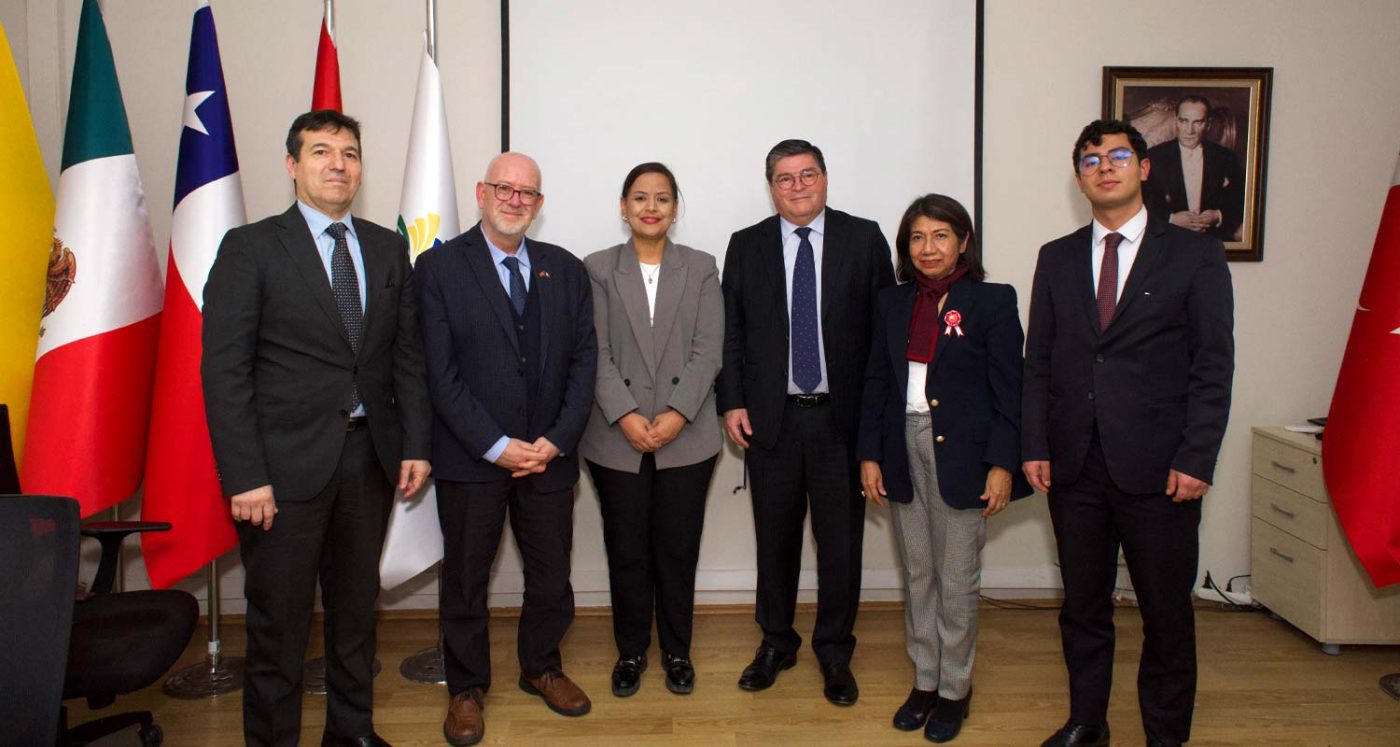
Ankara University Hosts Commemoration of the Pacific Alliance’s 15th Anniversary

May 11, 2026.- On May 5, Ankara University hosted the panel discussion “The Pacific Alliance at 15: A Review of Its Main Achievements” at its Latin American Studies Center.

The event brought together the diplomatic representatives of the four Pacific Alliance (PA) member countries accredited in Türkiye: Chilean Ambassador Rodrigo Arcos; Colombia’s Consular Affairs Officer Mateo Beltrán Ramírez; Mexican Ambassador Javier Díaz de León; and Peruvian Ambassador Luz Betty Caballero.

During the discussion, participants highlighted the Pacific Alliance’s main achievements over the past 15 years and agreed that the mechanism has consolidated itself as a platform for integration based on cooperation, openness, and shared benefits.

The session was moderated by Dr. Zeynep Kayacik, Director of Ankara University’s Latin American Studies Center. Also participating was Ambassador Erkan Aytun, Director General for Latin America at the Ministry of Foreign Affairs of Türkiye, who underscored his country’s interest in strengthening its presence in Latin America through its participation as an observer state of the Pacific Alliance.

He also expressed the Turkish Foreign Ministry’s willingness to promote concrete cooperation projects with the embassies of the Alliance’s member countries accredited in Ankara.

During the Q&A session, university students expressed interest in the Pacific Alliance’s academic mobility mechanisms and in expanding scholarship opportunities for Turkish students to pursue studies in member countries of the bloc.

COMMUNICATIONS PPT 2026 PACIFIC ALLIANCE

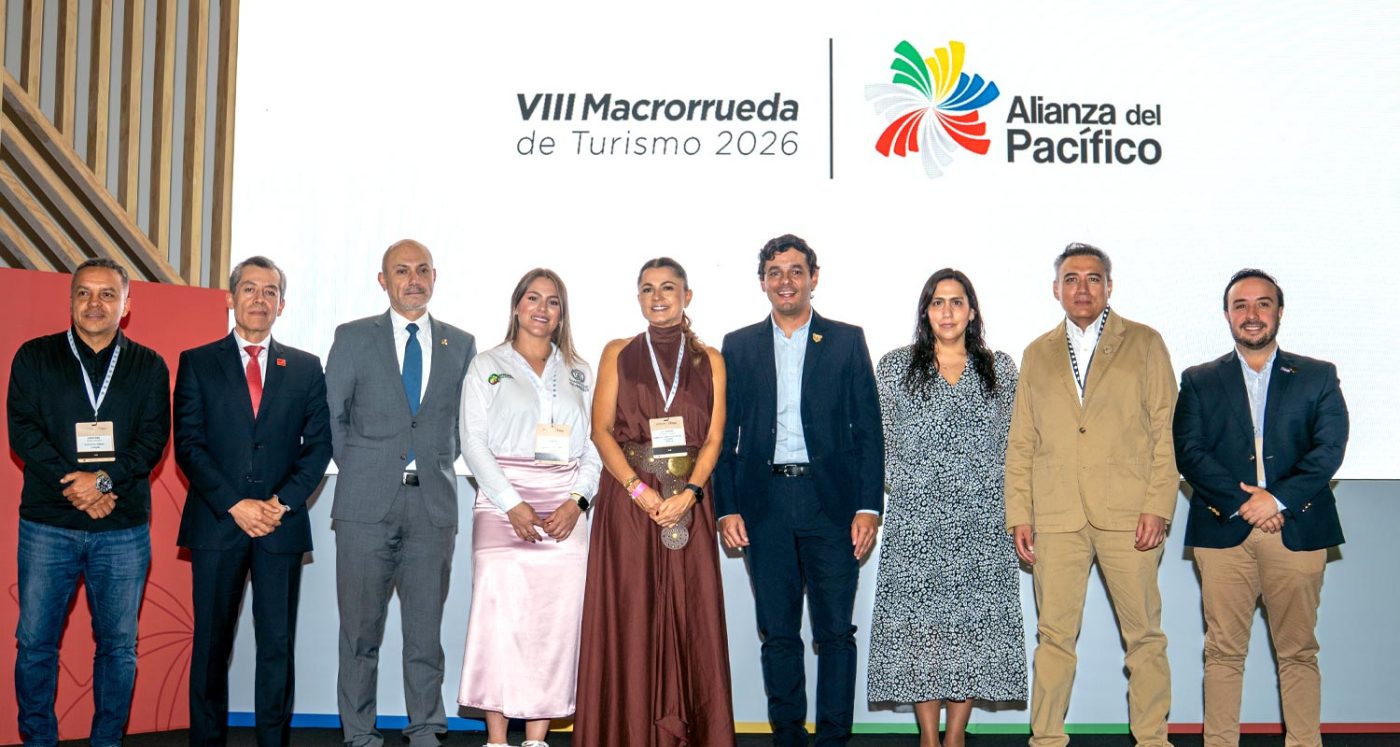
Pacific Alliance Projects Over US$10.7 Million in Business at the 8th Tourism Business Roundtable in Quindío

Pacific Alliance exporters and buyers from China concluded business sessions in Armenia, Colombia, focused on sustainable destinations, following technical training led by the four countries’ promotion agencies.

May 4, 2026.- The 8th Pacific Alliance Tourism Business Roundtable concluded on April 24 in Armenia, Colombia, with delegations from Chile, Colombia, Mexico, and Peru. The event brought together 111 companies —50 buyers from strategic markets including China and the regional bloc, alongside 61 exporters from Alliance member states— with a focus on marketing sustainable destinations and consolidating the region’s export offerings.

There were 973 business meetings, which generated total projected sales of US$10.7 million. These projections were reached through one-on-one meetings aimed at promoting high-value-added products. Of the total projected business, 51% (US$5.5 million) is expected to close within six months, while the remaining 49% (US$5.2 million) is projected beyond six months.

ProColombia President Carmen Caballero highlighted the significance of the event: “Holding this Roundtable in Quindío is a firm step toward the sustainable internationalization of our destinations. Achieving projected sales of US$10.7 million shows that joint work among promotion agencies allows the Pacific Alliance to position itself as a highly competitive bloc, attracting high-spending travelers under a model of respect for the environment.”

The Armenia venue showcased the consolidation of the Coffee Cultural Landscape and its infrastructure for the meetings industry (MICE), romance tourism, and sports tourism. The event returned to an in-person format after eight years.

In terms of product offerings, cultural tourism generated the greatest interest and business volume, followed by nature and adventure tourism. Sun and beach, wellness, and cruise segments also stood out.

GTAP: Ten Years of Joint Promotion

This event is the result of work by the Technical Group of Promotion Agencies (GTAP), which since 2014 has led the Alliance’s tourism promotion to position the bloc as an integrated destination. Over the past decade (2014–2024), GTAP has carried out more than 40 joint promotional activities, including seven previous roundtables that generated projected sales of over US$75 million, strengthening both intra-Alliance tourism and presence in long-haul markets.

For Gerardo Serrano Gasca, head of Regional Integration for Latin America and the Caribbean at Mexico’s Foreign Ministry, “Mexico’s participation in the 8th Pacific Alliance Tourism Business Roundtable in Armenia, Quindío confirmed the strategic value of this forum as an effective platform for turning cooperation into economic opportunities, connecting the tourism sector with global markets such as China.” He also noted that for Mexico’s 2026 Pro Tempore Presidency, these events are key to advancing a renewed agenda that strengthens tourism as a driver of integration, with a focus on sustainability, inclusion, and new generations.

Pacific Alliance member states received more than 63 million visitors in 2025, representing 48% of inbound tourism in Latin America, and accounted for 42% of international tourism spending in the region at US$49.165 billion.

Alliance countries received around 14.9 million travelers from within Latin America in 2025. That figure is expected to reach 15.2 million in 2026.

Focus on the Chinese Market

Ten buyers from China, a key strategic market, took part in the Roundtable. Before the business sessions, they completed a familiarization trip through the region to experience firsthand the Coffee Cultural Landscape offering, as well as Bogotá and Medellín. Combined with efforts to promote Chilean, Mexican, and Peruvian destinations in this long-haul market, projected business with Chinese buyers reached US$3.6 million.

Cristóbal Benítez Villafranca, National Director of the National Tourism Service of Chile, said: “This type of initiative confirms the importance of advancing as a bloc to position ourselves in long-haul markets like China, known for high spending and extended stays. Currently, nearly 50% of inbound tourism in Latin America is concentrated in Alliance countries, which shows that Chile has strong potential in products highlighted by participants, such as nature and adventure tourism.”

PROMPERÚ Executive President Freddy José María Solano González explained: “Participating in the 8th Pacific Alliance Tourism Business Roundtable has been a great opportunity to promote the sustainable tourism destinations of the member countries at the intra-regional level and to engage directly with Chinese buyers at the event. It has helped us continue building our profile as a leading travel destination offering unique and diverse experiences.”

Quindío as a Hub for the Meetings Industry and Sustainability

The Armenia, Quindío venue showcased local infrastructure for romance, cultural, and nature tourism, as well as the meetings industry. Quindío Convention Bureau Director José Manuel Cimadevilla Acevedo said: “Armenia and Quindío are ready to host major events, congresses, meetings, and incentive travel. The Roundtable was not only a commercial platform but also a reflection of the coordinated work between the public and private sectors that has helped build a true MICE ecosystem in Armenia and Quindío as a gateway to the Coffee Cultural Landscape of Colombia.”

He added: “This effort has produced a diversified, competitive, and high-value tourism offering, placing the destination firmly on the Colombian tourism map. Events like this are especially significant for their ability to stimulate the economy during low seasons by attracting high-spending visitors. It is estimated that over the three days of the Roundtable, the economic impact reached 1.5 billion pesos.” He underscored the significance of an event that returned to the city after eight years, reaffirming its international tourism profile and appeal to the global meetings industry.

The 8th Pacific Alliance Tourism Business Roundtable is one component of the Sustainable Internationalization Capacity-Building Program, which included technical training for businesses between April 14 and 20, 2026, ensuring that the products presented meet international competitiveness standards. A final component will consist of joint follow-up, to measure the impact of the business generated and guide the bloc’s future strategies.

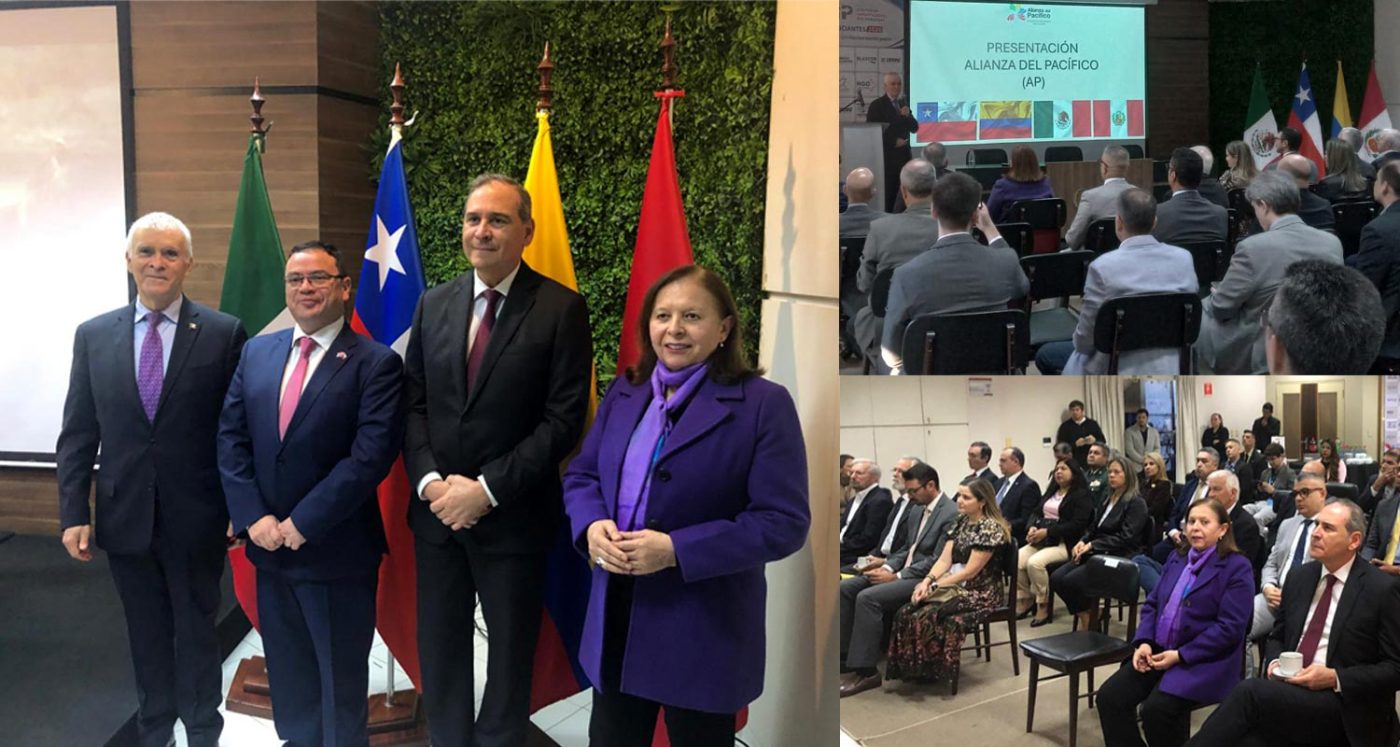
Pacific Alliance Embassies in Paraguay Commemorate 15th Anniversary

April 28, 2026.- The diplomatic missions of Chile, Colombia, Mexico, and Peru accredited in Paraguay held a joint event at the Importers Trade Association (CIP) to mark the 15th anniversary of the Pacific Alliance (PA).

The event was attended by Patricia Frutos Ruíz, Vice Minister for Economic Relations and Integration at the Paraguayan Foreign Ministry, as well as the heads of mission of the four PA member states: Chargé d’Affaires a.i. of Chile, Gerardo Ampuero; Ambassador of Colombia, Juan Manuel Corzo Román; Ambassador of Mexico, Juan Manuel Nungaray; and Ambassador of Peru, María Antonia Masana García.

In their remarks, the heads of mission gave a wide-ranging, up-to-date account of the Alliance, underscoring its value as an effective forum for regional integration and a platform for advancing the economic development of the member states.

Vice Minister Frutos Ruíz shared Paraguay’s perspective on the Pacific Alliance and the country’s expectations as an observer state. In her remarks, she highlighted the importance of exploring avenues for dialogue between the Pacific Alliance and the Southern Common Market (Mercosur), for the benefit of both regions.

Around 60 people attended, including members of the diplomatic corps, Paraguayan government officials, business representatives, academics, and media representatives.

COMMUNICATIONS PPT 2026 PACIFIC ALLIANCE

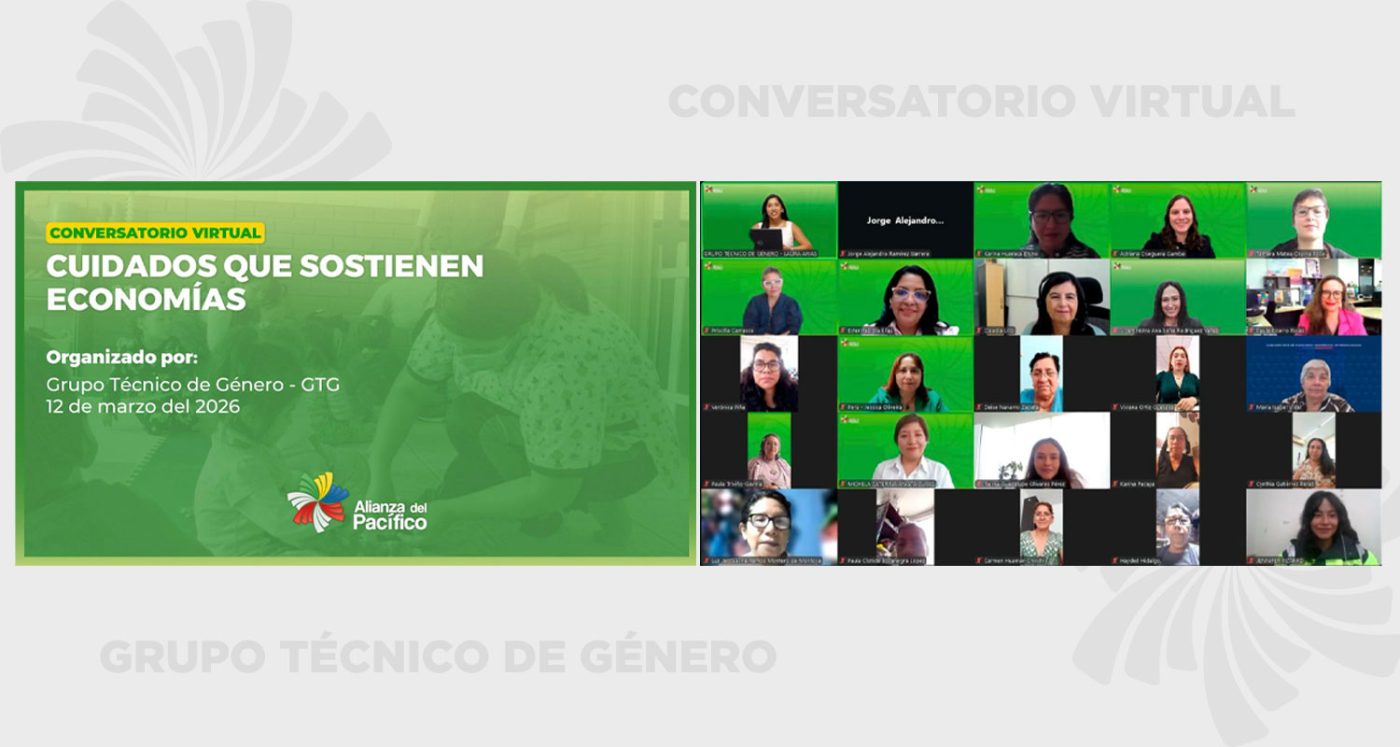
Pacific Alliance Promotes Shared Care Responsibilities to Advance Women’s Economic Autonomy in Latin America

March 17, 2026.- On the occasion of International Women’s Day, the Pacific Alliance Gender Technical Group held the virtual forum “Care That Sustains Economies: From Invisible Work to Shared Responsibility for Women’s Economic Autonomy in the Pacific Alliance.” The forum highlighted the unpaid domestic and care work performed predominantly by women and promoted a more equitable distribution of this work as a condition for strengthening women’s economic autonomy.

The event, livestreamed on March 12 via Zoom, highlighted experiences and best practices that foster greater shared responsibility among the state, the private sector, families, and civil society.

Opening remarks were delivered by Támara Matea Ospina Posse, Vice Minister for Women at Colombia’s Ministry of Equality and Equity, representing the Gender Technical Group’s coordination, and by Ana Sofía Rodríguez Yáñez, Vice Minister for Women at Peru’s Ministry of Women and Vulnerable Populations. Both speakers underscored the role of Latin American women in driving socioeconomic growth through shared care responsibilities.

A regional analysis of progress and challenges on the care agenda in Latin America was presented by Karina Huaraca, Peru Chapter Coordinator of UN Women’s “Transforming Care Economies” project, who stressed the need to coordinate efforts among multiple stakeholders to move toward more comprehensive and functional care systems.

The creation of a National Care System to advance women’s economic autonomy was the central focus among government officials, while private sector representatives from WOM Chile, Granabastos Colombia, and CPS Peru demonstrated their commitment to shared care responsibilities through initiatives such as parental leave, flexible scheduling, family support programs, and workplace training.

The forum reaffirmed the commitment of the Pacific Alliance to women’s economic autonomy and to joint action that contributes to recognizing and redistributing care work, in pursuit of more inclusive and sustainable economies in the region.

The Pacific Alliance thanks the following government officials and company representatives for their participation: Priscilla Carrasco Pizarro (Chile), Paula Triviño Gaviria (Colombia), Adriana Oseguera Gamba (Mexico), and Jessica Oliveira Bardales (Peru); and Francisca Zañartu Neculhueque (WOM Chile), Ester Fabiola Elías Castro (Granabastos, Colombia), and Michela Ayasta Cuba (CPS Peru).

The 2026 version of the Pacific Alliance Tourism Investor Guide has been launched

March 11, 2026.- The preparation of this document is part of the commitments assumed by Chile in the Work Plan of the Tourism Technical Group (GTT) for the year 2026. Its publication gives continuity to the objectives of the project “Boosting the attraction of tourism investments for the sustainable reactivation of the Pacific Alliance countries”, which was financed by the Pacific Alliance Cooperation Fund in 2023.

The delivery of this document fulfils the technical objectives of the GTT (Tourism Working Group), which are aimed at harmonising promotional tools and strengthening the Pacific Alliance’s position as an attractive and competitive destination. This collaborative initiative aims to standardise the information available to investors and promote sustainable tourism development in the four member countries.

Consult the guides here

Armenia, Colombia to Bring Together 150 Tourism Industry Leaders from the Pacific Alliance and China for Business Roundtable

The VIII Pacific Alliance Tourism Business Roundtable will promote the marketing of sustainable destinations as part of the bloc’s Capacity-Building Program for the Sustainable Internationalization of Tourist Destinations, led by the Promotion Agencies Technical Group (GTAP).

February 26, 2026.- Armenia, Colombia, will host the VIII Pacific Alliance Tourism Business Roundtable on April 23–24, 2026. The event is the premier tourism business platform of the regional bloc comprising Chile, Colombia, Mexico, and Peru, and will bring together approximately 100 inbound operators (25 per country) and 50 international buyers, including 40 outbound operators from Alliance member countries and 10 from China, a priority long-haul market within the bloc’s joint international tourism promotion strategy.

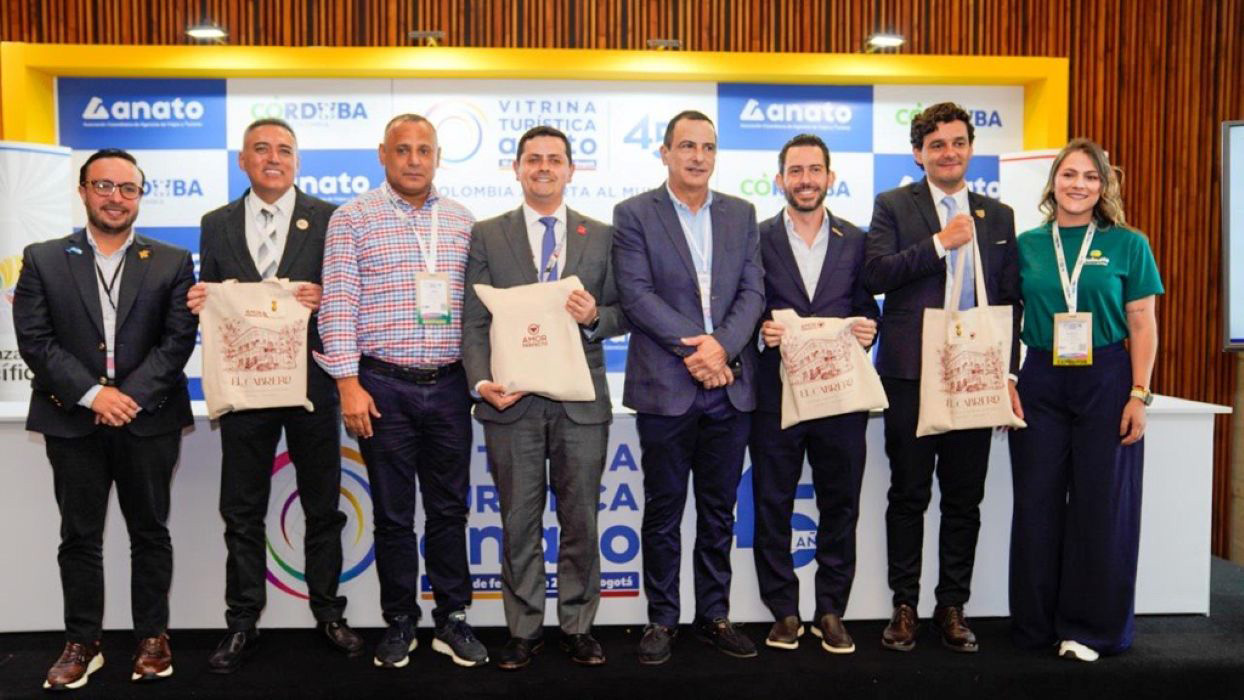
The announcement was made at Colombia Travel Mart 2026, held at Corferias as part of the ANATO 2026 Tourism Showcase. The event featured participation from representatives of the Mexican Government—currently holding the Pacific Alliance pro tempore presidency—as well as the Quindío Convention Bureau and ProColombia.

“The Pacific Alliance Tourism Business Roundtable is a strategic platform for our business leaders to forge high-impact partnerships and showcase an increasingly sustainable offering. After eight years, this gathering returns to an in-person format in Armenia—a direct response to our business community’s need to connect face-to-face to strengthen the region. This is the ideal stage to demonstrate the power of integration and jointly promote the richness of our ‘World Treasure’ to priority markets like China,” said Carmen Caballero, President of ProColombia.

Armenia previously hosted the event July 11–13, 2018, generating an estimated US$22.2 million in multi-destination business. That tourism roundtable drew approximately 194 industry professionals from Chile, Colombia, Mexico, Peru, China, and the United States, with nearly 1,772 one-on-one business meetings held between outbound and inbound operators.

The selection of Armenia as the host city reflects the consolidation of the Coffee Cultural Landscape as an international showcase for nature, wellness, and cultural tourism. The destination stands out for its strong sustainability credentials and its potential for attracting Asian travelers. The region has diversified its tourism offering to include meetings and events (MICE) at both modern and traditional venues, as well as romance tourism and destination weddings. Quindío also has infrastructure for sports tourism in mountain settings and theme parks, complementing its biodiversity and traditional cultural heritage.

“By hosting the Pacific Alliance Tourism Business Roundtable in Armenia and Quindío, we continue to prove that our destination is a world-class option within Colombia’s Coffee Cultural Landscape—distinguished by its infrastructure, service quality, and differentiated experiences for the meetings and events industry, corporate segments, and traditional tourism, both at the national and international level,” said José Manuel Cimadevilla, Director of the Quindío Convention Bureau.

The event is part of the Pacific Alliance’s Capacity-Building Program for the Sustainable Internationalization of Tourist Destinations, an initiative funded through the bloc’s Cooperation Fund and implemented by the Promotion Agencies Technical Group (GTAP)—comprising Chile’s National Tourism Service (SERNATUR), Mexico’s Tourism Ministry (SECTUR), PROMPERÚ, and ProColombia.

Over its seven previous events, the Business Roundtable has brought together more than 600 inbound operators from within the bloc and nearly 300 outbound operators from nine international markets, with estimated business exceeding US$75 million. This year, participants will hold 20-minute one-on-one meetings to present their offerings in cultural, gastronomic, nature and adventure, and wellness tourism.

Sustainable Internationalization as a Strategic Priority

Ahead of the Business Roundtable, the program includes a training component designed to strengthen the participating companies’ technical capabilities in sustainability. In April 2026, five virtual sessions will be held, including an open introductory webinar on sustainable tourism and an analysis of current dynamics in international tourism—addressing challenges such as overtourism, the erosion of authenticity, and the growing social backlash in saturated destinations.

This will be complemented by four specialized master classes for the 100 companies participating in the Business Roundtable. Topics will include creating and marketing sustainable products, responsible internationalization practices, the use of technology and data analytics to boost competitiveness, and specific strategies for attracting and retaining Chinese travelers.

China and Multi-Destination Promotion

The program renews the bloc’s joint outreach strategy toward third-party markets, with a particular focus on China—one of the world’s largest outbound tourism markets, known for high-spending travelers who typically include multiple countries in a single itinerary. The participation of 10 Chinese outbound operators at the Business Roundtable is an opportunity to promote multi-destination packages within the Pacific Alliance, deepen regional integration, and extend the bloc’s international reach.

The focus on China reflects a deliberate positioning strategy with the world’s largest source of outbound tourists and a key partner for the bloc’s multi-destination promotion. Chinese tourists continue to represent the highest-value segment for Pacific Alliance destinations, with average per capita spending exceeding $2,800 in 2025, and the total expenditure of this market reaching a historic $459 billion.

Voices from the Region’s Tourism Leaders

Josefina Rodríguez Zamora, Mexico’s Secretary of Tourism, said: “Within the Pacific Alliance, we are building a strong regional narrative in which Chile, Colombia, Mexico, and Peru present themselves to the world as a diverse, authentic, and competitive multi-destination experience. This Tourism Business Roundtable in Armenia reaffirms our commitment to responsible promotion based on sustainability, innovation, and the smart cultivation of key outbound markets for tourism growth in the region.”

Cristóbal Benítez Villafranca, National Director of Chile’s National Tourism Service (SERNATUR), noted: “At SERNATUR, we firmly believe in the importance of driving promotional initiatives like this one, born from the collaborative work of the promotion agencies of the Pacific Alliance member countries. This joint effort strengthens intra-regional tourism while simultaneously opening doors to long-haul markets such as China.”

Ricardo Limo, Executive President of PROMPERÚ, added: “The Pacific Alliance Tourism Business Roundtable is a key platform for strengthening regional integration and building strategic partnerships between public and private stakeholders with the goal of driving tourism to member countries. At PROMPERÚ, we support these kinds of platforms that allow us to take on new challenges, grow together, and promote sustainable, responsible tourism experiences.”