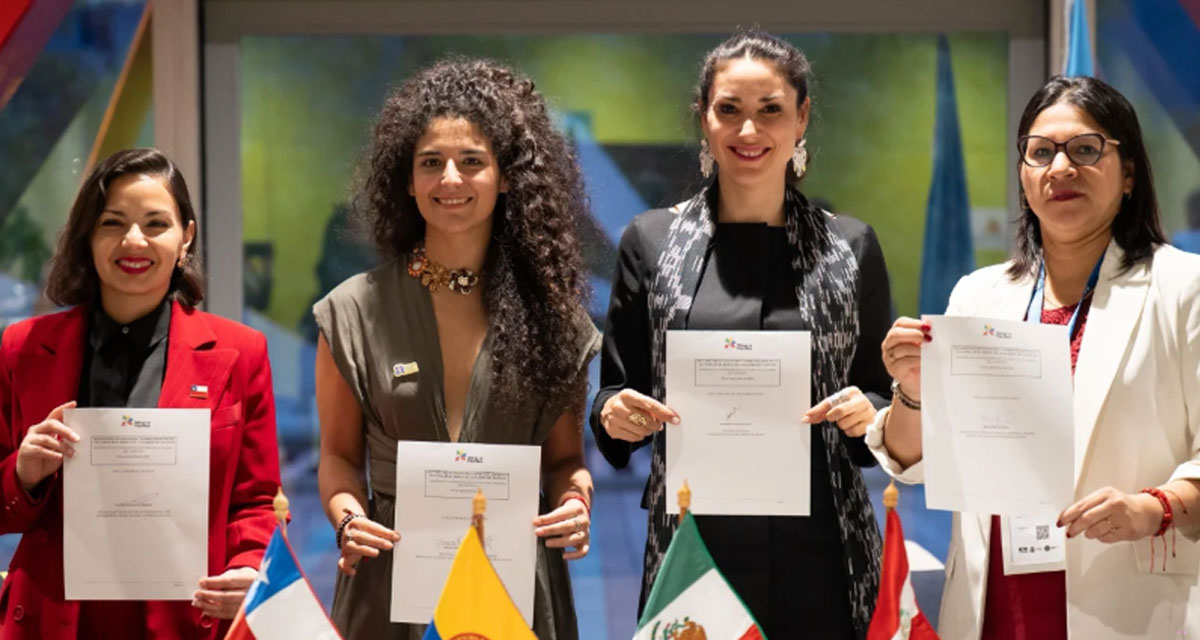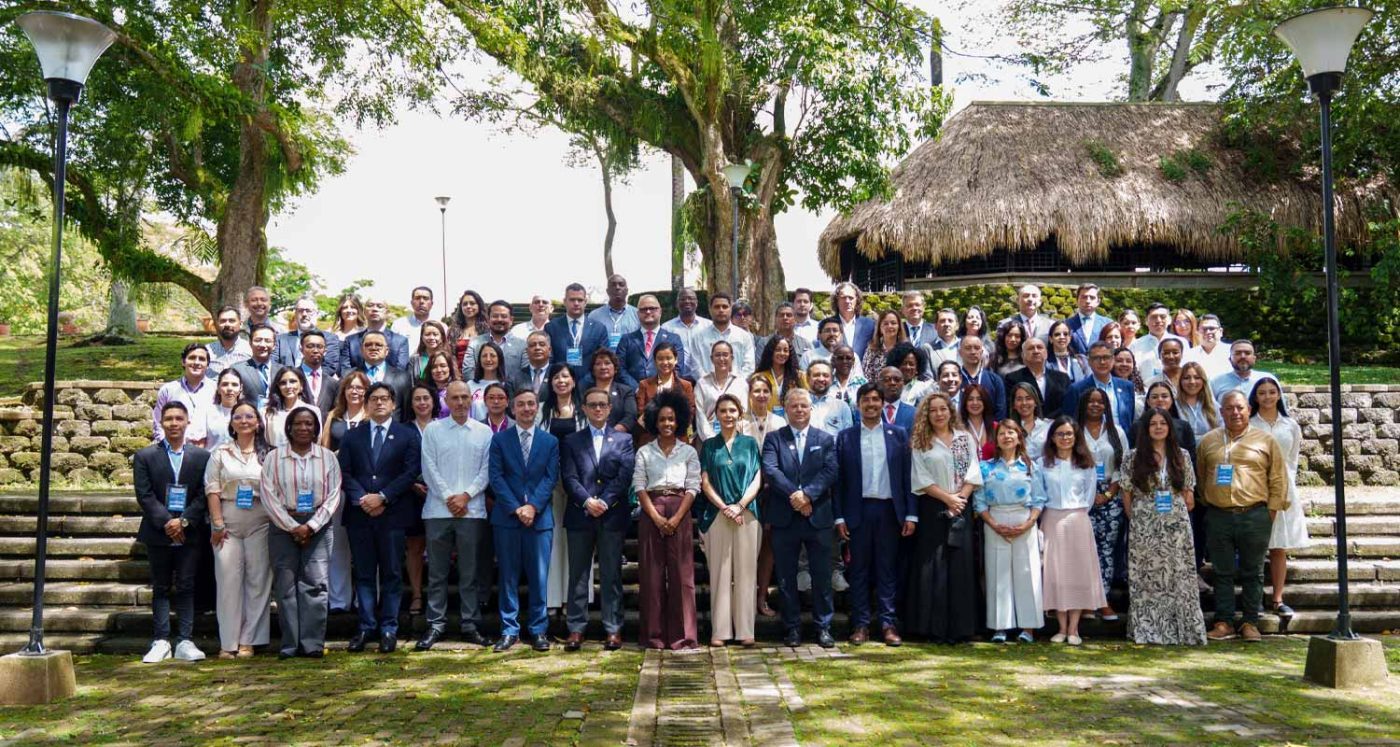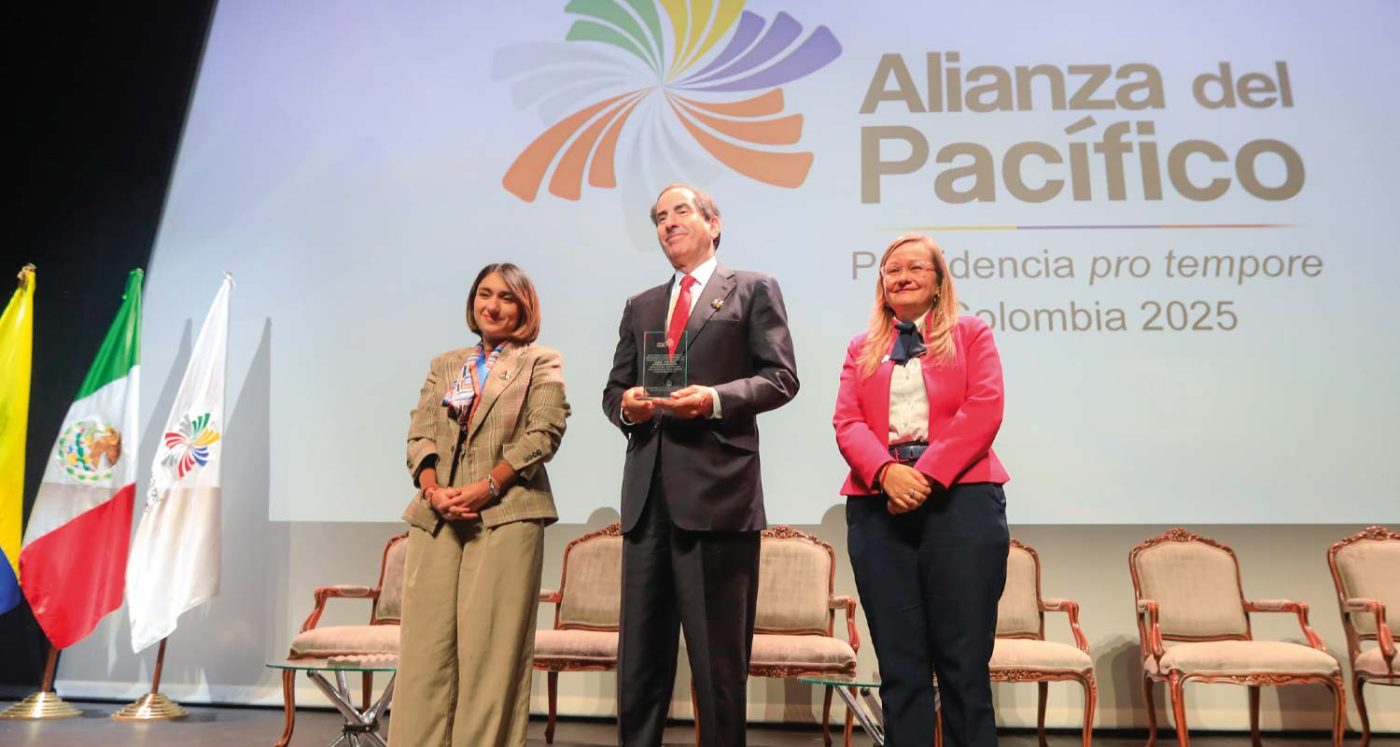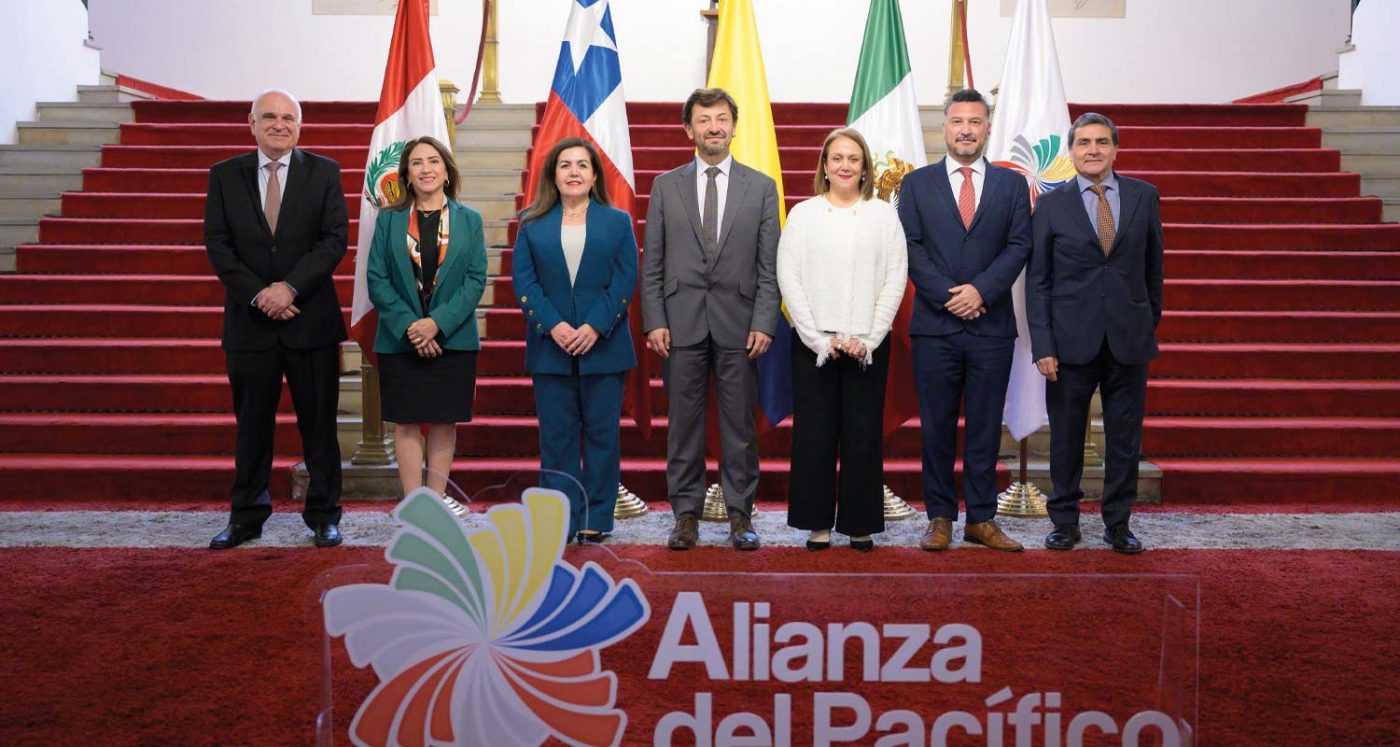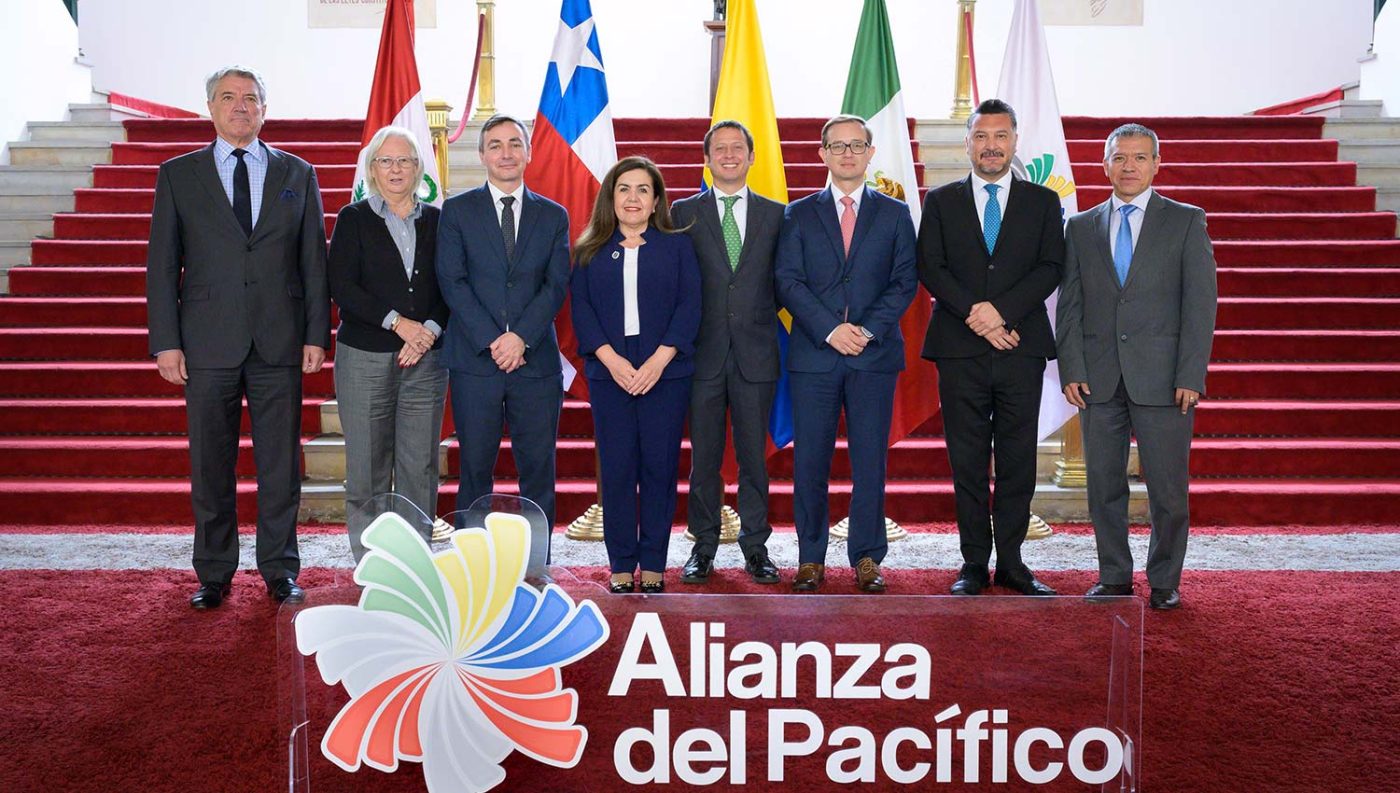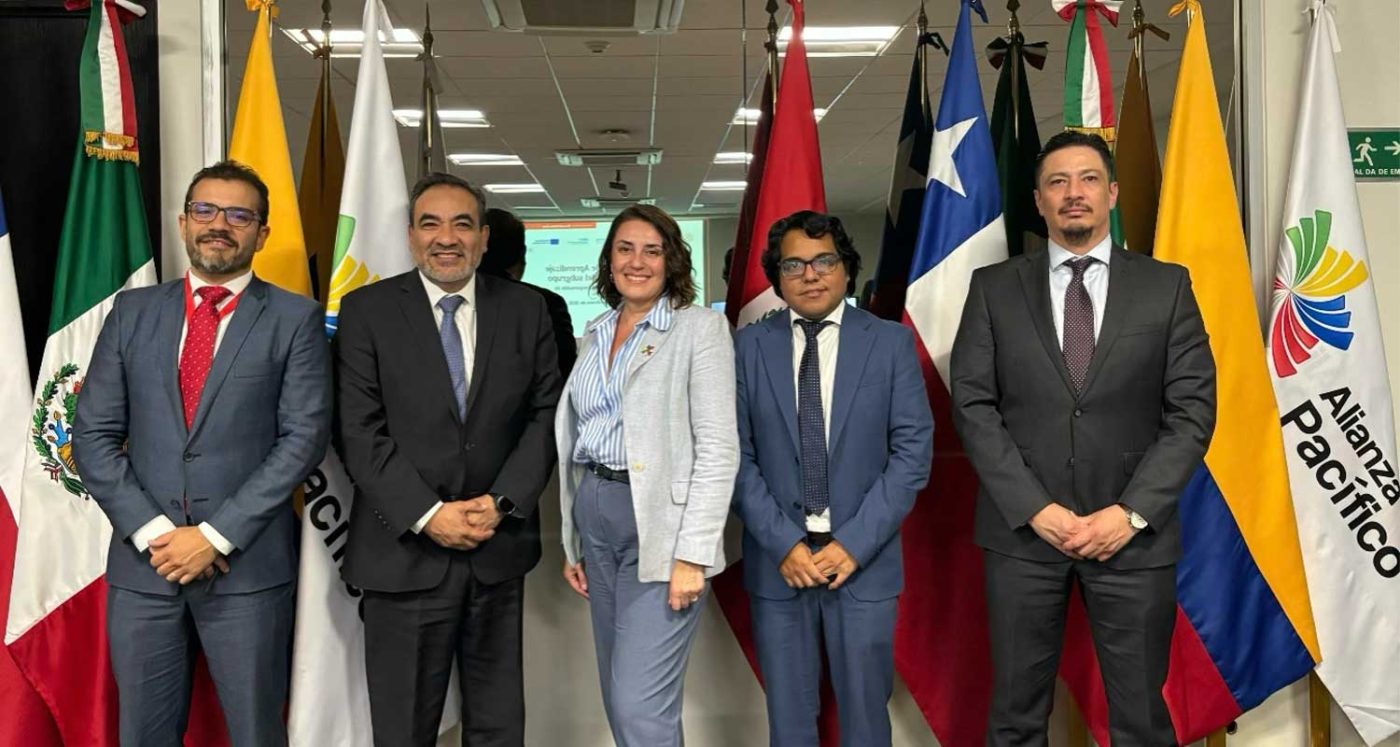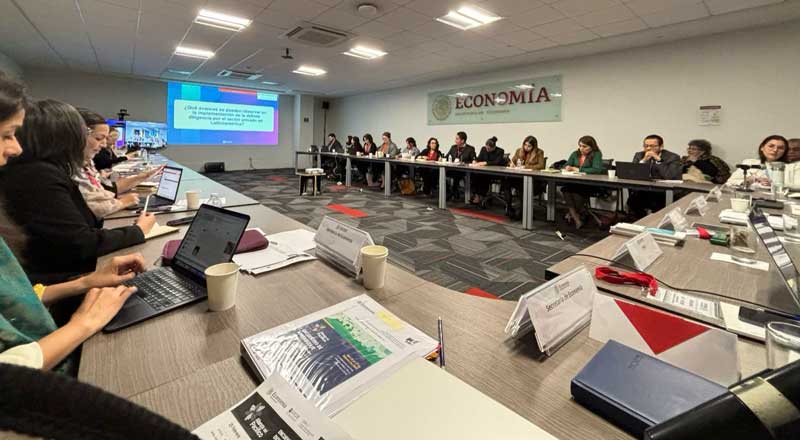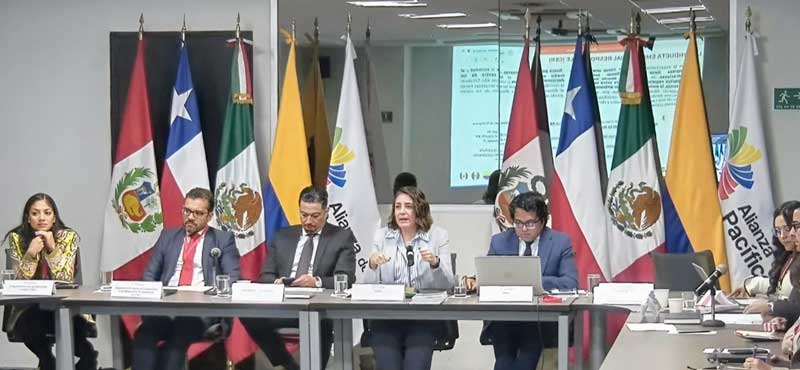
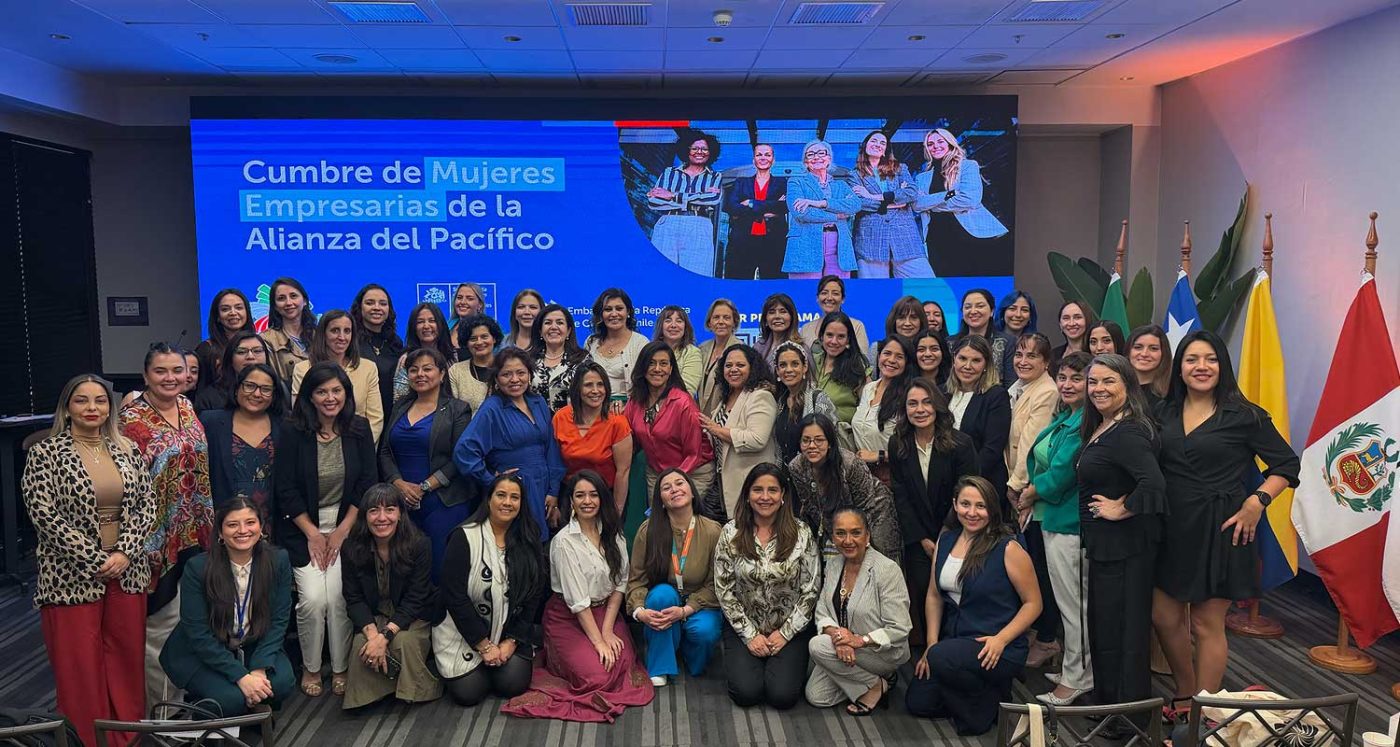
The event aimed to highlight existing public policies and private sector initiatives, raise awareness of good practices and the barriers faced by women entrepreneurs in scaling up and internationalizing their businesses, with a view to strengthening a regional agenda that promotes the full participation of women in trade and the economy.
November 28, 2025.- This morning, in Santiago, Chile, the first Summit of Women Entrepreneurs of the Pacific Alliance was held, a meeting that seeks to strengthen public-private coordination in trade and gender.
The Women Entrepreneurs Summit, organized by the Pacific Alliance’s Gender Technical Group (GTG), SUBREI’s Inclusive Trade Department, and the Korean Embassy in Chile, with the support of ProChile, the Chilean-Colombian Chamber of Commerce, the Chilean-Mexican Chamber of Integration, and the Chilean-Peruvian Chamber of Commerce—aimed to highlight existing public policies and private sector initiatives, raise awareness of good practices and the barriers faced by women entrepreneurs in scaling up and internationalizing their businesses, with a view to strengthening a regional agenda that promotes the full participation of women in trade and the economy.
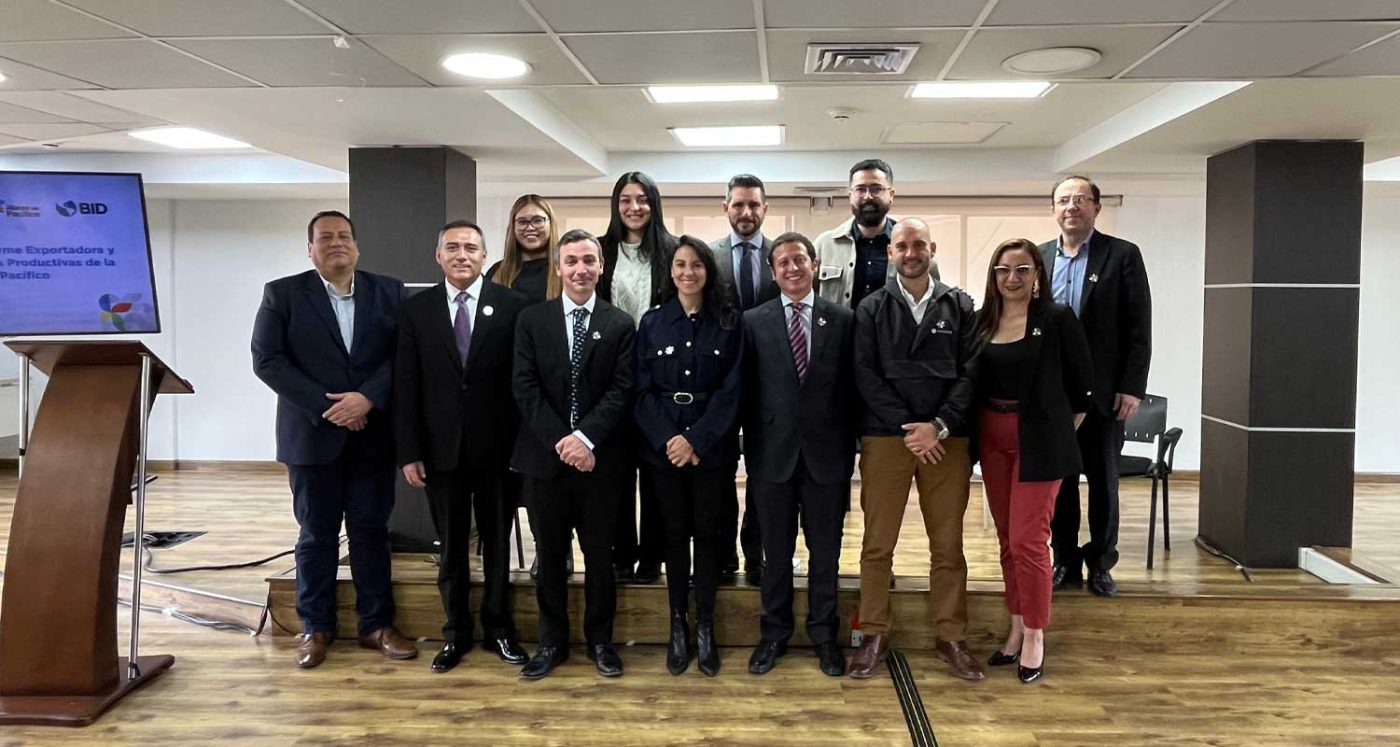
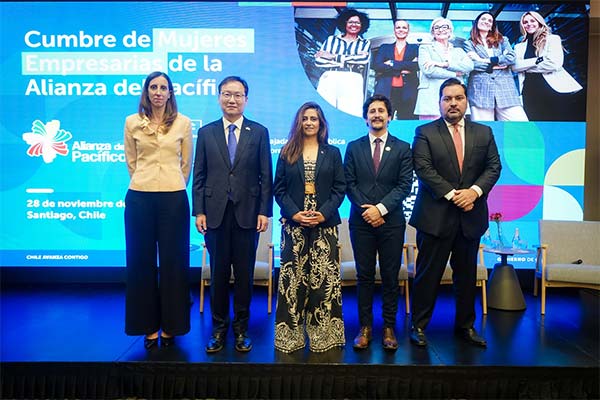 The event was attended by Chile’s Undersecretary of International Economic Relations (SUBREI), Claudia Sanhueza; Colombia’s ambassador to Chile, Sebastián Guanumen Parra, representing Colombia’s Pro Tempore Presidency; Hak-Jae Kim, the Ambassador of the Republic of Korea to Chile; representatives of trade promotion agencies from Pacific Alliance countries, binational chambers of commerce, women entrepreneurs, and members of the Gender Technical Group.
Undersecretary Sanhueza noted that “Chile is coordinating this group during 2025 and has focused its efforts on strengthening ties with the private sector, promoting business networks, and highlighting the challenges and opportunities faced by women in the economic and commercial spheres.”
Panels and networking
Following the inauguration, the first panel discussion, entitled “Regional advances in women’s economic empowerment through trade,” took place, moderated by Marcela Otero, Director General of Multilateral Economic Affairs at SUBREI, where representatives from Trade of Mexico, Peru, and Korea presented various initiatives being developed by their governments to empower women economically and increase their participation in global trade.
Next, María Pilar Jiménez Álvarez, head of the Gender and Sustainable Exports Department at ProChile, led the panel “Inspiring voices: female leadership in action,” where businesswomen from the four AP countries shared their experiences of developing their businesses in Chile, their main challenges, and how innovation has supported the expansion of their companies.
In the final panel, “Innovating by connecting ecosystems: how chambers of commerce are building bridges between countries and women entrepreneurs to innovate and scale their businesses,” moderated by María Jesús Prieto, head of SUBREI’s Inclusive Trade Department, representatives from the Chilean-Colombian, Chilean-Peruvian, and Chilean-Mexican Chambers of Commerce referred to the activities they carry out in their countries and how they can become channels of support, networks, and local knowledge transfer for businesswomen and entrepreneurs in the four countries.
In addition, during the event, attendees were able to talk and connect with each other and with authorities in a special networking space, where they could share their projects and initiatives.