Pacific Alliance Promotes Shared Care Responsibilities to Advance Women’s Economic Autonomy in Latin America

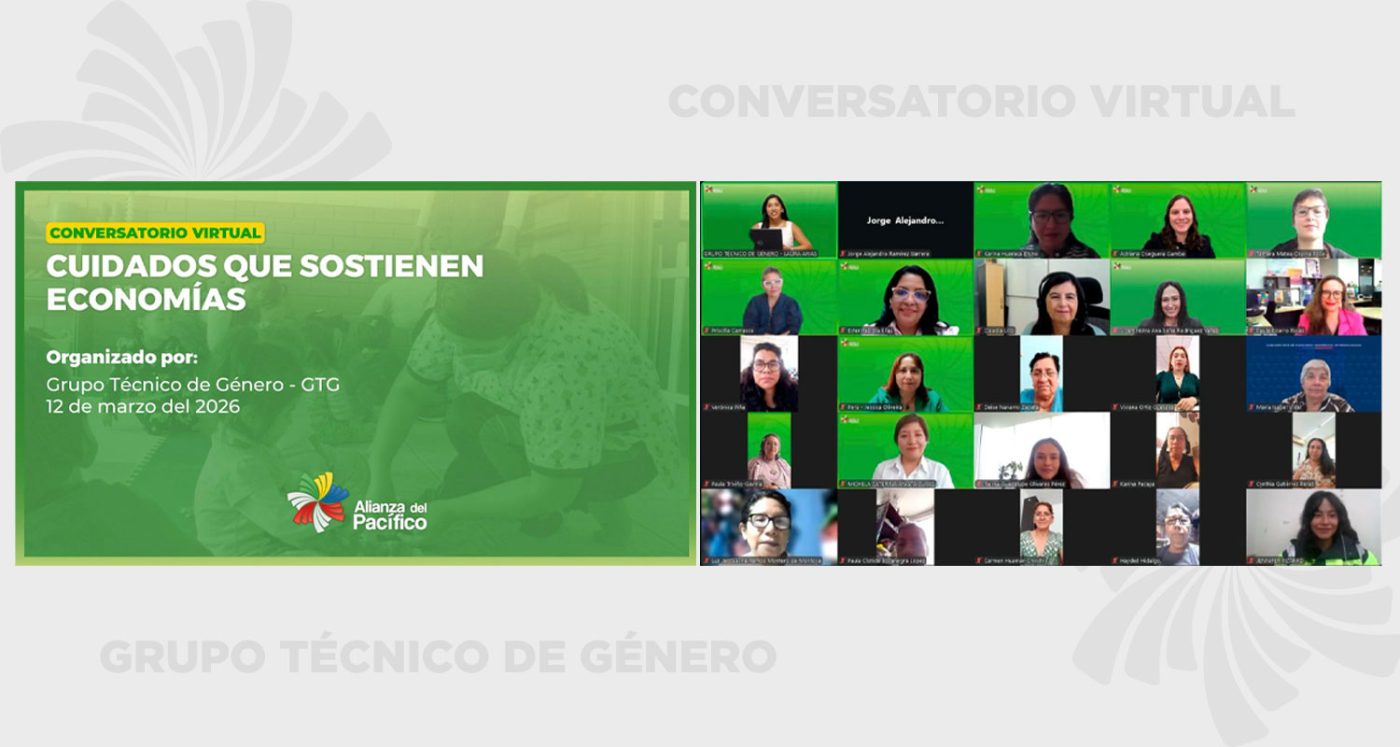
March 17, 2026.- On the occasion of International Women’s Day, the Pacific Alliance Gender Technical Group held the virtual forum “Care That Sustains Economies: From Invisible Work to Shared Responsibility for Women’s Economic Autonomy in the Pacific Alliance.” The forum highlighted the unpaid domestic and care work performed predominantly by women and promoted a more equitable distribution of this work as a condition for strengthening women’s economic autonomy.

The event, livestreamed on March 12 via Zoom, highlighted experiences and best practices that foster greater shared responsibility among the state, the private sector, families, and civil society.

Opening remarks were delivered by Támara Matea Ospina Posse, Vice Minister for Women at Colombia’s Ministry of Equality and Equity, representing the Gender Technical Group’s coordination, and by Ana Sofía Rodríguez Yáñez, Vice Minister for Women at Peru’s Ministry of Women and Vulnerable Populations. Both speakers underscored the role of Latin American women in driving socioeconomic growth through shared care responsibilities.

A regional analysis of progress and challenges on the care agenda in Latin America was presented by Karina Huaraca, Peru Chapter Coordinator of UN Women’s “Transforming Care Economies” project, who stressed the need to coordinate efforts among multiple stakeholders to move toward more comprehensive and functional care systems.

The creation of a National Care System to advance women’s economic autonomy was the central focus among government officials, while private sector representatives from WOM Chile, Granabastos Colombia, and CPS Peru demonstrated their commitment to shared care responsibilities through initiatives such as parental leave, flexible scheduling, family support programs, and workplace training.

The forum reaffirmed the commitment of the Pacific Alliance to women’s economic autonomy and to joint action that contributes to recognizing and redistributing care work, in pursuit of more inclusive and sustainable economies in the region.

The Pacific Alliance thanks the following government officials and company representatives for their participation: Priscilla Carrasco Pizarro (Chile), Paula Triviño Gaviria (Colombia), Adriana Oseguera Gamba (Mexico), and Jessica Oliveira Bardales (Peru); and Francisca Zañartu Neculhueque (WOM Chile), Ester Fabiola Elías Castro (Granabastos, Colombia), and Michela Ayasta Cuba (CPS Peru).
First Summit of Women Entrepreneurs of the Pacific Alliance is held

The event aimed to highlight existing public policies and private sector initiatives, raise awareness of good practices and the barriers faced by women entrepreneurs in scaling up and internationalizing their businesses, with a view to strengthening a regional agenda that promotes the full participation of women in trade and the economy.

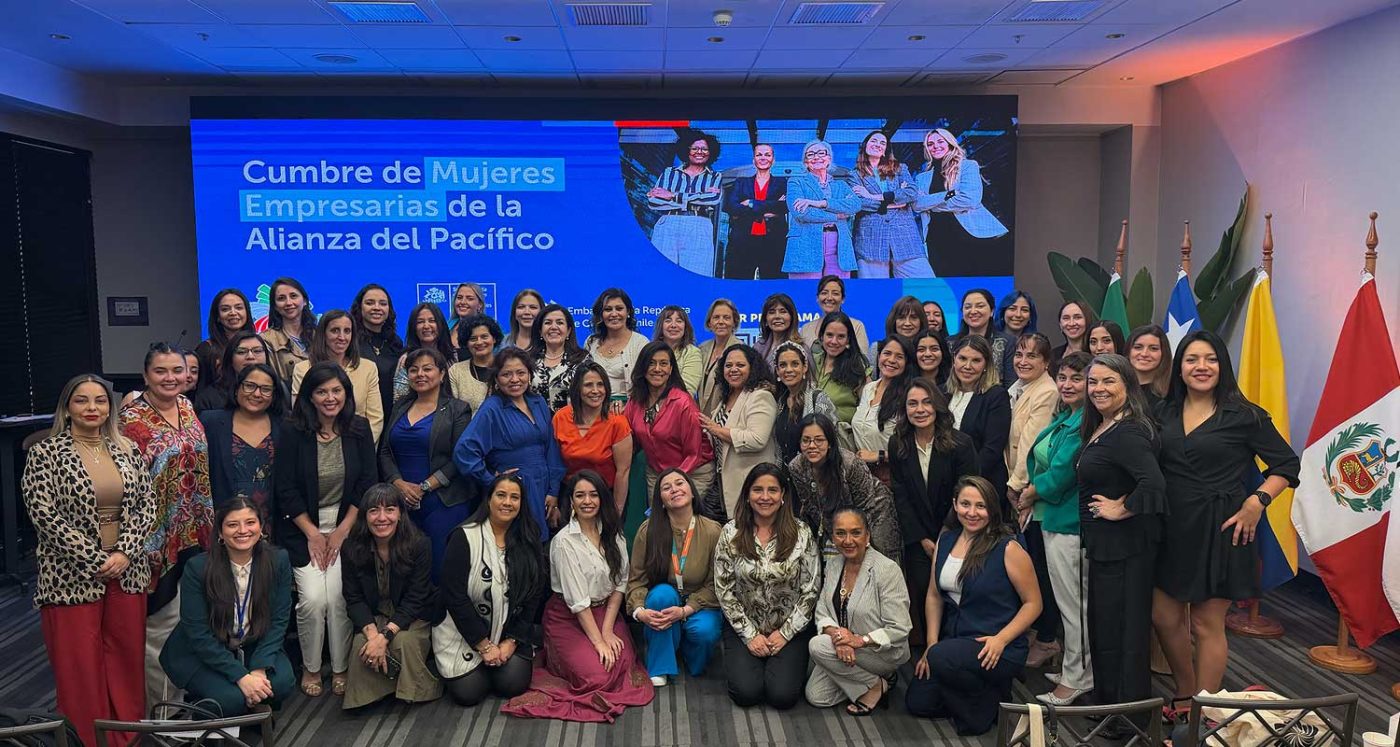
November 28, 2025.- This morning, in Santiago, Chile, the first Summit of Women Entrepreneurs of the Pacific Alliance was held, a meeting that seeks to strengthen public-private coordination in trade and gender.

The Women Entrepreneurs Summit, organized by the Pacific Alliance’s Gender Technical Group (GTG), SUBREI’s Inclusive Trade Department, and the Korean Embassy in Chile, with the support of ProChile, the Chilean-Colombian Chamber of Commerce, the Chilean-Mexican Chamber of Integration, and the Chilean-Peruvian Chamber of Commerce—aimed to highlight existing public policies and private sector initiatives, raise awareness of good practices and the barriers faced by women entrepreneurs in scaling up and internationalizing their businesses, with a view to strengthening a regional agenda that promotes the full participation of women in trade and the economy.

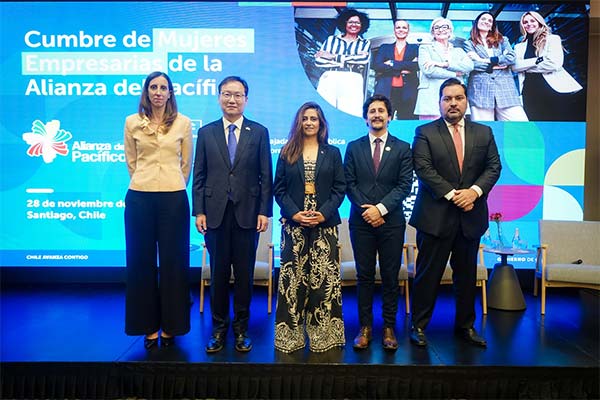
The event was attended by Chile’s Undersecretary of International Economic Relations (SUBREI), Claudia Sanhueza; Colombia’s ambassador to Chile, Sebastián Guanumen Parra, representing Colombia’s Pro Tempore Presidency; Hak-Jae Kim, the Ambassador of the Republic of Korea to Chile; representatives of trade promotion agencies from Pacific Alliance countries, binational chambers of commerce, women entrepreneurs, and members of the Gender Technical Group.
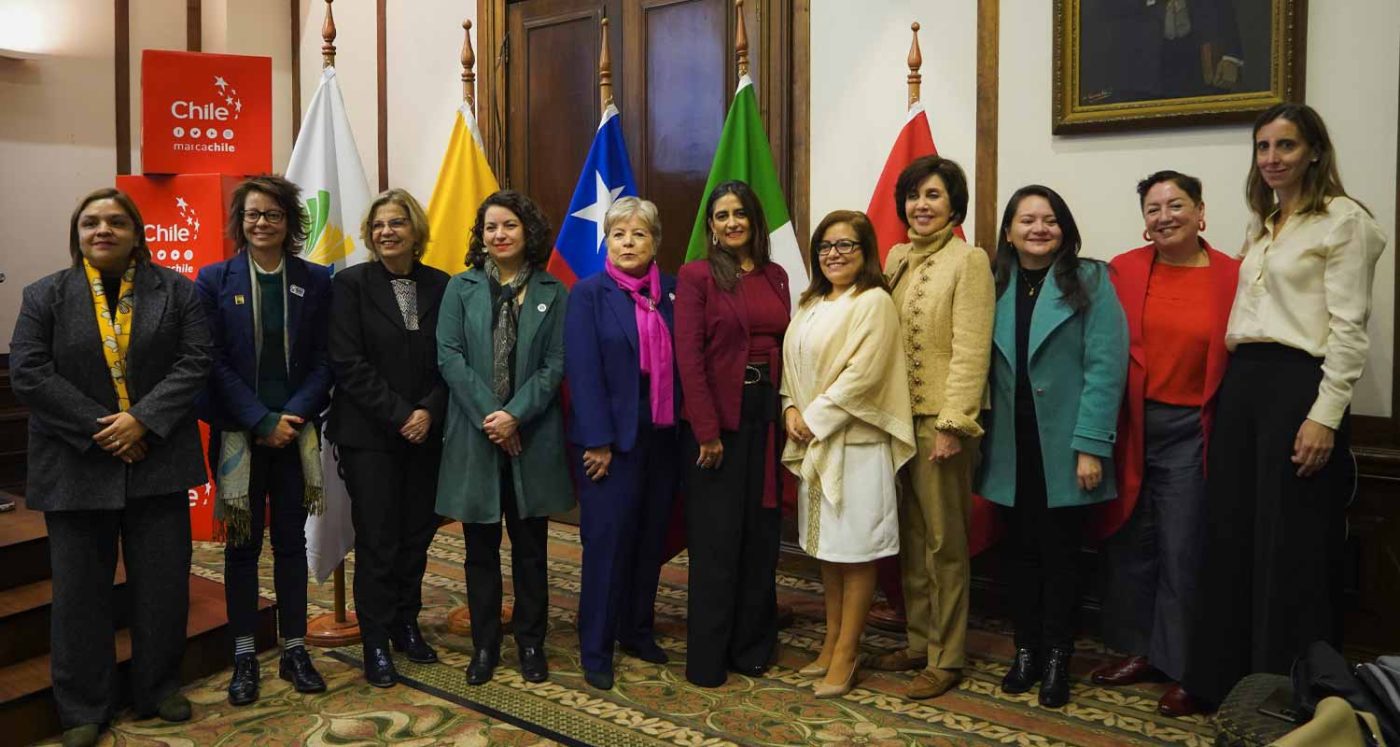
Undersecretary Sanhueza noted that “Chile is coordinating this group during 2025 and has focused its efforts on strengthening ties with the private sector, promoting business networks, and highlighting the challenges and opportunities faced by women in the economic and commercial spheres.”

Panels and networking

Following the inauguration, the first panel discussion, entitled “Regional advances in women’s economic empowerment through trade,” took place, moderated by Marcela Otero, Director General of Multilateral Economic Affairs at SUBREI, where representatives from Trade of Mexico, Peru, and Korea presented various initiatives being developed by their governments to empower women economically and increase their participation in global trade.

Next, María Pilar Jiménez Álvarez, head of the Gender and Sustainable Exports Department at ProChile, led the panel “Inspiring voices: female leadership in action,” where businesswomen from the four AP countries shared their experiences of developing their businesses in Chile, their main challenges, and how innovation has supported the expansion of their companies.

In the final panel, “Innovating by connecting ecosystems: how chambers of commerce are building bridges between countries and women entrepreneurs to innovate and scale their businesses,” moderated by María Jesús Prieto, head of SUBREI’s Inclusive Trade Department, representatives from the Chilean-Colombian, Chilean-Peruvian, and Chilean-Mexican Chambers of Commerce referred to the activities they carry out in their countries and how they can become channels of support, networks, and local knowledge transfer for businesswomen and entrepreneurs in the four countries.

In addition, during the event, attendees were able to talk and connect with each other and with authorities in a special networking space, where they could share their projects and initiatives.

Pacific Alliance countries reinforce agenda for women’s leadership and economic empowerment

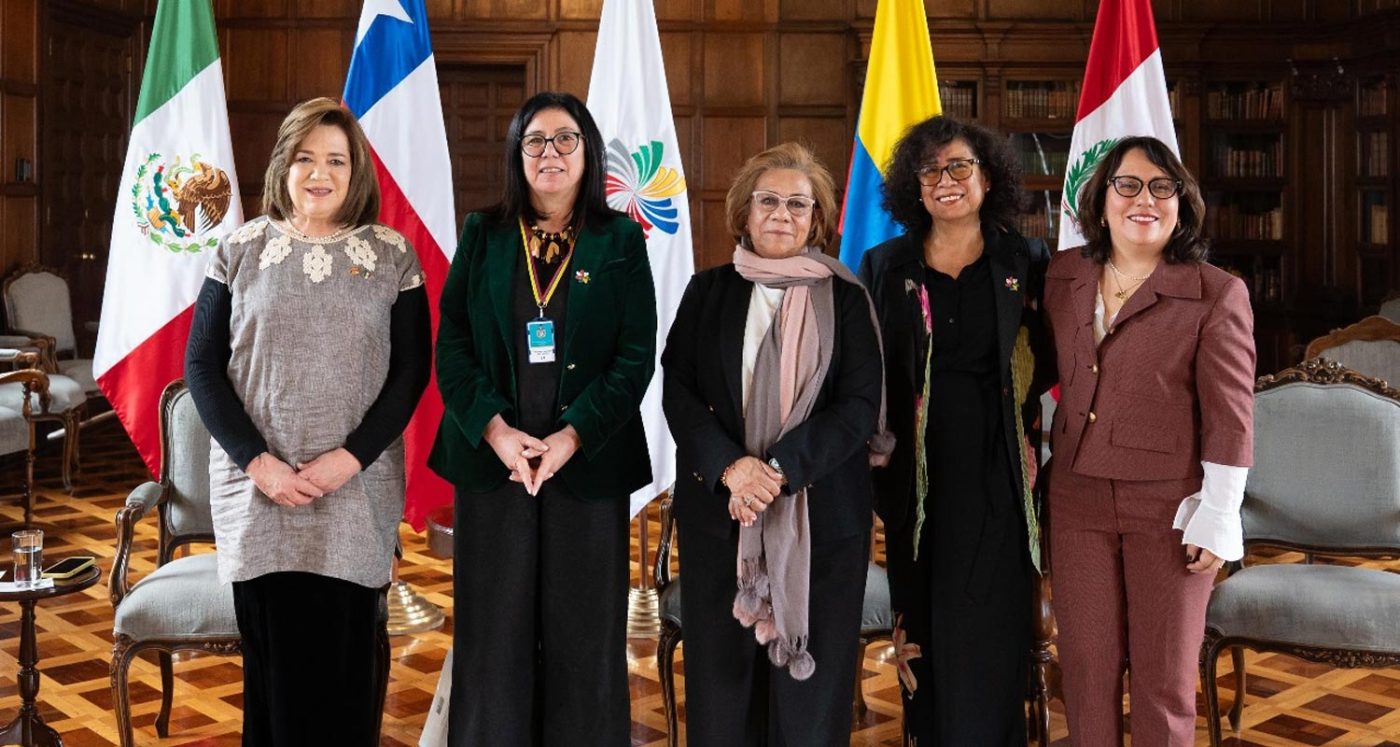
The Third Ministerial Meeting on Women’s Empowerment and Economic Autonomy in the Pacific Alliance was held at the headquarters of the Colombian Ministry of Foreign Affairs, in conjunction with the Ministry of Equality and Equity and the Ministry of Commerce, Industry, and Tourism of that country, within the framework of Colombia’s Pro Tempore Presidency of the Pacific Alliance for 2025.

September 29, 2025. The event provided an opportunity to exchange regional perspectives on concrete work for public policies and programs aimed at the economic empowerment of women in the four member countries: Chile, Colombia, Mexico, and Peru.

The meeting was attended by Chile’s Undersecretary for Women and Gender Equality, Claudia Donaire Gaete; Colombia’s Deputy Minister for Women, Olga Lucía Fuentes; and Peru’s Director General for the Promotion and Development of Women’s Economic Autonomy, Shirley Mozo Mercado, who led an inter-institutional dialogue and exchange based on successful experiences and focused on defining priorities and actions to be implemented, in light of three thematic areas:

  • Women’s participation in the labor market in the region, for their inclusion in the labor market and entrepreneurship.
  • Women’s leadership and participation in decision-making.
  • Training in STEM (Science, Technology, Engineering, and Mathematics) as a pathway to their integration into industry.

It is worth noting the attendance of representatives from CAF – Development Bank of Latin America and the Caribbean, Inter-American Development Bank (IDB), UN Women, the Presidential Agency for International Cooperation (APC-Colombia), the Free and Productive Women’s Fund of the Vice Presidency of Colombia, and the National Association of Entrepreneurs of Colombia (ANDI), representing the Business Council of the Pacific Alliance. This participation strengthened the discussion on the gender perspective in the mechanism and, in turn, allowed for the sharing of progress in the implementation of the Roadmap for the Autonomy and Economic Empowerment of Women in the Pacific Alliance (HRAEM).

The discussion also focused on the results of the virtual sectoral pre-forums held prior to the Third Ministerial Meeting, which involved the public sector, civil society, and the private sector. Through guiding questions on issues such as the gender gap, access, leadership, and participation, diverse and participatory inputs were gathered from representatives of each sector, strengthening the multisectoral dialogue ahead of the in-person meeting.

“May this meeting be an opportunity to agree on concrete and joint actions that empower women and, with them, our economies and our societies,” concluded Colombia’s Minister of Foreign Affairs, Rosa Yolanda Villavicencio.

The third edition of the meeting culminated in ministerial support for the joint agenda proposed by the Technical Gender Group to be presented to the Business Council of the Pacific Alliance, so that common and coordinated frameworks for action can be established to promote women’s empowerment and economic autonomy with the active involvement of the private sector.

Communications PPT 2025 Pacific Alliance

Pacific Alliance organizes ministerial meeting on empowerment and economic autonomy of women

August 7, 2024.- The “II Ministerial Meeting on Empowerment and Economic Autonomy of Women in the Pacific Alliance” was held today in Santiago, Chile, organized by the pro tempore presidency Chile 2024 of the bloc, with the collaboration of the Development Bank of Latin America and the Caribbean – CAF. The activity brought together authorities and representatives from Chile, Colombia, Mexico and Peru.

The opening was attended by the Secretary of Foreign Affairs of Mexico, Alicia Bárcena, who highlighted the efforts made by her country in this area, and the Undersecretary of International Economic Relations of Chile, Claudia Sanhueza, who reaffirmed the importance of sharing good practices among the countries of the region to eliminate the barriers that limit the economic autonomy of women, which is a common challenge in the Pacific Alliance.

This was followed by the panel “Prioritizing the care system for gender equality and sustainable development”, with the participation of Javiera Toro, Minister of Social Development and Family of Chile; Diana María Parra, Coordinator of Feminist Foreign Policy of Colombia; Nadine Gasman, President of the National Women’s Institute of Mexico; and Elba Espinoza, Vice-Minister of Women’s Affairs of Peru. The panel was moderated by CAF’s Gender specialist, Luciana Fainstain.

During the event, the PA authorities gave an account of the different initiatives that are being implemented in their respective countries to address the issue of care and highlighted the main challenges they face in strengthening this system, which has been addressed in a cross-cutting manner, especially in the countries represented in the Pacific Alliance. They also referred to how these policies or initiatives on care contribute to reducing the gap in women’s participation in the economy by favoring their autonomy.

Communications PPT 2024 Pacific Alliance

Webinar “Mainstreaming Gender Equality: Exchange of Good Practices between the Association of Southeast Asian Nations and the Pacific Alliance”

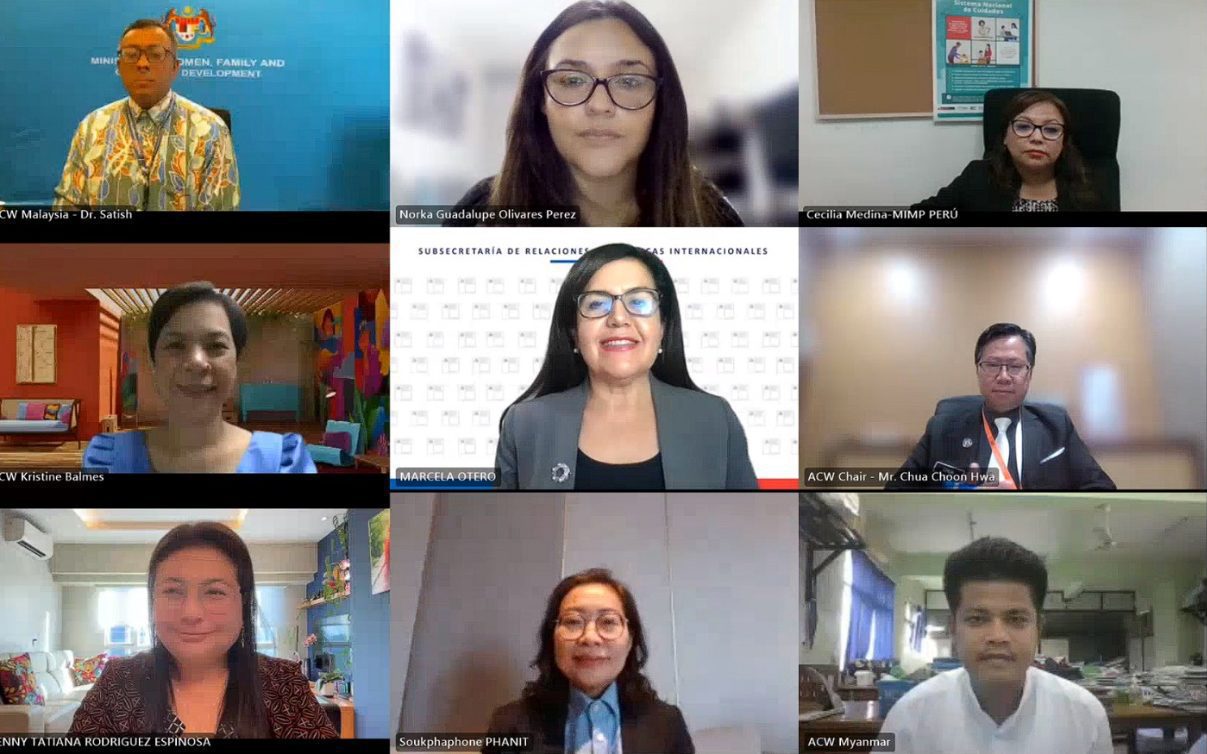
June 26, 2024.- Yesterday, the webinar “Mainstreaming Gender Equality: Exchange of Good Practices between the Association of Southeast Asian Nations and the Pacific Alliance” was held, organized by the Gender Technical Group (GTG), under the leadership of Mexico, in the framework of the ASEAN-Pacific Alliance Work Plan 2021-2025 and the Roadmap for the Autonomy and Economic Empowerment of Women of the Pacific Alliance

This activity aimed to address good practices, commitments, initiatives and strategies to promote gender equality in the Association of Southeast Asian Nations (ASEAN) and the Pacific Alliance (PA) in order to identify challenges and common efforts. More than 90 representatives from technical groups, committees and subcommittees of the PA, ASEAN and the embassies of the four member countries of the Alliance participated in the event.

The inaugural part of the event was attended by the Deputy Secretary General of the Ministry of Women, Family and Community Development of Malaysia, Chua Choon Hwa; the ASEAN Deputy Secretary General for the Socio-Cultural Community, Ekkaphab Phanthavong; Marcela Otero Fuentes, General Director of Multilateral Economic Affairs of Chile’s Undersecretariat of International Economic Relations, representing the Pro Tempore Presidency of the Pacific Alliance; and Elba Espinoza, Vice Minister of Women’s Affairs of Peru, as coordinator of the PA’s Technical Group on Gender.

A representative of ASEAN and the PA presented their progress, good practices and experiences on the topics addressed during the three segments of the webinar: “The importance of sex-disaggregated data to boost women’s economic empowerment”; “An agenda for gender mainstreaming”; and “Inclusive trade, main regional strategies”.

Throughout its three interventions, ASEAN highlighted three main good practices: ASEAN Gender Outlook (2022), a study that provides statistical evidence to promote investment in women and girls in vulnerable situations to achieve the Sustainable Development Goals (SDGs); the ASEAN Gender Mainstreaming Strategic Framework (AGMSF) 2022, which seeks to promote gender mainstreaming in the work of ASEAN, as well as in ASEAN member countries. Finally, the ASEAN Comprehensive Framework on Care Economy (2021) and the Declaration on Building a More Sustainable, Inclusive and Resilient Future (2022) as experiences for the promotion of women’s entrepreneurship.

For its part, the Pacific Alliance highlighted official documents such as the Presidential Declaration on Gender Equality, the Roadmap for Women’s Autonomy and Economic Empowerment, as well as some studies and initiatives that drive the agenda such as the diagnostics “Radiography of the participation of PA women entrepreneurs in foreign trade in the PA (2019)”, “Annex: Impact of COVID-19 on the operations of women-led enterprises in the PA (2021)”, the Survey for Gender Mainstreaming in PA Technical Groups and the Community of Women Entrepreneurs launched in collaboration with the Inter-American Development Bank.

Gender equality and women’s empowerment is a priority in the agendas of the Pacific Alliance and ASEAN, therefore “cooperation with our allies is crucial, especially in identifying thematic areas where we can work together […] we will continue to advance the gender agenda as a strategy to promote substantive equality”, said Sandra Mendoza Durán, Coordinator of International Affairs of the National Institute of Women of Mexico during the closing remarks of the webinar.

With a webinar on the forms of measurement disaggregated by sex, the gender focus training of the technical groups and committees of the Pacific Alliance comes to an end

On Wednesday, June 9, the last day of training on gender approach was held for the members of the technical groups, committees and working groups of the Pacific Alliance (PA), organized by the Technical Group on Gender of the PA with support from the Inter-American Development Bank (IDB).

The webinar “Forms of measurement disaggregated by sex”, which was attended by more than 100 participants, was led by Alicia Frohmann, an ECLAC consultant with a long career in international trade and in academic, government and international organizations. She also directs the global project Gender, Social Inclusion and Cooperation Trade of the United Kingdom. As an academic, she is a professor at the Institute of International Studies of the University of Chile and the Center for Latin America of the University of Heidelberg.

At the event, the importance of integrating a gender approach in the analysis and evaluation of any initiative through the use of sex-disaggregated data was highlighted. Similarly, developing an intersectional and multidimensional analysis is key to identify and understand the situation of women in any scenario. Finally, the speaker emphasized the great opportunity that the technical groups, committees and subcommittees of the Pacific Alliance have to create spaces for sharing experiences, strengths and weaknesses in the collection and use of sex-disaggregated data in each of their countries.

These three days of training also addressed issues such as the incorporation of gender approach – in a transversal way – in the work of the groups and the use of inclusive language, and the development of projects with this approach, all this in order to achieve what was established in 2015 through the Declaration of Paracas to promote gender equality and mainstream the gender perspective in the various initiatives and actions of the Pacific Alliance.

See the full presentation here.

Virtual Meeting of Women Entrepreneurs of the Pacific Alliance

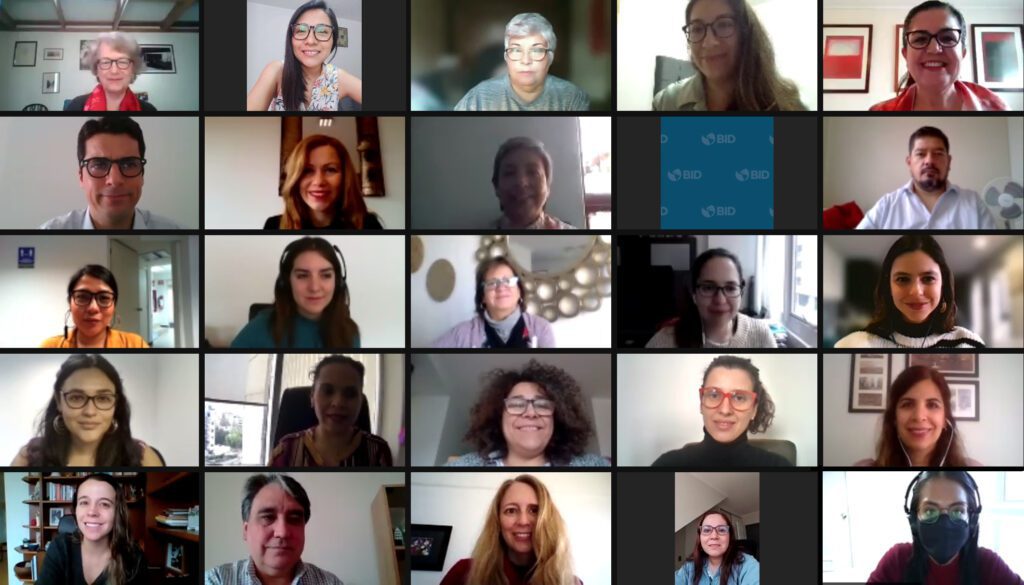
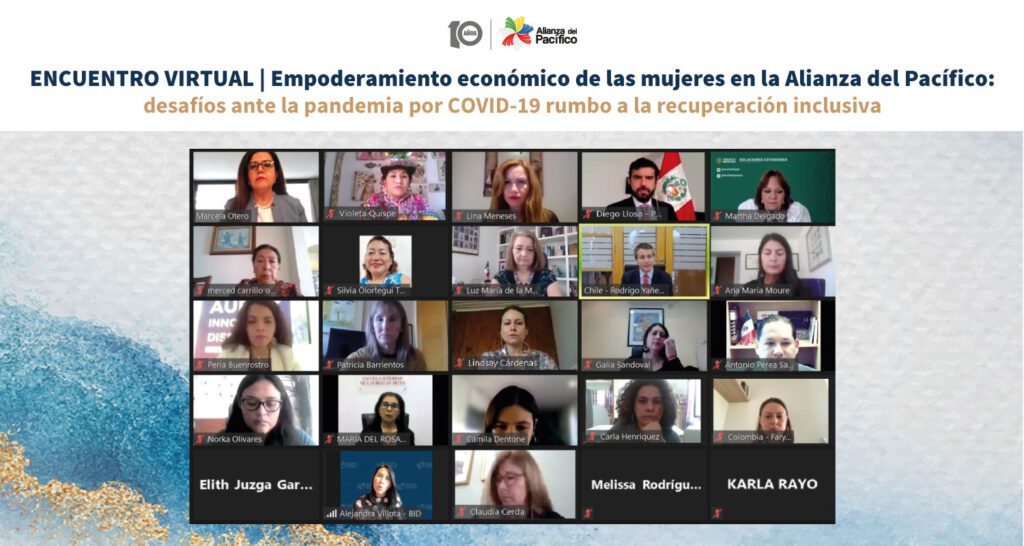
April 28, 2021. – On the occasion of the 10th Anniversary of the Pacific Alliance (PA) and in follow-up to the recently adopted Presidential Declaration of the Pacific Alliance on Gender Equality[1], and its Roadmap for the autonomy and economic empowerment of women in the PA, the Gender Technical Group (GTG) with the support of the Inter-American Development Bank (IDB), held this April 28, 2021, the virtual meeting of women entrepreneurs, “Economic empowerment of women in the Pacific Alliance: Challenges in the face of the covid-19 pandemic towards inclusive recovery”.

This meeting was held in order to make visible the importance of identifying the gaps and the effects that the pandemic caused by COVID-19 has generated in women entrepreneurs in the four countries of the bloc, recognizing that it is crucial that the States contemplate an inclusive recovery without leaving anyone behind. The event opened a space for discussion and exchange for women entrepreneurs of the Pacific Alliance with a view to identifying and analyzing the main challenges they face in achieving autonomy and empowerment, as well as developing their export potential, especially under the crisis scenario.

The meeting was attended by more than 200 people, including women entrepreneurs, representatives of the public sector, international organizations, civil society organizations and academia from Chile, Colombia, Mexico, Peru, as well as Bolivia, Canada, Costa Rica, Ecuador, France, Greece, Guatemala, Nicaragua, Panama, Portugal, Puerto Rico, Sweden, Switzerland and Uruguay.

The inauguration of the meeting was attended by high-level authorities from the Pacific Alliance countries: the Undersecretary of International Economic Relations of Chile, Rodrigo Yáñez, the Undersecretary for Multilateral Affairs and Human Rights of Mexico, Martha Delgado Peralta, and the Vice Minister of Foreign Trade of Peru, Diego Llosa Velásquez, as well as, through a video message, by Vice Minister of Foreign Trade of Colombia, Laura Valdivieso Jiménez.

The opening to the panel of women entrepreneurs was moderated by Luz María de la Mora Sánchez, Undersecretary of Foreign Trade of Mexico and headed by Alejandra Villota, Senior Specialist of the Integration and Trade Sector of the IDB, who presented the main findings of the study Impact of COVID-19 on the operations of women-led businesses in the Pacific Alliance, as well as a series of recommendations for the prioritization of tools and policies to support the reactivation of companies led by women in the region.

The study was the product of collaborative work between the IDB and the governments of Chile, Colombia, Mexico and Peru through the Alliance’s Gender Technical Group. Using the ConnectAmericas for Women platform and the AP Women Entrepreneurs Community, a specialized survey was carried out to collect data that allowed to know the impact that COVID-19 and the confinement measures have had on the operation and management of companies led by and/or owned by women in the PA.

Four outstanding businesswomen from the Alliance member countries participated in the panel: Carolina Arce, Cofounder of Impactus Ventures; Roxanna Vergara, Cofounder and Commercial Director of Vendty; Perla Buenrostro, Founder of Bolder Group; and Violeta Quispe, entrepreneur of Artesanía, as well as ECLAC through the Director of the Gender Affairs Division, Ana Güezmes.

During the dialogue, the panelists shared the main obstacles, challenges, as well as strategies to face the effects of the pandemic and gender inequality from their companies. The importance of business access to technology, digitalization, financing and government support, as well as sales channels and international markets was highlighted, also the strategies that governments and the private sector must work together to reduce the differentiated impact on women and women-led businesses. ECLAC shared recommendations and key points that countries should consider to support women’s economic autonomy, taking as a reference its recent Special Report COVID-19 N⁰9: Women’s economic autonomy in sustainable recovery and with equality.

Closing remarks were given by Laura Valdivieso Jiménez, Vice Minister of Foreign Trade, Industry and Tourism of Colombia, María José Abud, Undersecretary for Women and Gender Equity of Chile, Nadine Gasman Zylbermann, President of the National Women’s Institute of Mexico, and Grecia Rojas Ortiz, Vice Minister of Women of Peru, who reiterated the support of their governments to move decisively towards the elimination of gender discrimination, through the empowerment of women and girls, as a necessary condition to achieve equitable, prosperous, peaceful and sustainable societies.

[1] https://noticias.alianzapacifico.net/download/declaracion-sobre-igualdad-de-genero/

Women from the Pacific Alliance and Mercosur train for the digital age

On the occasion, the results of a study on the characterization of women entrepreneurs and businesswomen of the Pacific Alliance, carried out in conjunction with the IDB, were also presented.

November 11, 2020. Nearly a hundred women entrepreneurs and businesswomen from the countries of the Pacific Alliance and Mercosur, participated today in the webinar “Women and International Trade: Promoting Women’s Entrepreneurship in the Digital Age”, organized by the Technical Group on Gender of the Pacific Alliance.

The activity was inaugurated by the Ministers of Foreign Affairs, Andrés Allamand, and of Women and Gender Equity, Mónica Zalaquett, from Chile. “I am convinced that supporting the social and economic empowerment of women is key to accelerating the necessary economic recovery at all levels. I firmly believe that events like today’s provide a space to share and deepen experiences of female economic empowerment through financial inclusion, digital inclusion, and labor inclusion, all of which highlight and encourage entrepreneurship from a gender perspective, which is more relevant today than ever before,” said Minister Allamand.

This activity stems from the urgent need to provide tools and accompany companies in their digital transformation process, especially those led by women, due to the persistence of the digital gender divide and the current health crisis that has made it even more visible.

“We are facing an economy that is suffering the ravages of the pandemic, and that has seen how the processes of digitalization have accelerated in the way of working and interacting. We also know that it will take longer to recover jobs and pay levels like those we used to know, and that encouraging female entrepreneurship and training women in applied technological skills is essential to accelerate sustainable progress. Women are key to the recovery of our countries,” said Minister Zalaquett.

The webinar began with the presentation of the main results of the study “Women entrepreneurs in foreign trade of the Pacific Alliance: who are they, what barriers do they face, and how can we enhance their growth and internationalization­?” by Alejandra Villota, Coordinator of ConnectAmericas for Women and Trade and Investment Specialist of the Inter-American Development Bank (IDB). This study sought to characterize women entrepreneurs in the PA, identify the main challenges they face in their commercial and export activities, and make recommendations to support the growth of their ventures and increase their participation in foreign trade.

“The study shows a clear x-ray of who the women entrepreneurs of the PA are, what are the main characteristics of their companies, and the barriers they face in their commercial and export activity. This characterization will guide the formulation of public policies and the development of activities and programs that more effectively support women entrepreneurs to grow their businesses and consolidate themselves in the dynamic engines of intraregional trade and employment recovery throughout the region,” explained Alejandra Villota.

In addition, Villota pointed out that an update of the study is being carried out, integrating the factor COVID-19 and its effect on women entrepreneurs and their business activities.

Afterwards, Marco Terán Aguilar, Digital Development Director of Fundación País Digital, made a presentation entitled “Restart your business: The power of digital transformation”, where he gave guidelines for the digital transformation that has had to be accelerated due to the pandemic and also to rethink organizations and make positive, sustainable and lasting changes.

The webinar audience was then directed to participate in four workshops, where participants were able to receive more detailed information on topics such as “Digital Monetization Models” (Ximena Jaramillo); “Boosting my business through the Experience #DigitalizationInclusiva” (Jennifer Fernandez); “Digital Transformation and Change Management” (Patricia Barrientos); and “Are people happy when you arrive, or when you leave? Post-Pandemic Leadership Challenges” (Carolina Angarita Barrientos).

PACIFIC ALLIANCE PPT COMMUNICATIONS