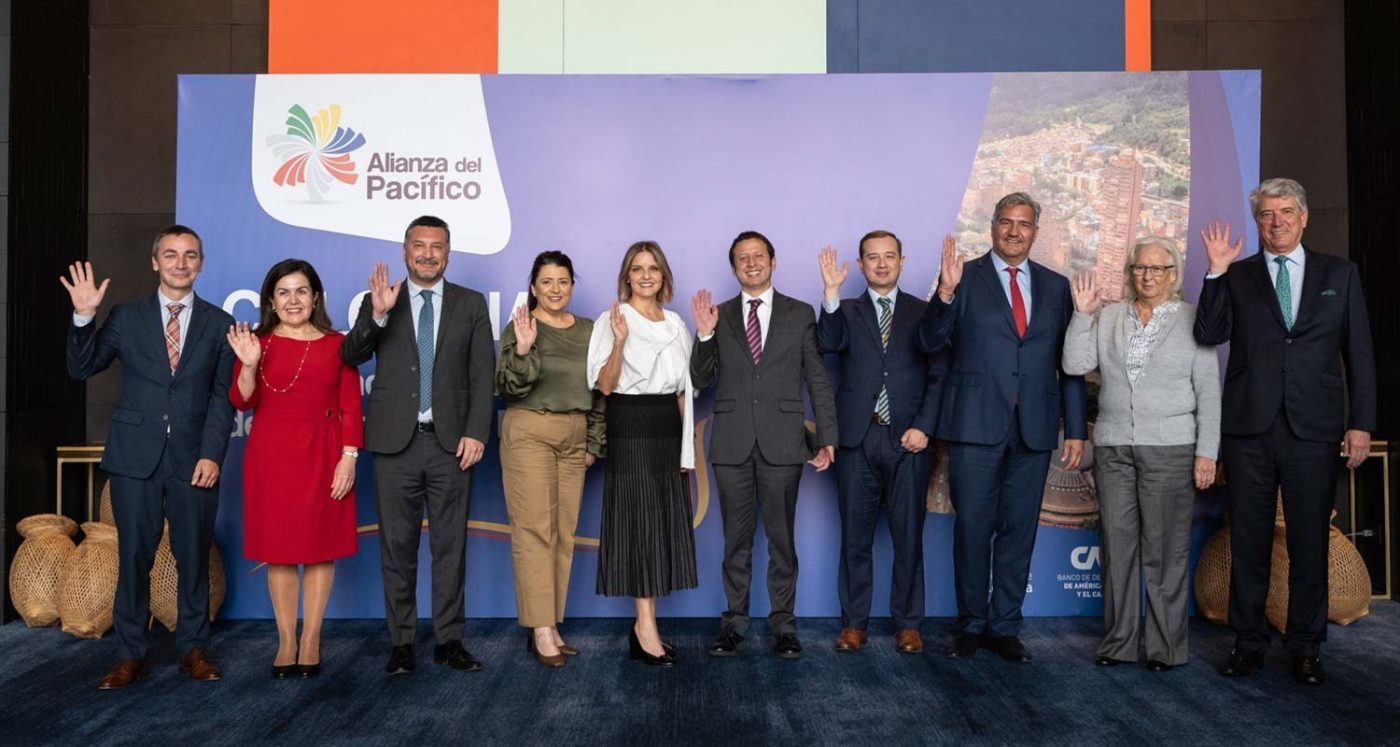
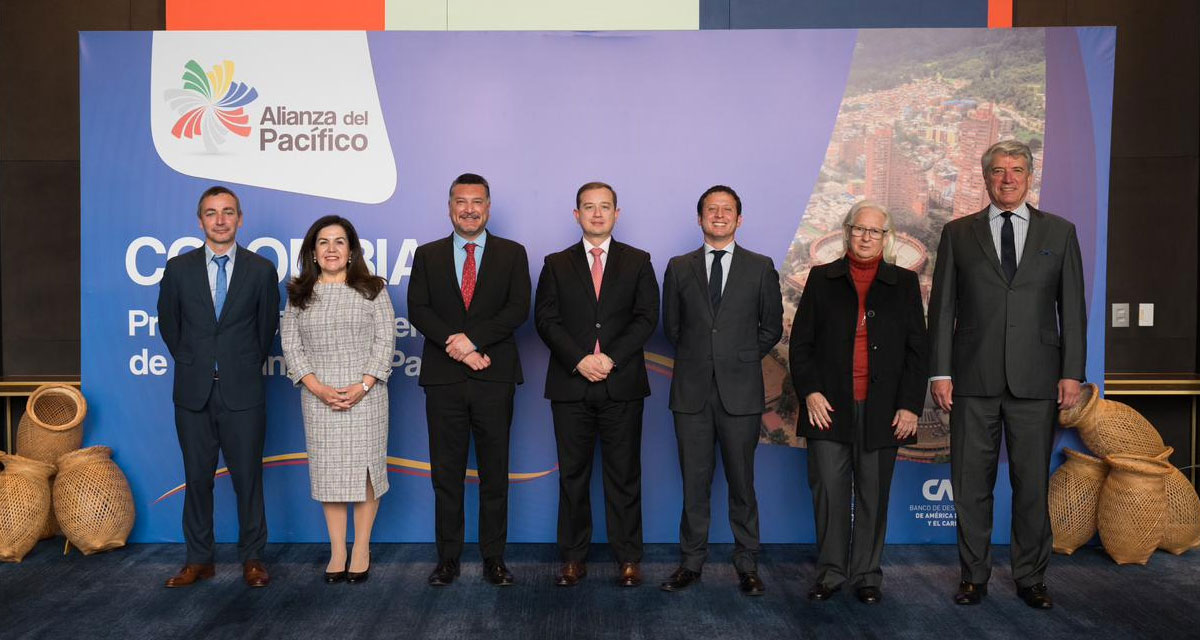
National coordinators of the Pacific Alliance meet to discuss the priorities that will guide the mechanism’s work

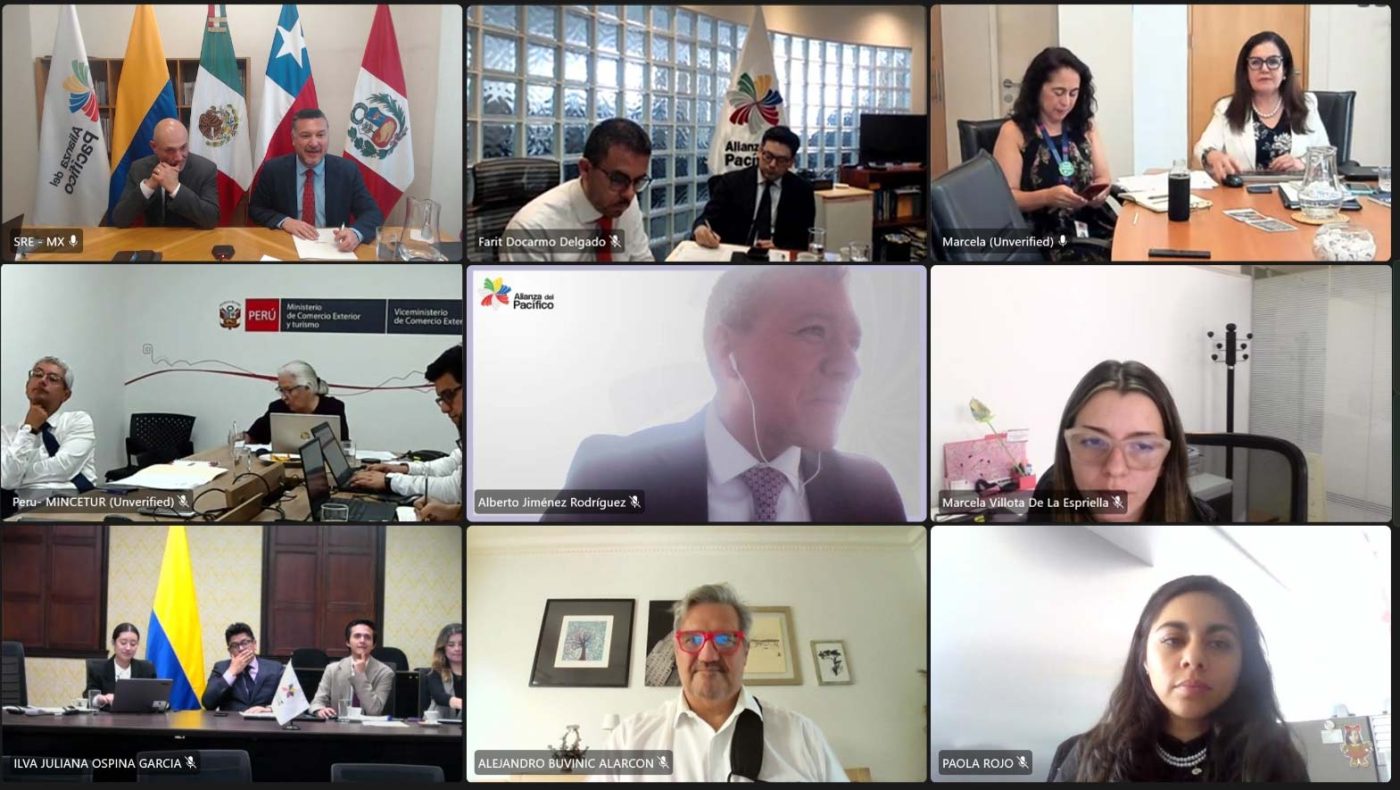
26 February 2026.- The first Meeting of National Coordinators of the Pacific Alliance was held virtually today during Mexico’s Pro Tempore Presidency.

During the meeting, the 2026 calendar of activities and the priorities that will guide the mechanism’s work throughout the year were presented.

The activity was attended by the National Coordinators of Chile, Colombia, and Peru, as well as their respective Mexican counterparts represented by the Ministry of Foreign Affairs, the Ministry of Economy, and the Ministry of Finance and Public Credit.

COMMUNICATIONS PRO TEMPORE PRESIDENCY

Tenth In-Person Meeting of the Technical Subgroup on Measurement, Reporting and Verification (SGT-MRV) of the Pacific Alliance

February 24-26, 2026.- Representatives from the Pacific Alliance countries gathered in Bogotá, Colombia, from February 24 to 26, 2026, for the tenth in-person meeting of the Technical Subgroup on Measurement, Reporting and Verification (SGT-MRV). Held under the theme ‘From Technical Cooperation to Regional Integration in MRV,’ the meeting marked a milestone for the Subgroup as it concluded the second phase of the Canadian Government’s support program, delivered through Environment and Climate Change Canada (ECCC), implemented over the 2022–2026 period with technical support from Gold Standard.

The sessions were also attended by representatives from Gold Standard and the International Emissions Trading Association (IETA), along with technical experts who have accompanied the activities and pilot projects developed by the Subgroup during this period.

The opening session featured welcoming remarks from Mauricio Galván, Coordinator of the Mitigation Group within the Climate Change and Risk Management Directorate of Colombia’s Ministry of Environment and Sustainable Development (MINAMBIENTE), together with Erin Cosgrove, Head of Cooperation at the Canadian Embassy in Colombia, and Hugh Salway, Principal in Markets at Gold Standard. All three speakers underscored the importance of regional cooperation in strengthening climate transparency systems and advancing the implementation of climate commitments.

Over the first two days, the countries shared the progress of their national MRV systems and of their recently submitted Nationally Determined Contributions (NDC 3.0). They also presented the findings from the pilot and technical projects developed during this second phase, accompanied by discussion sessions aimed at deepening understanding of the results, lessons learned, and potential for regional application. Key topics included initiatives on the validation and verification of greenhouse gas emissions, the development of green taxonomies, analysis of the economic impact of carbon pricing instruments, and tools for exploring cooperation opportunities under Article 6 of the Paris Agreement.

As part of the meeting, a public event titled ‘Carbon Markets in Action: Regional Cooperation and Public-Private Opportunities in the Pacific Alliance’ brought together government representatives, technical experts, and private-sector stakeholders to analyze regional progress on carbon pricing instruments and carbon markets, as well as opportunities for private-sector participation in these mechanisms.

The third day consisted of a closed session among Pacific Alliance member countries, with the aim of evaluating the work of the SGT-MRV over the 2022–2026 cooperation cycle, identifying lessons learned, and defining priority technical directions to strengthen regional cooperation on climate transparency.

The meeting concluded with the handover of the Subgroup’s coordination from Chile’s Ministry of the Environment (MMA) to Colombia’s MINAMBIENTE for the next working period.

With this meeting, the Pacific Alliance countries reaffirmed their commitment to moving progressively from technical cooperation toward deeper regional integration on climate transparency. They recognized the SGT-MRV as a key forum for technical exchange, peer learning, and the strengthening of regional measurement, reporting, and verification systems.

Pacific Alliance Highlights Women’s Leadership in Artisanal Fisheries and Aquaculture

February 12, 2026.- The Pacific Alliance Fisheries and Aquaculture Technical Group, with the support of the Pacific Alliance Gender Technical Group, held the webinar “Women Who Inspire: Entrepreneurship and Collective Organization in Artisanal Fisheries and Aquaculture.” The event aimed to raise the visibility of women’s leadership and strengthen collective organization in the artisanal fisheries and aquaculture sector. Representatives from Chile, Peru, Mexico, and Colombia participated.

The meeting was organized by Chile as part of the work plan of the Fisheries and Aquaculture Technical Group. The initiative reaffirmed Chile’s commitment to promoting gender equality and strengthening the artisanal fisheries and aquaculture sector in the region. More than 45 women from the four Pacific Alliance member countries participated in the event and remained connected throughout the session, demonstrating strong interest and commitment to the topic.

The event provided a forum to exchange local experiences, identify shared challenges, and reinforce the region’s commitment to women’s economic autonomy in the fisheries and aquaculture sector. Participants highlighted collective organization as a key tool for sustainable development.

During the opening session, Paula Katherine Triviño Gaviria, Director for Women’s Economic Autonomy at Colombia’s Ministry of Equality and Equity and representative of the Gender Technical Group, underscored the importance of mainstreaming a gender perspective across the four pillars of integration: the free movement of goods, services, capital, and people. She emphasized that strengthening women’s leadership contributes to more inclusive trade and more equitable economic growth in the region.

The main panel discussion featured women leaders from the artisanal fisheries and aquaculture sector:

Mexico: Cindy Pandy de la Cruz shared the experience of a women’s cooperative officially registered in 2020. She highlighted that legal organization, clearly defined roles, and teamwork have strengthened aquaculture production and increased visibility within a historically male-dominated sector.

Peru: Reina Callata, manager of an aquaculture operation in the Peruvian highlands, described the consolidation of a sustainability-focused project producing certified organic trout. The initiative has been led by women over the past decade.

Chile: María José Jiménez, a seaweed harvester and seafood vendor, emphasized that collective organization accelerated growth, expanded access to training, and strengthened recognition of women’s work in artisanal fisheries.

Participants agreed that collective organization not only improves productivity, but also strengthens resilience in times of crisis, facilitates access to financing, and contributes to community cohesion.

They also identified outstanding challenges, including the formal recognition of women’s work across all stages of the value chain and the need for greater institutional support in technical and regulatory matters.

The webinar concluded with a call to continue strengthening regional networks of women in the sector, promote collaboration over competition, and strengthen forums for exchange that advance economic integration with a gender perspective.

This initiative is part of the 2025–2026 work agenda of the Fisheries and Aquaculture Technical Group. It reaffirms the commitment of the member countries to sustainable development, equity, and women’s leadership in the coastal and rural territories of the region.

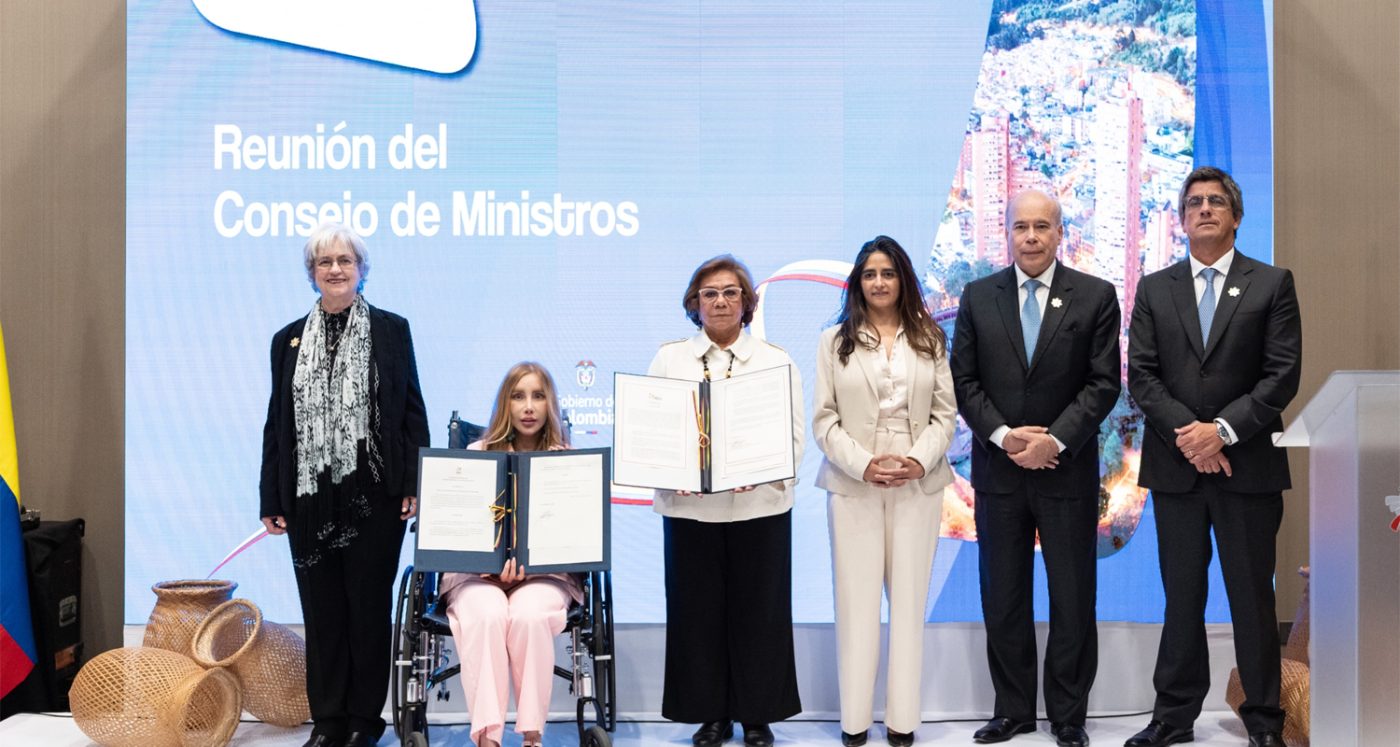
Council of Ministers concludes with signing of the Bogotá Act

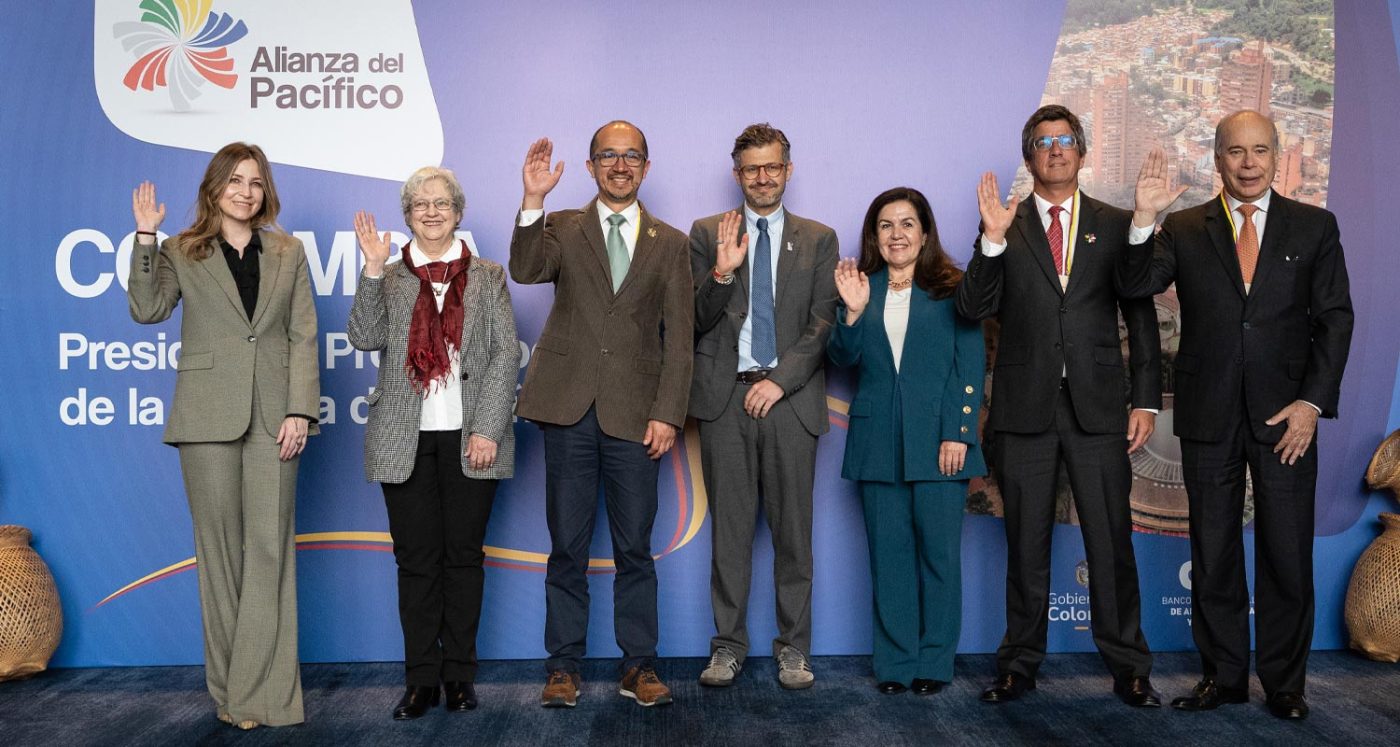
January 30, 2026.- Prior to the transfer of the Pro Tempore Presidency to Mexico, Colombian Foreign Minister Yolanda Villavicencio led the Council of Ministers of the Pacific Alliance, a body that brings together the Foreign and Trade Ministers of the four countries with the aim of verifying compliance with the mechanism’s objectives.

During her speech, the Colombian Foreign Minister thanked the teams for their rigorous work during the week and said that “the fruits of these technical deliberations constitute the solid foundation on which we will build high-level ministerial agreements today.”

“We are meeting at a crucial moment for our region, where the Pacific Alliance is consolidating itself as a beacon of pragmatic, innovative, and people-centered integration. We will renew the dynamism of our bloc with bold and consensual decisions, in order to deepen a space of shared prosperity that improves the lives of more than 230 million citizens,” she said.

For his part, Manuel Chacón, Director of Economic Integration at the Colombian Ministry of Commerce, said that “in our capacity as Pro Tempore Presidency, Colombia has worked with a coordinated technical approach and shared responsibility to consolidate the Pacific Alliance as a mechanism for deep, dynamic, and results-oriented integration. The progress made during 2025 reflects the commitment of the member states to pragmatic and consensus-based integration.”

During the meeting, officials received a report on Costa Rica’s accession process and the incorporation of Singapore as the first Associate State.

They also adopted instruments such as the Roadmap for the Economic Empowerment of Youth in the Pacific Alliance and the update of the Pacific Alliance Roadmap for Sustainable Plastics Management.

At the meeting, senior officials approved the 2026 Cooperation Fund Work Plan and signed the Bogotá Act, which includes the main “Progress and Achievements” and the Presentation of the main activities of the 2026 work plans of the technical bodies.

Finally, they held a meeting with the Pacific Alliance Business Council.

The Council of Ministers was attended by Rosa Yolanda Villavicencio Mapy, Minister of Foreign Affairs of Colombia; Manuel Chacón, Director of Economic Integration at the Ministry of Trade; Claudia Sanhueza, Undersecretary for International Economic Relations of Chile; Raquel Serur Smeke, Undersecretary for Latin America and the Caribbean at the Ministry of Foreign Affairs of Mexico; Deborah Alcocer Délano, Head of the International Trade Negotiations Unit at the Mexican Ministry of Economy; Eric Anderson Machado, Secretary General of the Peruvian Ministry of Foreign Affairs; and César Augusto Llona Silva, Deputy Minister of Foreign Trade of Peru.

COMMUNICATIONS PPT PACIFIC ALLIANCE

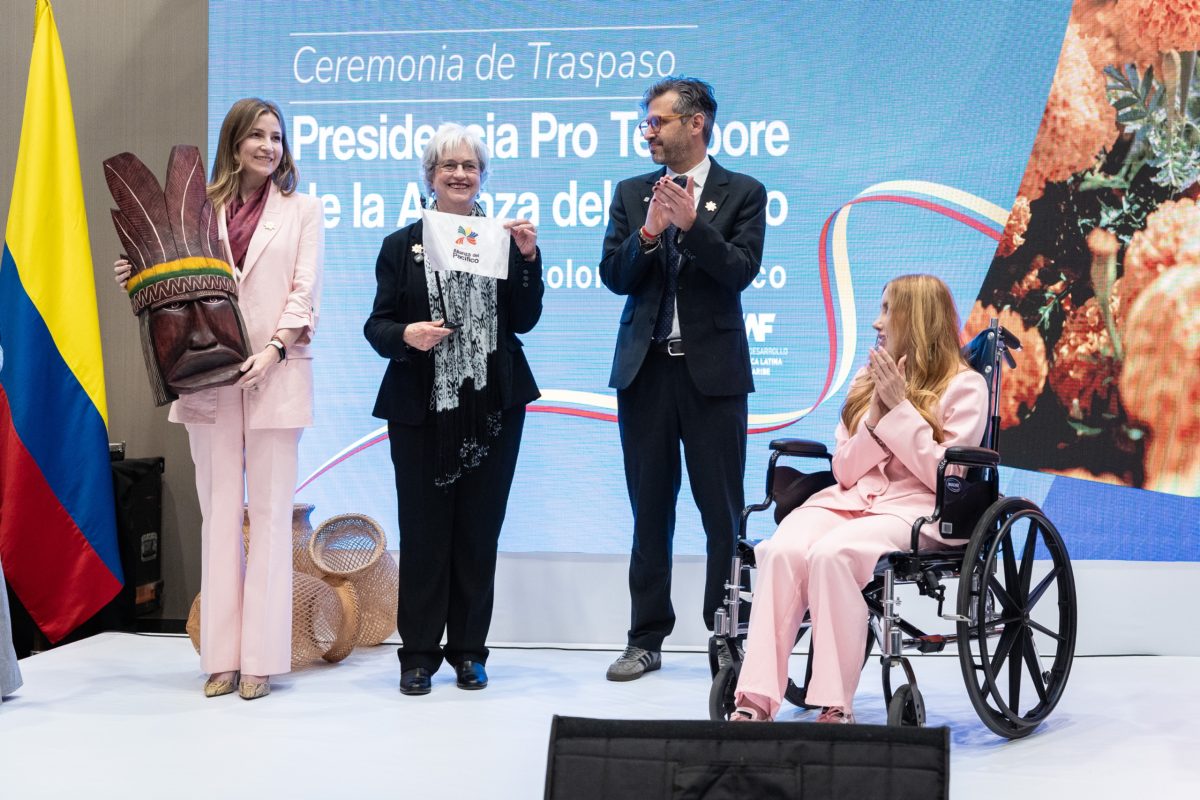
Mexico Assumes Pro Tempore Presidency of the Pacific Alliance

January 30, 2026.- Mexico has assumed the Pro Tempore Presidency (PPT) of the Pacific Alliance, reaffirming its commitment to the bloc and to regional integration that effectively addresses the social, economic, trade and environmental challenges facing Latin America.

During its Presidency, Mexico will promote pragmatic management focused on concrete, measurable results that translate regional cooperation into tangible benefits for the people of the member countries. This approach will strengthen the Pacific Alliance’s capacity for action and impact, while maintaining its open, flexible and consensus-based character.

Mexico will pursue a strategic redefinition of the Alliance’s external relations to strengthen cooperation with Observer States and strategic partners. The Presidency will coordinate technical, financial and institutional capacities on high-value projects that make the Pacific Alliance an effective platform for cooperation and global engagement.

The Mexican Presidency will work to give greater substance, coherence and operability to documents, roadmaps and commitments the Alliance has already adopted, prioritizing effective implementation and ensuring they meet the region’s current needs and shared sustainable development goals.

On expansion, Mexico reiterates its commitment to continue work toward Costa Rica’s accession as a Member State and Singapore’s inclusion as an Associated State, convinced that a more robust, diverse Alliance connected with other world regions strengthens its global influence.

This year, Mexico will advance a comprehensive agenda reflecting a broad vision of development and wellbeing. The Presidency will prioritize youth, inclusion and gender equality, the environment, education and culture as central components of more inclusive, people-centered integration.

In finance, Mexico will prioritize financial inclusion and innovation, promoting sustainable finance, managing climate risks, and financing productive investment and industrial development. The Presidency will pay special attention to helping micro, small and medium-sized enterprises access capital markets and financing programs that support economic resilience.

On economic and trade matters, Mexico will promote globally strategic sectors—semiconductors, automotive and aerospace, medical devices, electromobility, and rare earths, among others. The Presidency will launch a new phase of strategic investment attraction, particularly in logistics infrastructure, digital connectivity and strengthening SMEs through relocation of production chains as engines of growth, competitiveness and job creation.

Mexico assumes the Pro Tempore Presidency convinced that the Pacific Alliance is essential for addressing an increasingly complex international environment with regional responses, and will work with member countries, Observer States and strategic partners to build a more effective Alliance that is closer to its societies and creates shared opportunities.

Mexico’s presidency will strengthen the Alliance as a forum for cooperation that, without losing sight of its economic and commercial vocation, moves toward deeper integration based on solidarity, wellbeing and sustainable and inclusive development.

COMMUNICATIONS PRO TEMPORE PRESIDENCY

Deputy Ministers of the Pacific Alliance High-Level Group meet in Bogotá to consolidate the 2026 strategic agenda

January 29, 2026. – With the aim of reviewing the progress made during 2025 under Colombia’s Pro Tempore Presidency and planning the Pacific Alliance’s strategic agenda in the current international context, the deputy ministers of Foreign Affairs and Foreign Trade of Chile, Colombia, Mexico, and Peru held the High-Level Group (GAN) meeting in Bogotá.

The session was chaired by Mauricio Jaramillo Jassir, Deputy Minister of Multilateral Affairs of Colombia, and Tito Rufino Yepes, Deputy Minister of Trade, Industry, and Tourism. High-level representatives from the four member states, responsible for leading this integration mechanism, also participated.

During the meeting, the deputy ministers assessed the status of implementation of current commitments and reviewed the reports of the 25 technical groups, in order to submit to the Council of Ministers a set of instruments aimed at strengthening the bloc’s governance and external projection.

Among the documents that will be submitted for consideration by the Council of Ministers on January 30 are the Roadmap for the Economic Empowerment of Youth in the Pacific Alliance and the update of the Roadmap for Sustainable Plastics Management, initiatives that reinforce the social and environmental dimension of the mechanism.

“This meeting reaffirms the strategic value of the Pacific Alliance as a platform for political consultation, foreign policy coordination, and economic articulation. In an international scenario marked by tensions and transformations, multilateralism and regional integration remain fundamental tools for our countries,” said Colombia’s Deputy Minister Mauricio Jaramillo Jassir.

The session also reviewed progress in Costa Rica’s accession process as a member State and the incorporation of Singapore as the first Associate State, reflecting growing international interest in the mechanism.

The GAN also held a dialogue with Paola Buendía and Sergio Contreras, representatives of the Pacific Alliance Business Council (CEAP), and Sebastián González and Rodrigo Contreras, from the Inter-American Development Bank (IDB), with the aim of strengthening public-private coordination and technical support for the bloc’s priorities.

From the private sector, Carlos Barragán and Catalina Macías from Nestlé Colombia presented the results and recommendations of the Stakeholder Meeting held during the tenth Pacific Alliance Youth Meeting, with an emphasis on inclusion, employability, and youth productivity.

The meeting was also attended by Marcela Otero Fuentes, Director General of Multilateral Economic Affairs of Chile; Raquel Serur Smeke, Undersecretary for Latin America and the Caribbean of Mexico; Deborah Alcocer Delano, Head of the International Trade Negotiations Unit of the Ministry of Economy of the United Mexican States; César Augusto Llona Silva, Deputy Minister of Foreign Trade of Peru; and Eric Anderson Machado, Secretary General of the Ministry of Foreign Affairs of Peru, as well as high-level delegations from the four member states responsible for the political and technical management of regional integration in the areas of foreign policy and trade.

The GAN reviewed the final version of the Bogotá Act, a document that will be signed by the Council of Ministers during the ceremony transferring the Pro Tempore Presidency from Colombia to Mexico.

Finally, the deputy ministers exchanged views on the Pacific Alliance’s external relations with its observer states, with a view to strengthening the mechanism’s international presence and positioning.

COMMUNICATIONS PPT PACIFIC ALLIANCE

Boost for Costa Rica’s accession at meeting of National Coordinators of the Pacific Alliance

January 28, 2026.- Colombia led the meeting of National Coordinators of the Pacific Alliance, together with delegations from Chile, Mexico, and Peru. During the meeting, the final version of the Bogotá Act was approved, a document that will be signed by the Council of Ministers on January 30.

The sessions allowed for an evaluation of the results achieved during Colombia’s Pro Tempore Presidency and progress in planning the upcoming meetings of the High-Level Group and the Council of Ministers, which will take place within the framework of the process of transferring the Presidency of the mechanism to Mexico.

The national coordinator of the Pacific Alliance, Francisco Gutiérrez, who also serves as director of Regional Coordination and Integration Mechanisms at the Colombian Foreign Ministry, highlighted the success of the Fifth Meeting of the Working Group for Costa Rica’s accession to the Pacific Alliance Framework Agreement, as well as the Second Coordination Meeting for the negotiation with Costa Rica of the Ad -hoc Group for Trade Protocol matters. The meetings provided an opportunity to review progress and engage in technical and constructive exchanges of information aimed at facilitating understanding and coordination of key aspects of the process and next steps for conducting the negotiation rounds.

“I would like to emphasize that Costa Rica’s incorporation will represent a significant step toward strengthening the Pacific Alliance, not only because of the affinity of values and principles we share, but also because of the opportunities it opens up for deepening regional integration for the benefit of our citizens, which is, ultimately, the main objective that brings us together,” said Francisco Gutiérrez.

The Costa Rican delegation was composed of Adriana Castro, Director of Foreign Trade; Carolina Vargas, Coordinator of the Latin American Forum; and, virtually, Rolando Madrigal, from the General Directorate of Foreign Policy.

“We have always been convinced that the Pacific Alliance represents another step in the right direction, not only in the commercial sphere, as has been pointed out, but also in other areas that are equally relevant for bringing our peoples closer together and continuing to advance toward development alongside countries with which we share a very close relationship,” said Adriana Castro.

These sessions marked the last meeting of National Coordinators under Colombia’s Pro Tempore Presidency and usher in a transition period aimed at ensuring the continuity of the mechanism’s work and commitments, ahead of Mexico’s assumption of leadership.

COMMUNICATIONS PPT PACIFIC ALLIANCE
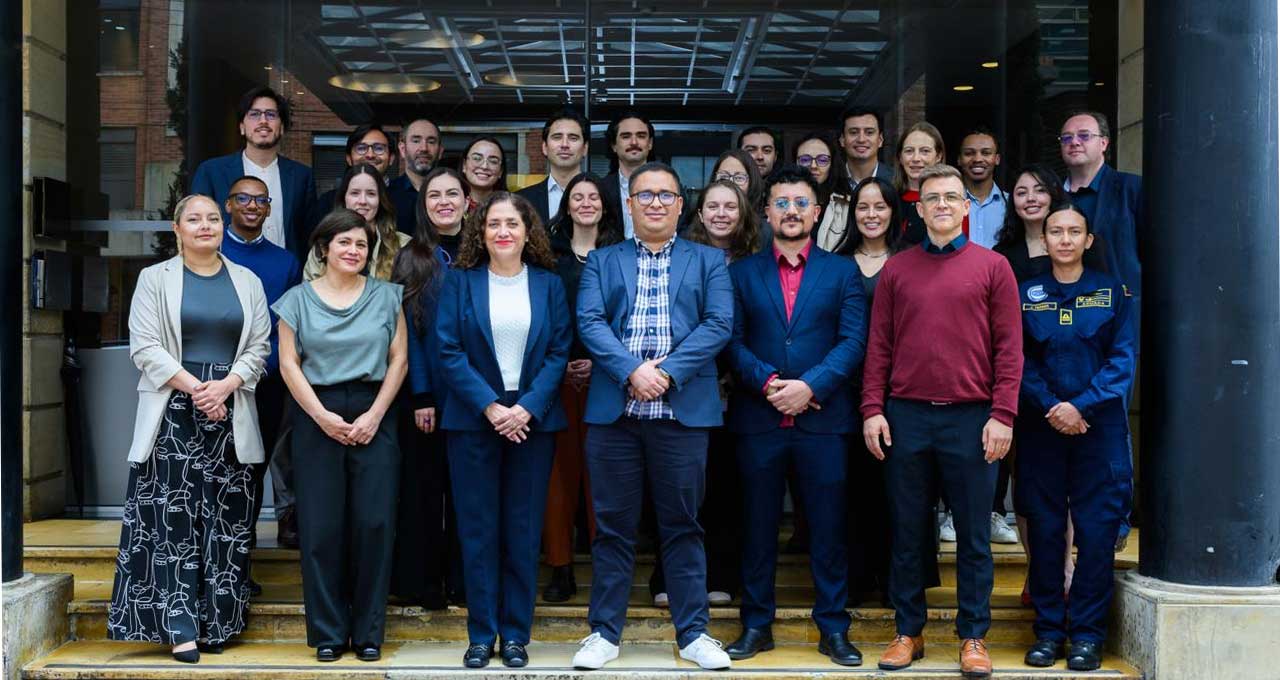
National Coordinators of the Pacific Alliance meet in Bogotá under Colombia’s Pro Tempore Presidency

January 27, 2026.- Colombia kicked off a series of meetings of the National Coordinators of the Pacific Alliance, ahead of the meeting of the High-Level Group and the Council of Ministers within the framework of the process of transferring the Pro Tempore Presidency of the mechanism to Mexico.

The meeting was chaired by Francisco Gutiérrez, Director of Regional Coordination and Integration Mechanisms at the Colombian Ministry of Foreign Affairs, who presented an overview of the progress made during Colombia’s Pro Tempore Presidency and outlined the main topics on the regional agenda, and by Manuel Chacón, Director of Economic Integration at the Colombian Ministry of Commerce, Industry, and Tourism.

During the session, priority issues for the mechanism were addressed, including the ongoing processes for the accession of Costa Rica and the incorporation of Singapore as the first Associate State of the Pacific Alliance.

This meeting marks the last gathering of National Coordinators under Colombia’s Pro Tempore Presidency and ushers in a transition phase aimed at ensuring the continuity of the Alliance’s work and commitments, ahead of Mexico’s assumption of leadership.

The session was attended by Marcela Otero, Director of Multilateral Economic Affairs of Chile; Cristóbal Ramírez, Head of the Pacific Alliance Division; Daniel Cámara, Director General for American Regional Organizations and Mechanisms at the Mexican Foreign Ministry; Alberto Jiménez, Director for Latin America, the Caribbean, and the Pacific Alliance at the Mexican Ministry of Economy; Jorge Félix Rubio Correa, Director General for Economic Affairs at the Peruvian Foreign Ministry; and Elva Rodríguez, National Coordinator for Peru at the Ministry of Foreign Trade and Tourism.

During the week, Colombia will lead a work agenda that includes the following events:

  • January 28: Meeting of National Coordinators and meeting of the Working Group for Costa Rica’s Accession.
  • January 29: Meeting of the High-Level Group.
  • January 30: XII Pacific Alliance Business Summit.
  • January 30: Meeting of the Council of Ministers.
  • January 30: Ceremony for the Transfer of the Pro Tempore Presidency.

These meetings reaffirm the commitment of the member countries to strengthening regional multilateralism as the basis for political coordination, economic integration, and joint decision-making in the Pacific Alliance.

COMMUNICATIONS PPT PACIFIC ALLIANCE
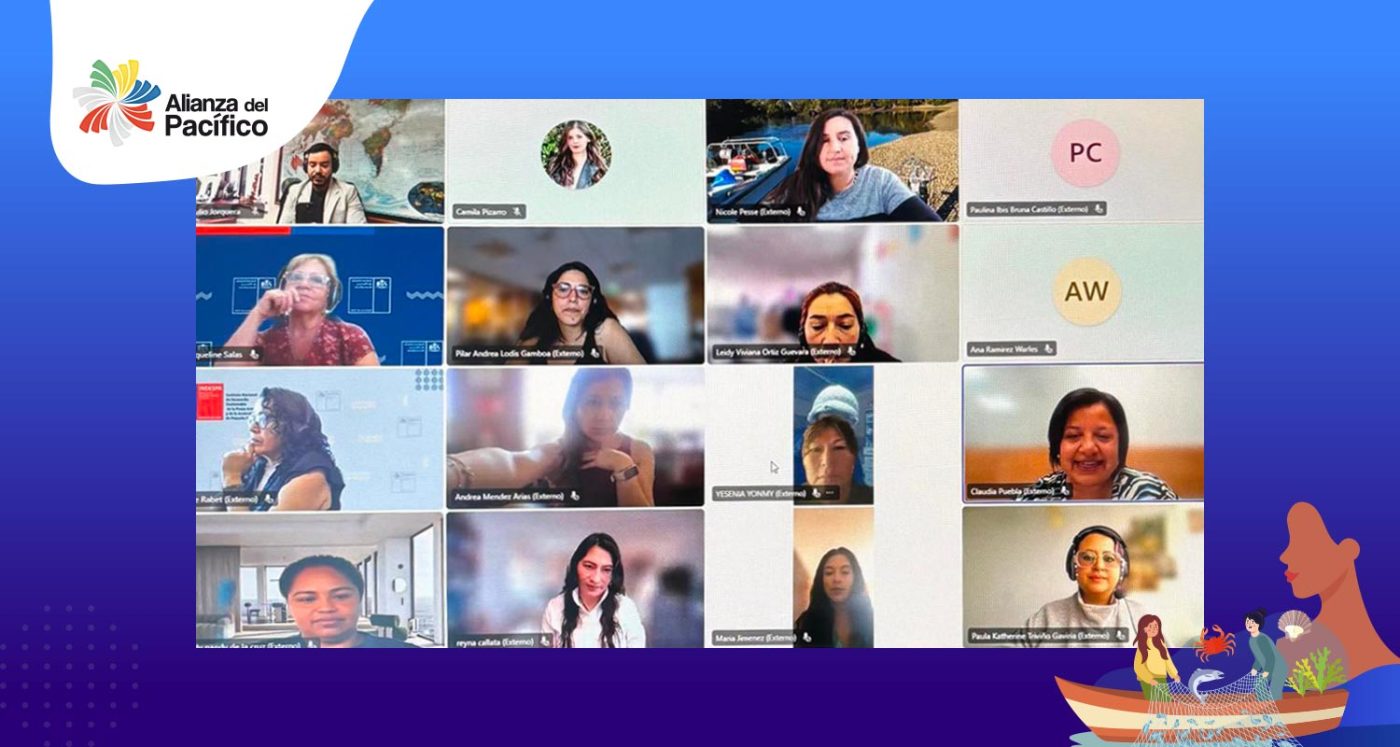
Pacific Alliance and European Union bring together regional experts to discuss the ‘Employment System’ and skills certification as a driver of labor inclusion in the Global Gateway strategy

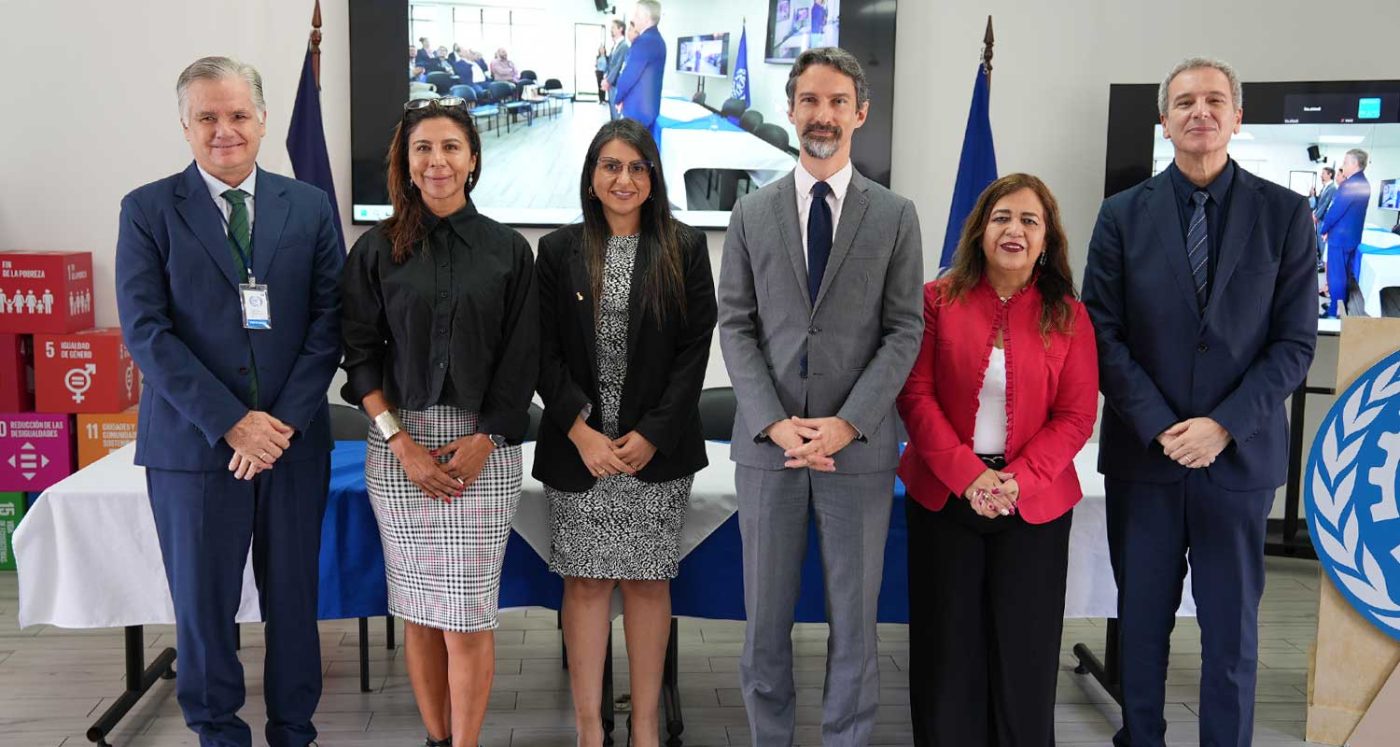
December 12, 2025.- The ILO Office for Central America, Haiti, Panama, and the Dominican Republic in Costa Rica hosted an international seminar entitled Towards the Development of ‘Employment Systems’ in the European Union’s Global Gateway Strategy, to promote labor inclusion through skills certification in the countries that make up the Pacific Alliance (PA).

The event highlighted that the Global Gateway investment agenda will contribute to promoting prosperous, sustainable, and inclusive development in the region, a goal shared by the European Union and the countries that make up the Pacific Alliance.

The Global Gateway is a strategy aimed at productive development alongside social development, understanding that all investment must necessarily lead to better opportunities for people. Productive development in strategic sectors that are bringing about major transformations in the economies of countries must be inclusive so as not to generate new inequalities. In other words, it must be possible to promote decent lives for large groups of the population, and for this to happen, access to decent work is a basic and essential condition.

The sectors prioritized in the Global Gateway strategy coincide with those critical to the development of the Pacific Alliance countries: clean energy—including Green Hydrogen—sustainable transport, the circular economy, and digitalization are at the heart of the national strategies of Chile, Colombia, Mexico, Peru, and Costa Rica, and therefore the possibility of linking both agendas in favor of the development of the countries and their population is welcomed.

Psychosocial Risk Experts identify risks and agree on recommendations for working on digital delivery platforms

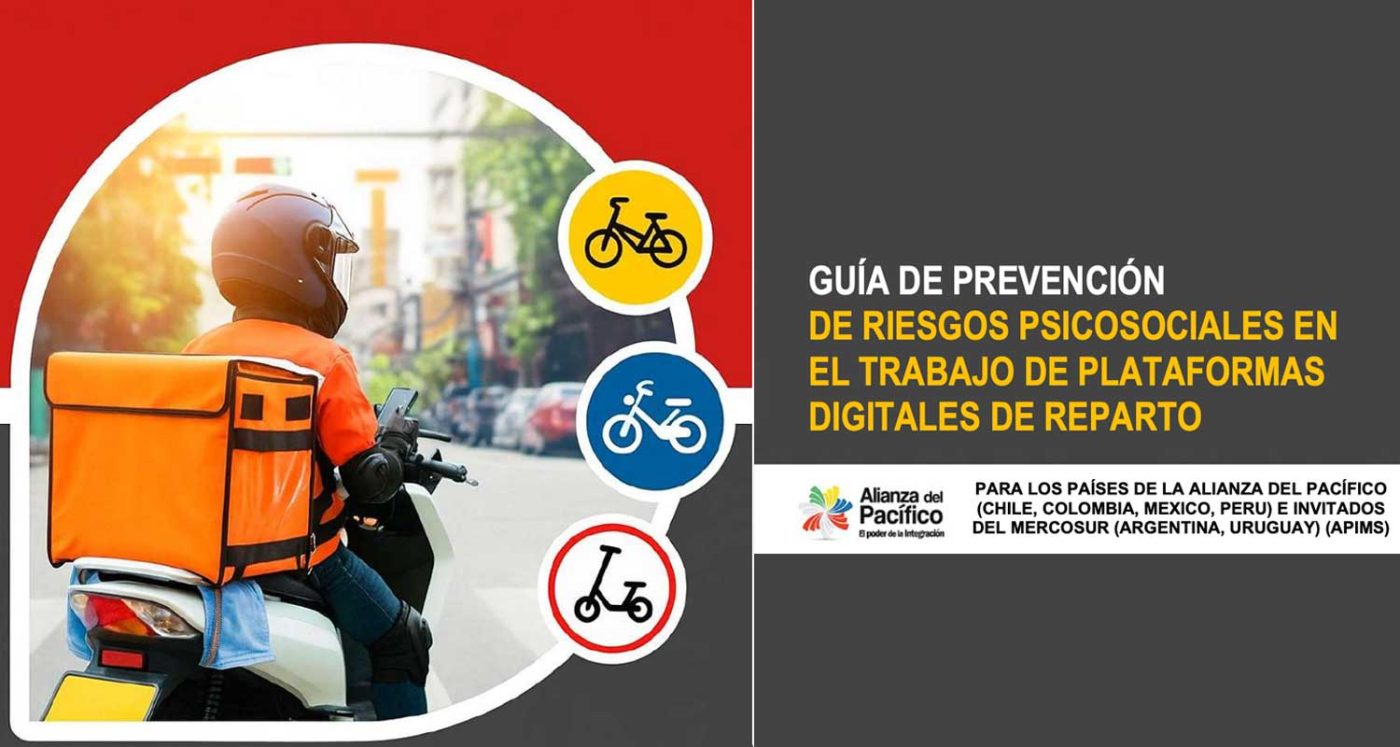
November 28, 2025.- The Pacific Alliance Psychosocial Risk Expert Group—Chile, Colombia, Mexico, Peru—together with the invited MERCOSUR countries—Argentina and Uruguay—developed the document entitled “Guide to the prevention of psychosocial risks in the work of digital delivery platforms.”

The Guide aims to provide recommendations and guidance on the prevention of psychosocial risks in digital delivery platform work, and is intended for all stakeholders, workers, unions and union representatives, OSH professionals in general, employers, and those responsible for policy design in the world of work.

The central chapters provide an overview of the psychosocial risks identified on these platforms and recommendations for preventing them.

It also provides information on the regulatory context and its foundations, considering existing legal regulations and a study on these workers conducted in Chile.