First Summit of Women Entrepreneurs of the Pacific Alliance is held

The event aimed to highlight existing public policies and private sector initiatives, raise awareness of good practices and the barriers faced by women entrepreneurs in scaling up and internationalizing their businesses, with a view to strengthening a regional agenda that promotes the full participation of women in trade and the economy.
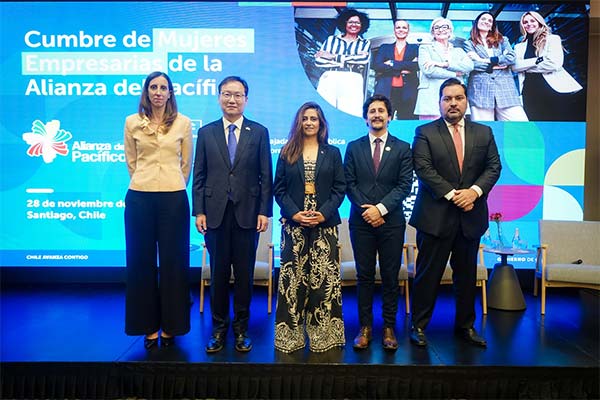
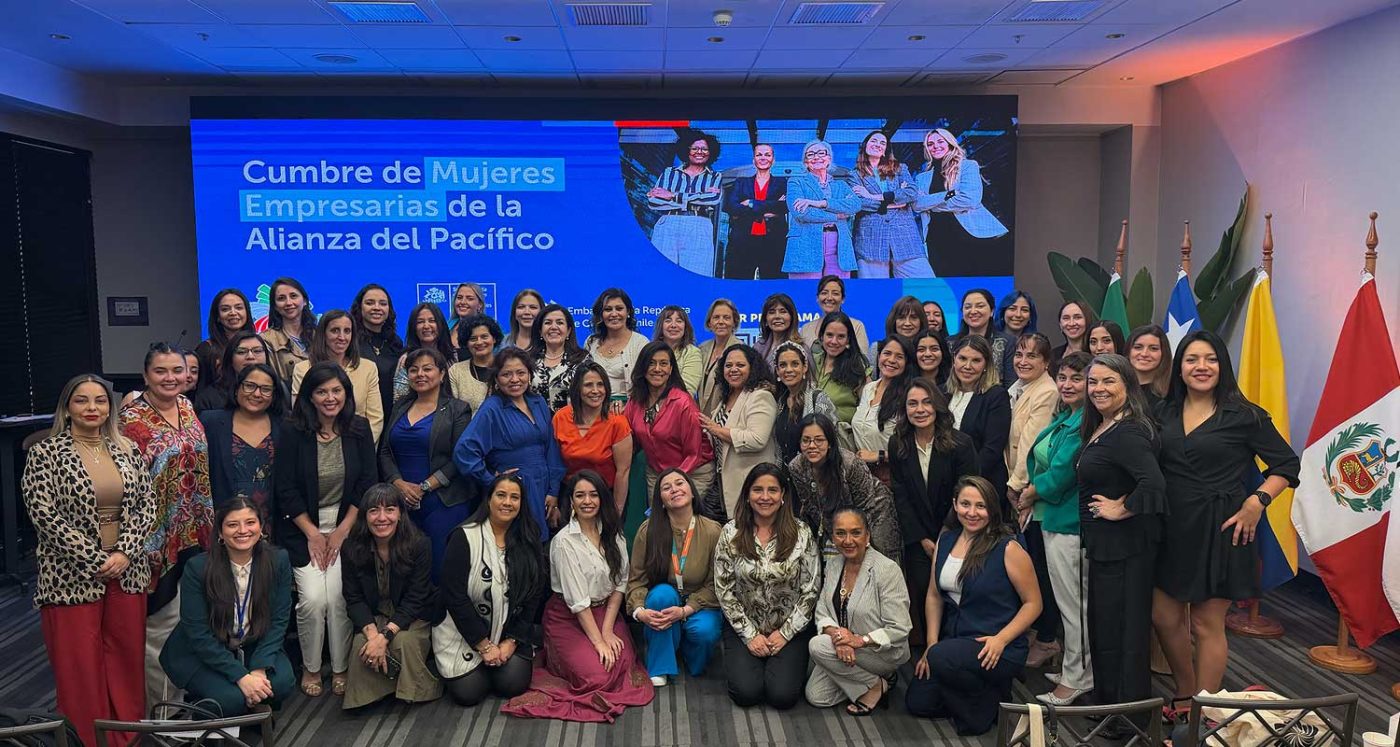
November 28, 2025.- This morning, in Santiago, Chile, the first Summit of Women Entrepreneurs of the Pacific Alliance was held, a meeting that seeks to strengthen public-private coordination in trade and gender.

The Women Entrepreneurs Summit, organized by the Pacific Alliance’s Gender Technical Group (GTG), SUBREI’s Inclusive Trade Department, and the Korean Embassy in Chile, with the support of ProChile, the Chilean-Colombian Chamber of Commerce, the Chilean-Mexican Chamber of Integration, and the Chilean-Peruvian Chamber of Commerce—aimed to highlight existing public policies and private sector initiatives, raise awareness of good practices and the barriers faced by women entrepreneurs in scaling up and internationalizing their businesses, with a view to strengthening a regional agenda that promotes the full participation of women in trade and the economy.

The event was attended by Chile’s Undersecretary of International Economic Relations (SUBREI), Claudia Sanhueza; Colombia’s ambassador to Chile, Sebastián Guanumen Parra, representing Colombia’s Pro Tempore Presidency; Hak-Jae Kim, the Ambassador of the Republic of Korea to Chile; representatives of trade promotion agencies from Pacific Alliance countries, binational chambers of commerce, women entrepreneurs, and members of the Gender Technical Group.

Undersecretary Sanhueza noted that “Chile is coordinating this group during 2025 and has focused its efforts on strengthening ties with the private sector, promoting business networks, and highlighting the challenges and opportunities faced by women in the economic and commercial spheres.”

Panels and networking

Following the inauguration, the first panel discussion, entitled “Regional advances in women’s economic empowerment through trade,” took place, moderated by Marcela Otero, Director General of Multilateral Economic Affairs at SUBREI, where representatives from Trade of Mexico, Peru, and Korea presented various initiatives being developed by their governments to empower women economically and increase their participation in global trade.

Next, María Pilar Jiménez Álvarez, head of the Gender and Sustainable Exports Department at ProChile, led the panel “Inspiring voices: female leadership in action,” where businesswomen from the four AP countries shared their experiences of developing their businesses in Chile, their main challenges, and how innovation has supported the expansion of their companies.

In the final panel, “Innovating by connecting ecosystems: how chambers of commerce are building bridges between countries and women entrepreneurs to innovate and scale their businesses,” moderated by María Jesús Prieto, head of SUBREI’s Inclusive Trade Department, representatives from the Chilean-Colombian, Chilean-Peruvian, and Chilean-Mexican Chambers of Commerce referred to the activities they carry out in their countries and how they can become channels of support, networks, and local knowledge transfer for businesswomen and entrepreneurs in the four countries.

In addition, during the event, attendees were able to talk and connect with each other and with authorities in a special networking space, where they could share their projects and initiatives.
Ministries of Culture of the Pacific Alliance seal historic agreement on education and the arts

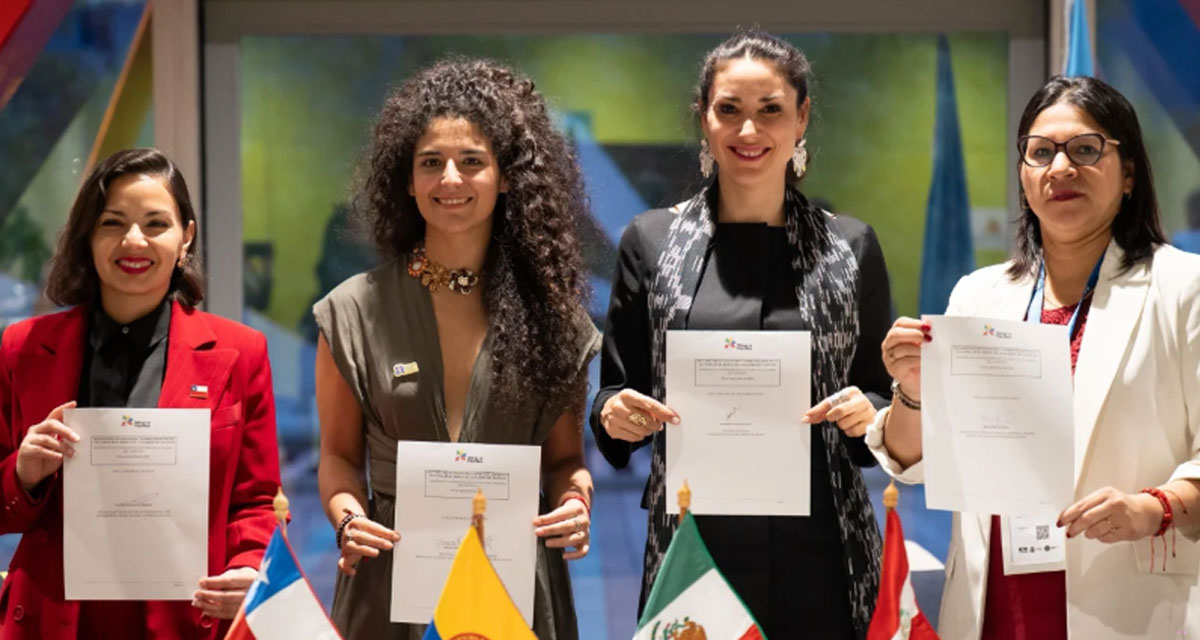
October 7, 2025.- During the UNESCO World Conference on Cultural Policies and Sustainable Development (MONDIACULT), the ministers of culture of the Pacific Alliance signed the “Declaration on Artistic and Cultural Education and Training.” This act constitutes a historic step that reaffirms the bloc’s commitment to consolidating culture and education as fundamental pillars of human development and peace in the region.

In this way, the highest cultural authorities of the Pacific Alliance sent a strong message to the international community with the signing of the declaration: Chilean Minister Carolina Arredondo Marzán; her Colombian counterpart, Yannai Kadamani Fonrodona; Mexican Secretary of Culture Claudia Curiel de Icaza; and Peruvian Deputy Minister Moira Novoa Silva. All of them proclaimed that “culture is the common ground on which a more dignified life is built, citizenship is constructed, democracies are strengthened, and the region is projected with greater cohesion and strength.”

This declaration is the result of the work of the Pacific Alliance Technical Group on Culture and incorporates, as a valuable precedent, the Arts for Peace program led by Colombia. This process demonstrates the bloc’s capacity for mutual learning and the adoption of good practices through South-South cooperation. This dynamic, which transcends borders, reflects the Alliance’s willingness to build joint solutions and project a common future based on culture.

With this document, the Pacific Alliance reaffirms its commitment to a culture that shapes critical and creative citizens, strengthens democracies, and promotes public policies that integrate education, culture, and the arts as tools for social transformation. Thus, the declaration stands as a bridge to sustainability and peace, proclaiming with a leading voice a clear and powerful message: culture is a right, an engine of peace, and the backbone of social and human development.

This is another achievement of the Pacific Alliance within the framework of Colombia’s Pro Tempore Presidency in 2025.

PPT Communications 2025 Pacific Alliance

MSMEs and productive cooperatives in the Pacific Alliance move towards internationalization

Entrepreneurs who are already in foreign markets shared their experience in the internationalization process. Productive cooperatives launched their work plan for 2026.

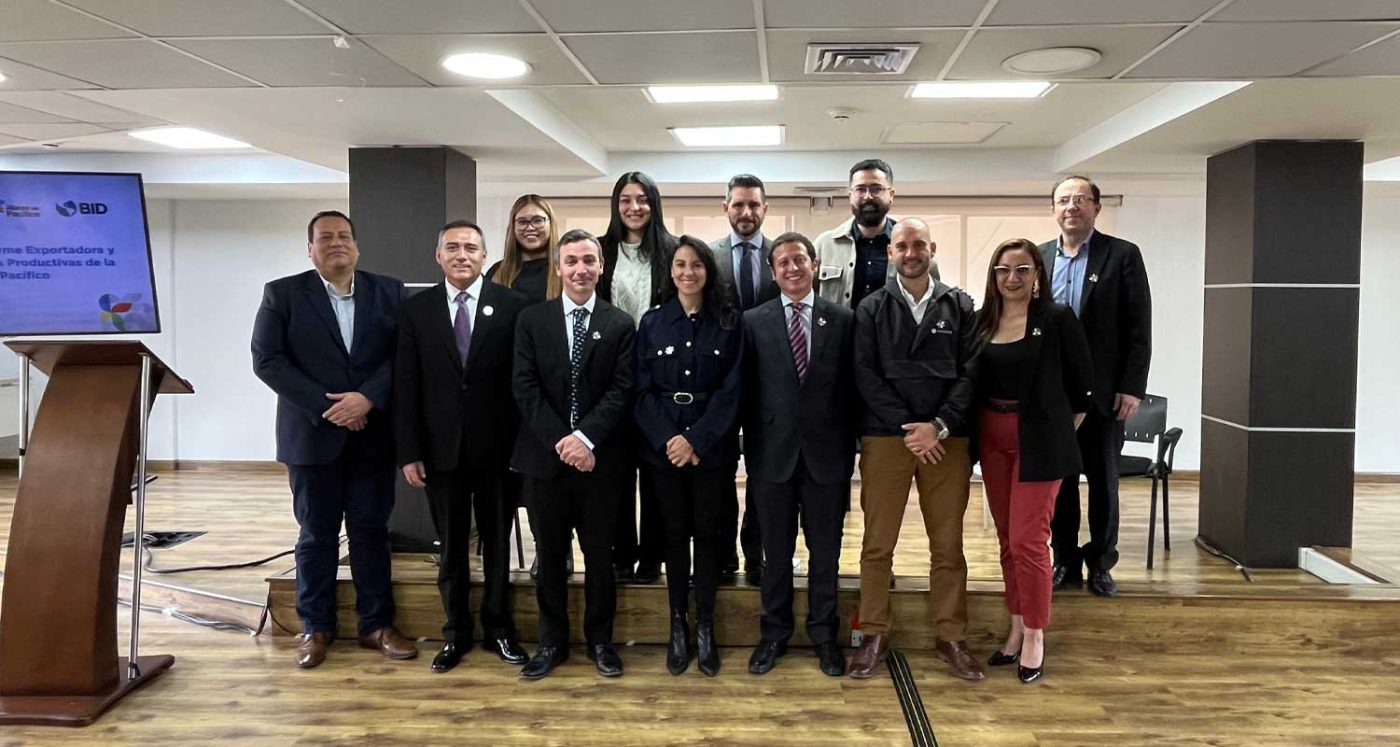
October 3, 2025.- With a packed agenda and the participation of entrepreneurs and experts from Chile, Colombia, Mexico, and Peru, the IV Meeting of Exporting MSMEs and II Forum of Cooperatives of the Pacific Alliance was held in Bogotá, with the support of the Inter-American Development Bank (IDB).

The objective of the event was to contribute to strengthening the capacities and taking advantage of the opportunities that arise for micro, small, and medium-sized enterprises in this integration bloc in their internationalization process. They are the engine of regional integration and productive transformation.

During the event, companies from the four countries that have already made their way into foreign markets shared their experiences in this process, in which they have encountered challenges such as each country’s regulations, logistics costs, wage scales, and even culture. But they have also found opportunities such as formalization, new business contacts, and learning about logistics processes in each country, which has allowed them to grow and become more competitive.

Another topic addressed was the requirements for exporting and importing, as well as the facilitation mechanisms in each country. In addition, the use of digital tools such as social media to boost business was discussed.

Similarly, progress was reported on the implementation of the Public-Private Roadmap for the Development of MSMEs and Entrepreneurship, a cross-cutting initiative that seeks to establish and measure the progress of common policies in the Alliance countries to boost the growth, development, and competitiveness of business activity within the economies of the member countries.

Finally, the 2026 work plan for Productive Cooperatives in the Pacific Alliance countries was launched, with more than 70 people attending in person and an audience of more than 300 people watching the online broadcast.

The holding of this meeting reaffirms the commitment of Chile, Colombia, Mexico, and Peru to continue working for the productivity, competitiveness, and growth of the companies that make up the majority of the business fabric, as well as the incorporation of cooperatives in the region.

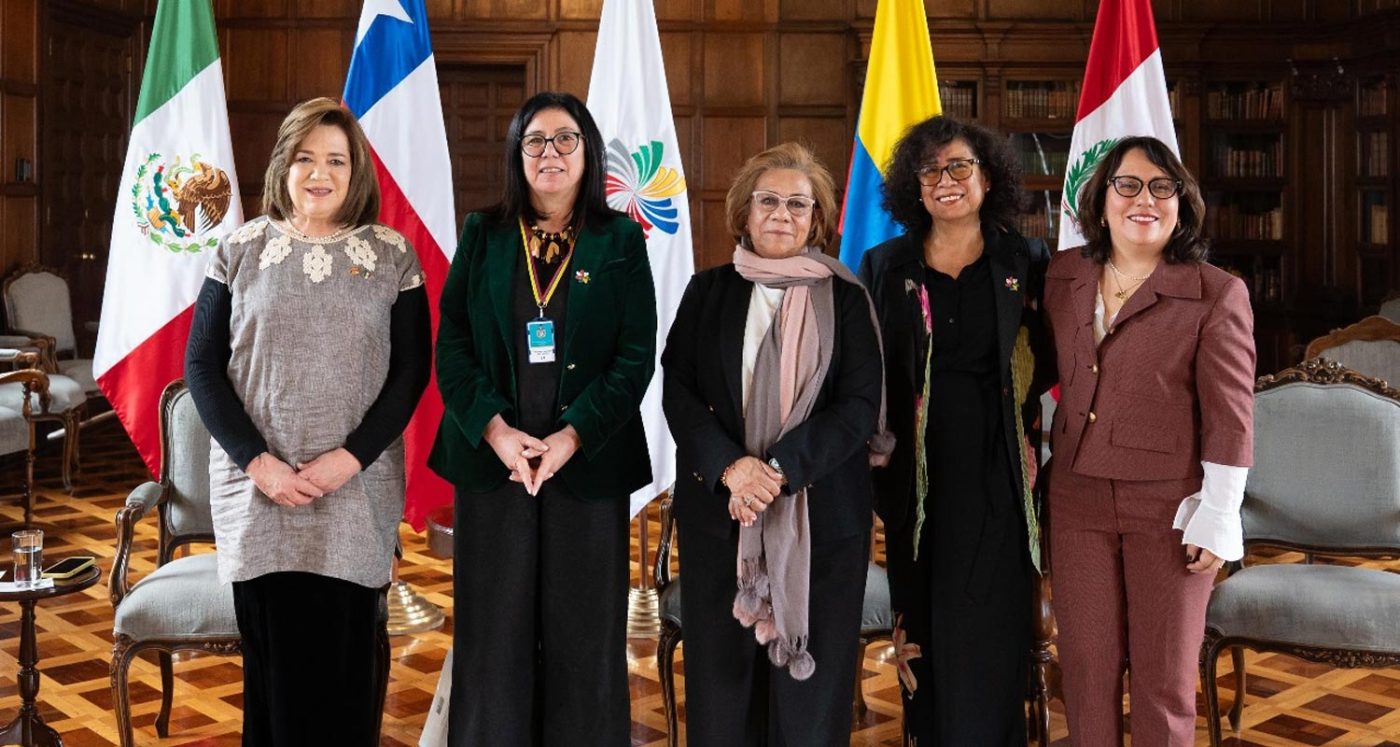
Pacific Alliance countries reinforce agenda for women’s leadership and economic empowerment

The Third Ministerial Meeting on Women’s Empowerment and Economic Autonomy in the Pacific Alliance was held at the headquarters of the Colombian Ministry of Foreign Affairs, in conjunction with the Ministry of Equality and Equity and the Ministry of Commerce, Industry, and Tourism of that country, within the framework of Colombia’s Pro Tempore Presidency of the Pacific Alliance for 2025.

September 29, 2025. The event provided an opportunity to exchange regional perspectives on concrete work for public policies and programs aimed at the economic empowerment of women in the four member countries: Chile, Colombia, Mexico, and Peru.

The meeting was attended by Chile’s Undersecretary for Women and Gender Equality, Claudia Donaire Gaete; Colombia’s Deputy Minister for Women, Olga Lucía Fuentes; and Peru’s Director General for the Promotion and Development of Women’s Economic Autonomy, Shirley Mozo Mercado, who led an inter-institutional dialogue and exchange based on successful experiences and focused on defining priorities and actions to be implemented, in light of three thematic areas:

  • Women’s participation in the labor market in the region, for their inclusion in the labor market and entrepreneurship.
  • Women’s leadership and participation in decision-making.
  • Training in STEM (Science, Technology, Engineering, and Mathematics) as a pathway to their integration into industry.

It is worth noting the attendance of representatives from CAF – Development Bank of Latin America and the Caribbean, Inter-American Development Bank (IDB), UN Women, the Presidential Agency for International Cooperation (APC-Colombia), the Free and Productive Women’s Fund of the Vice Presidency of Colombia, and the National Association of Entrepreneurs of Colombia (ANDI), representing the Business Council of the Pacific Alliance. This participation strengthened the discussion on the gender perspective in the mechanism and, in turn, allowed for the sharing of progress in the implementation of the Roadmap for the Autonomy and Economic Empowerment of Women in the Pacific Alliance (HRAEM).

The discussion also focused on the results of the virtual sectoral pre-forums held prior to the Third Ministerial Meeting, which involved the public sector, civil society, and the private sector. Through guiding questions on issues such as the gender gap, access, leadership, and participation, diverse and participatory inputs were gathered from representatives of each sector, strengthening the multisectoral dialogue ahead of the in-person meeting.

“May this meeting be an opportunity to agree on concrete and joint actions that empower women and, with them, our economies and our societies,” concluded Colombia’s Minister of Foreign Affairs, Rosa Yolanda Villavicencio.

The third edition of the meeting culminated in ministerial support for the joint agenda proposed by the Technical Gender Group to be presented to the Business Council of the Pacific Alliance, so that common and coordinated frameworks for action can be established to promote women’s empowerment and economic autonomy with the active involvement of the private sector.

Communications PPT 2025 Pacific Alliance

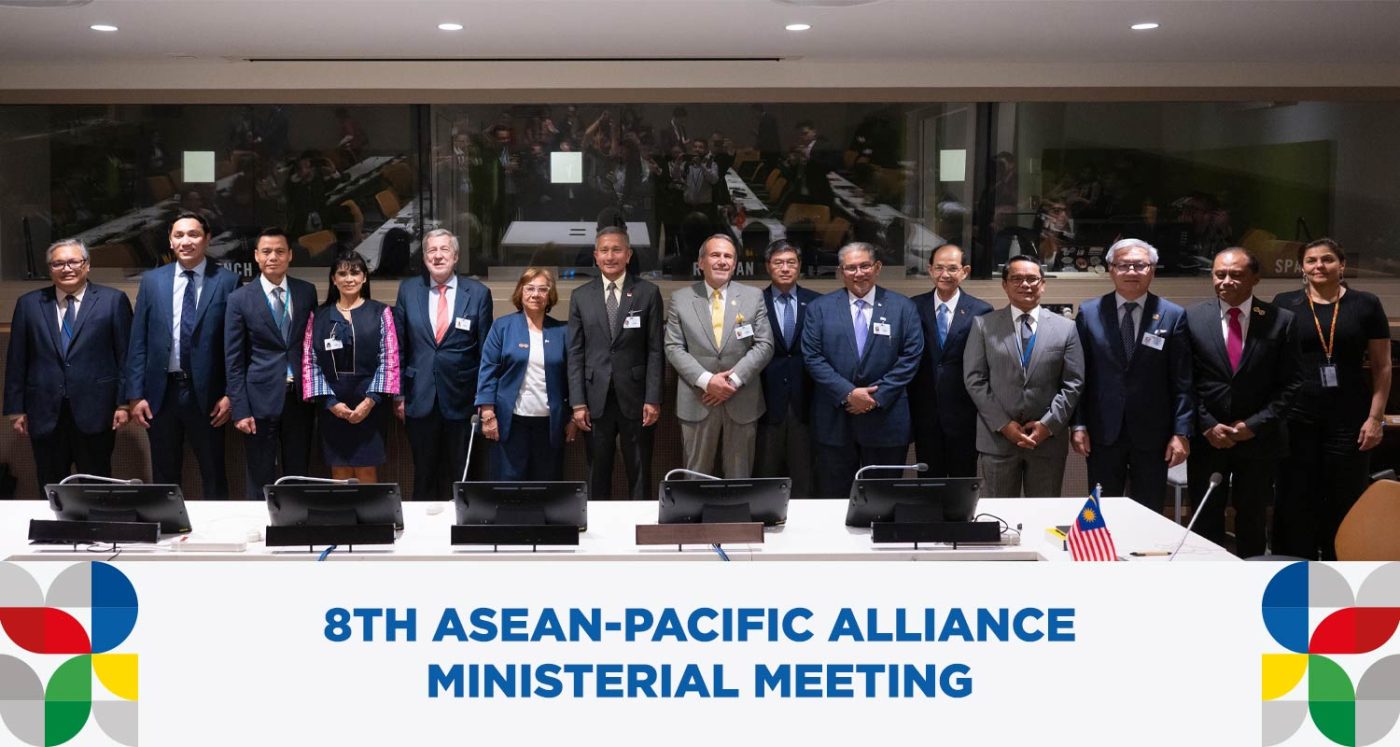
The 8th ASEAN–Pacific Alliance Ministerial Meeting was held in New York

September 24, 2025. – Within the framework of the 8th Ministerial Meeting between the Association of Southeast Asian Nations (ASEAN) and the Pacific Alliance (PA), held at the United Nations headquarters in New York, Colombia, in its capacity as Pro Tempore Presidency of the Pacific Alliance, reiterated the strategic importance of the relationship with ASEAN and its commitment to continue strengthening bi-regional cooperation ties.

Colombia’s Minister of Foreign Affairs, Rosa Yolanda Villavicencio, encouraged ASEAN member states to deepen their cooperation with the Pacific Alliance, noting that “together, we can amplify our efforts in key areas such as digital transformation, sustainable development, education, trade, and innovation. These are real tools for contributing to peace and prosperity in times of uncertainty and instability.”

The ASEAN-AP Tourism Microsite and the Online Learning Initiative, a joint platform for sharing best practices in sustainable tourism and tourism innovation, with content contributed by countries from both regions, were also presented at the event.

The session concluded with the reading of the joint press release by the co-chairs, the Minister of Foreign Affairs of Singapore, on behalf of ASEAN, and the Minister of Foreign Affairs of Colombia, on behalf of the Pacific Alliance.

Below:

CO-CHAIRS’ PRESS RELEASE 
8th ASEAN-PACIFIC ALLIANCE MINISTERIAL MEETING

    1. The 8th ASEAN-Pacific Alliance Ministerial Meeting was held on 24 September 2025 on the sidelines of the 80th Session of the United Nations General Assembly (UNGA) in New York City, USA. The Meeting was co-chaired by Minister for Foreign Affairs of the Republic of Singapore, H.E. Dr Vivian Balakrishnan, and Minister of Foreign Affairs of Colombia, H.E. Rosa Yolanda Villavicencio.

    2. The Ministers noted the recent developments in ASEAN and the Pacific Alliance, and reaffirmed ASEAN’s and the Pacific Alliance’s unwavering commitment to upholding multilateralism and the multilateral trading system as well as the importance of continued inter-regional cooperation in mutually beneficial areas for the peoples of the two regions. These include, among others, trade and investment, digital and green economies, Micro, Small and Medium sized Enterprises (MSMEs), sustainable development, tourism, as well as cultural, academic and other people-to-people exchanges.

    3. The Ministers took note of the progress of the implementation of the ASEAN-Pacific Alliance Work Plan (2021-2026) under its five pillars: (i) Economic Cooperation; (ii) Education and People-to-People Contacts; (iii) Science, Technology and Innovation as well as Smart Cities and Connectivity; (iv) Environment and Sustainable Development and; (v) Cooperation on Post-Pandemic recovery due to COVID-19.

    4. The Ministers highlighted the importance of fully and effectively implementing the remaining activities under the current ASEAN-Pacific Alliance’s Work Plan including preparations for a new Work Plan that will reflect emerging challenges and opportunities, and reiterated their commitment to continue pursuing regional integration and inter-regional cooperation initiatives, while acting within their respective areas of responsibility.

    5. The Ministers also welcomed the launch of the Tourism Microsite and E-Learning initiative as well as the proposed ASEAN-Pacific Alliance Cultural Week which aims to highlight the cultural vibrancy among the countries of both regions under the Education and People-to-People Contacts pillar of the Work Plan.

    6. The Ministers underscored Singapore’s progress towards Associated State status and the Pacific Alliance –Singapore Free Trade Agreement as a precedent for other ASEAN Member States to strengthen ties with the Pacific Alliance.

COMMUNICATIONS PPT PACIFIC ALLIANCE 2025

Pacific Alliance and Korea celebrate young talent and its role in regional integration

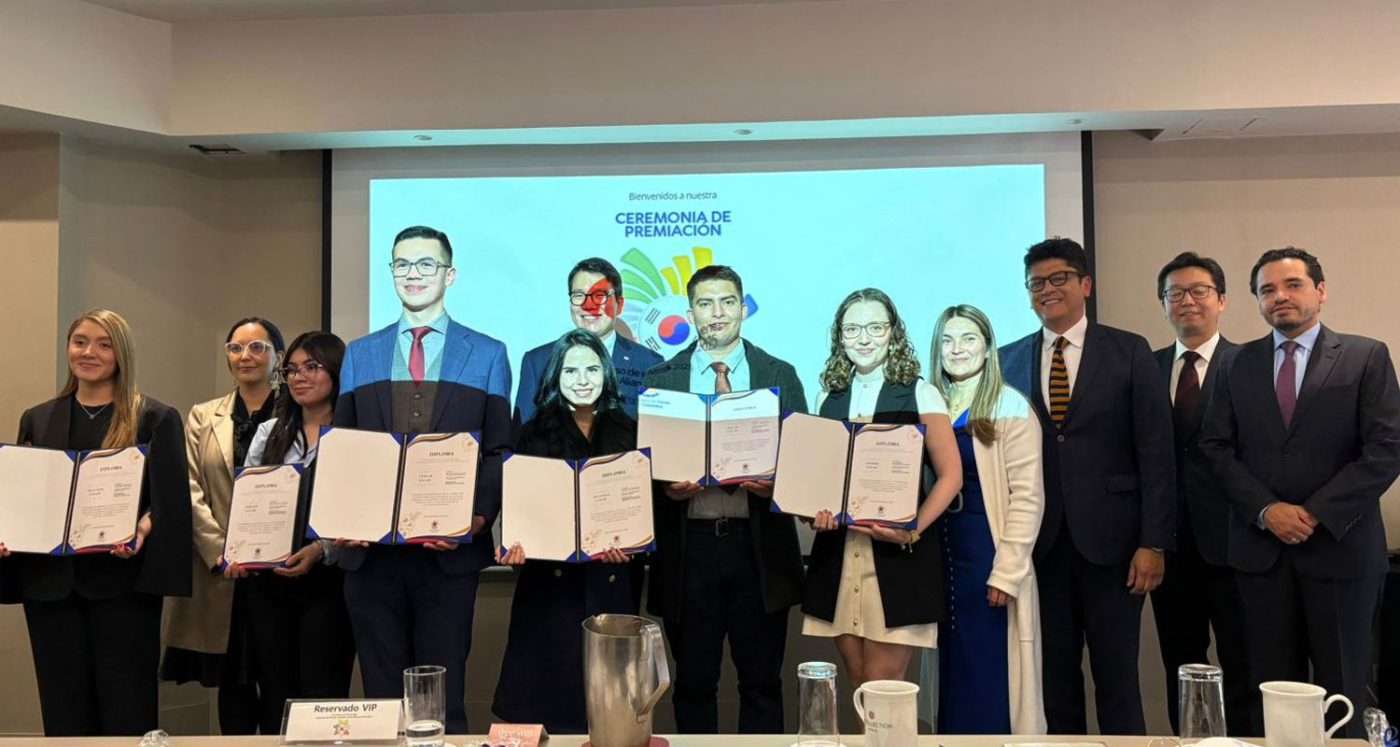
September 17, 2025.- The Pacific Alliance and Korea celebrated young talent and its role in regional integration with a youth essay contest, where more than 130 participants shared their thoughts on cooperation, innovation, and sustainability.

This contest aimed to strengthen dialogue between the Pacific Alliance and Korea through the ideas of young people.

PPT Communications 2025 Pacific Alliance

Experiences and Good practices in Responsible Business Conduct in the countries of the Pacific Alliance

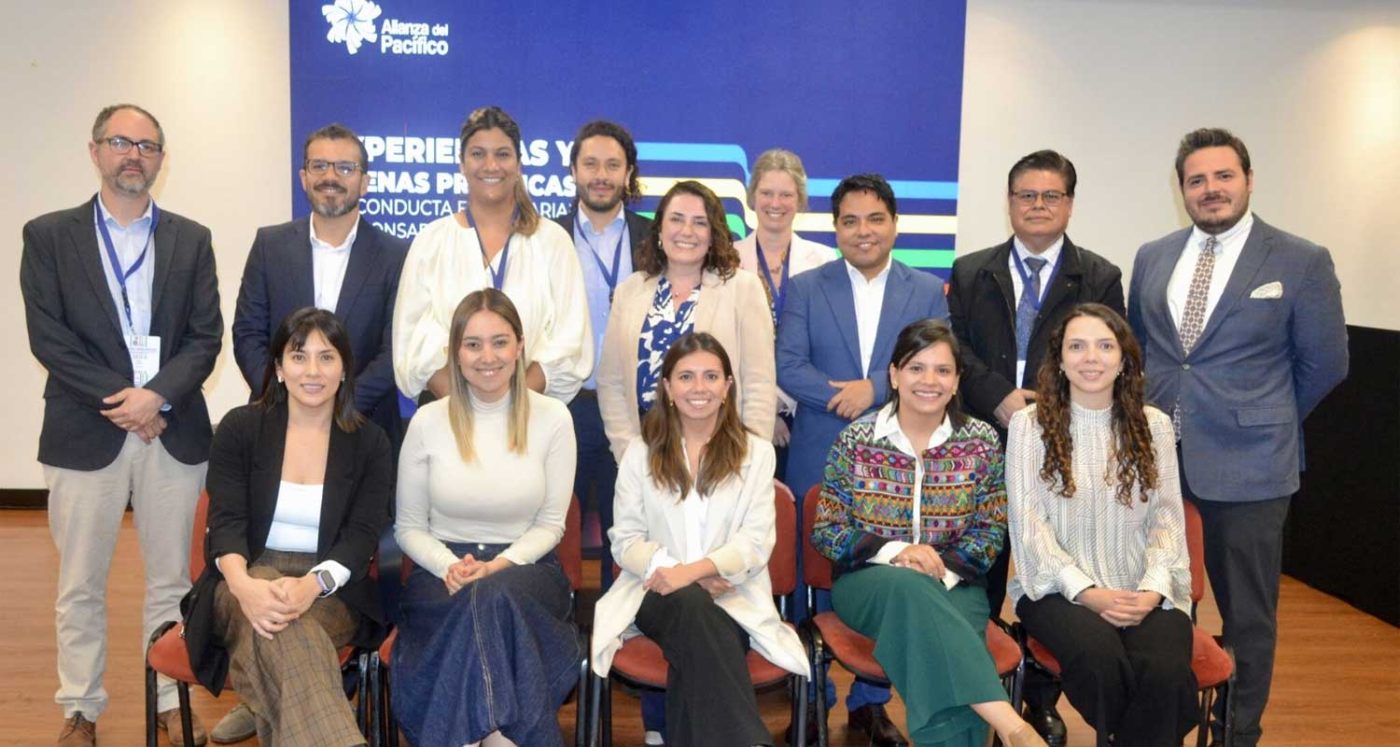
September 8 and 9, 2025. – On September 8, as part of the study “Experiences and Good practices in Responsible Business Conduct (RBC) in the Pacific Alliance countries,” funded by the Pacific Alliance Fund and developed by Conscientia, a face-to-face meeting was held in Bogotá, bringing together representatives from the governments of Chile, Colombia, Mexico, and Peru. Members of the Technical Group on Environment and Green Growth and the Subgroup on Responsible Business Conduct participated with the aim of reviewing the progress and preliminary results of the study, as well as promoting joint reflection on the challenges and opportunities for further strengthening the RBC agenda in the region.

During this event, the official launch of the OECD Regional Platform for Training and Dialogue on Responsible Business Conduct (RBC), Trade, and Investment was also celebrated. This initiative is part of the Responsible Business Conduct in Latin America and the Caribbean (CERALC) project, funded by the European Union and implemented in conjunction with the ILO and OHCHR.

This training space, inaugurated with the participation of more than 70 public officials from 12 countries in Latin America and the Caribbean, seeks to consolidate a community of practice to promote responsible business conduct through trade and investment in the region. The event was attended by representatives of governments, multilateral organizations, and National Contact Points, reaffirming the regional commitment to more responsible, sustainable, and human rights-aligned business conduct.

As part of the activities to disseminate the study on Experiences and Good Practices in Responsible Business Conduct (RBC) in the countries of the Pacific Alliance, a public event was held in Bogotá on September 9, bringing together representatives from governments, international organizations, businesses, trade associations, civil society, and academia, with the aim of strengthening this agenda in the region. The event was held in the Mario Laserna Auditorium of the Uniandinos Association and was broadcast live on the Pacific Alliance’s Facebook Live channel, allowing for a wider reach and facilitating the participation of actors from different countries.

The event opened with remarks by María Mesonero, representing the Pacific Alliance, and Camila Miranda, director of Conscientia, who highlighted the importance of RBC as a condition for competitiveness, sustainability, and social legitimacy.

One of the highlights was the live podcast “Panorama of RBC in Latin America,” hosted by José Fernando Gómez (CREER) together with Carlos de la Torre, from the United Nations High Commissioner for Human Rights in Colombia. The conversation underscored the need to integrate human rights into complex economic environments as an opportunity to generate virtuous circles and real transformations in the territories where companies operate. De la Torre highlighted the urgency of translating standards into concrete practices, pointing out the potential of the Pacific Alliance as a regional platform to align common efforts and serve as an international benchmark in RBC matters.

The RBC Talks offered key insights into the challenges facing the region:

  • Miguel Castro, OECD Focal Point for Latin America and the Caribbean, emphasized that adopting international standards not only strengthens reputation, but also opens markets and ensures long-term sustainability. He emphasized the importance of energy transitions and critical minerals, noting that their use will be decisive for regional competitiveness, provided that communities, people, and the environment are placed at the center. He also highlighted the opportunity for the Pacific Alliance to establish regional RBC frameworks that enable productivity, development, and just transitions, with responsible business conduct as a compass.
  • Rosa Peña, from the Interamerican Association for Environmental Defense (AIDA), began her speech by highlighting water as a fundamental element for life. She clarified that it is not a question of opposing development, but of preventing it from taking place at the expense of people’s health and lives. She reminded the audience that companies are not only economic actors, but also social actors embedded in a territory, with responsibilities towards communities and the climate crisis. She stated emphatically: “Without responsibility, there is no future.”
  • Juan Ibáñez, Secretary General of the Catholic University of Chile, presented the five tools of sustainability: purpose, due diligence, materiality, stakeholders, and ethics and compliance. He pointed out that these tools are available and have proven to be effective. “The present is ours. We owe it to our stakeholders and future generations. Let’s implement them,” he said in a call to move from theory to action.

The meeting also included the presentation of the RBC Study in the Pacific Alliance, by Camila Miranda and Diana Muñoz (Conscientia). The analysis highlighted common trends in the four countries, progress by country, and notable initiatives, along with persistent gaps in policy implementation and strategic opportunities to consolidate a shared agenda.

In the final phase, attendees participated in thematic working groups (human rights, environment, corporate governance and transparency, and local development and competitiveness), where they developed concrete recommendations that will be included in the final report.

The closing remarks were given by Humberto Cantú (University of Monterrey), who emphasized that Responsible Business Conduct is no longer aspirational but has become an indispensable condition for development. He stressed that the key lies in collaborative and multi-stakeholder work and in the ability of the Pacific Alliance countries to transform reflections into sustainable and replicable actions. He also highlighted the need to move towards a structural and regional vision of a regulatory framework for RBC, and to strengthen the cross-cutting nature of this agenda in foreign trade as a strategic element for the bloc’s competitiveness and international legitimacy.

With this event, the Pacific Alliance reaffirmed its commitment to move towards a development model based on Responsible Business Conduct, which balances economic growth, respect for human rights, and environmental sustainability.

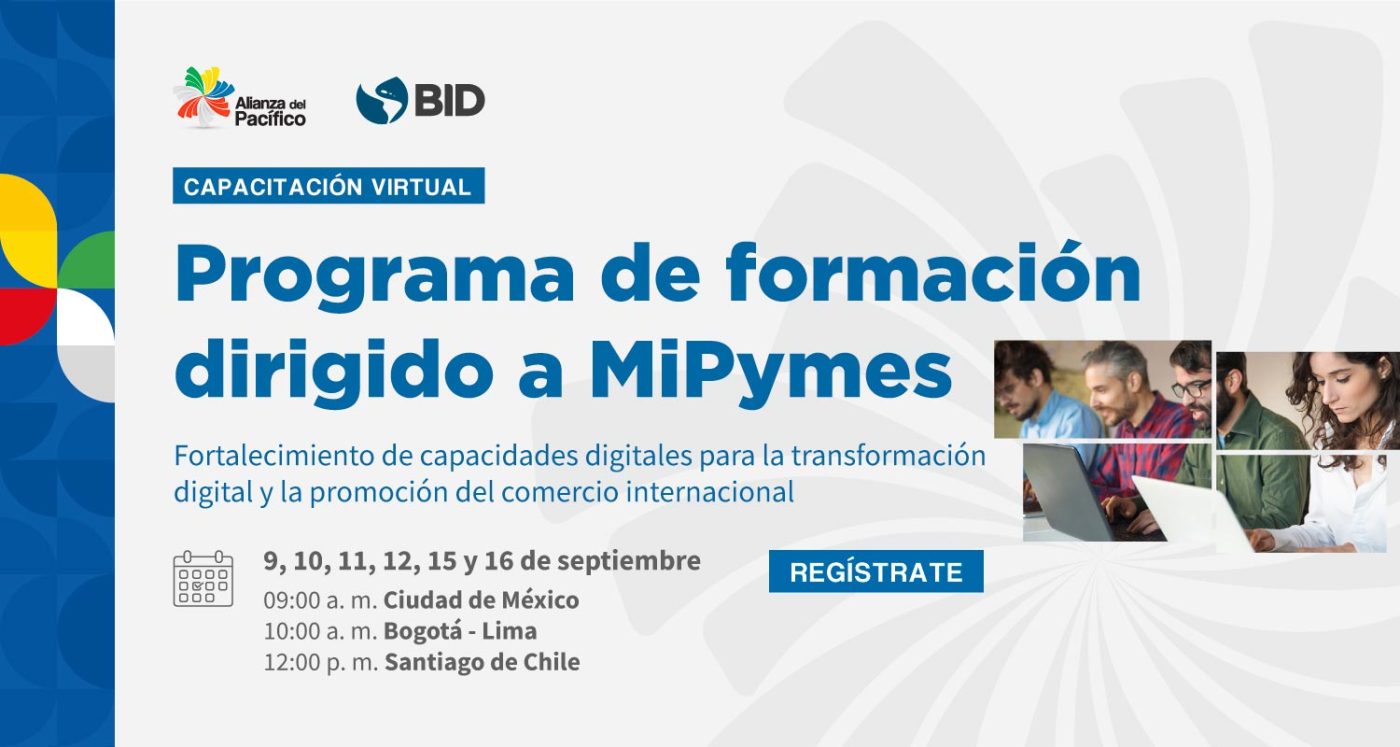
¡Take your MSME to the next digital level!

The Pacific Alliance (PA) and the Inter-American Development Bank (IDB) invite you to participate in the free virtual training program: “Strengthening digital capabilities for digital transformation and the promotion of international trade.”

When: Between September 9 and 16, 2025.

Who can participate: Business owners or entrepreneurs from micro, small, or medium-sized enterprises (MSMEs) in the region.

Schedule: 9:00 a.m. Mexico City / 10:00 a.m. Bogotá and Lima / 12:00 p.m. Santiago de Chile.

Program: Consists of six sessions that will cover the following topics:

  • Digital platforms, online stores, and payment systems (September 9)
  • Digital marketing and social media (September 10)
  • Strategies for the internationalization of an MSME (September 11)
  • E-commerce regulations and standards (September 12)
  • Business leadership in the context of digital transformation, efficiency in the adoption of new technologies and tools based on Artificial Intelligence (September 15)
  • Logistics and international shipping (September 16)

Register here
Preliminary program

Secure your spot! Attendees will receive a digital certificate from the IDB.

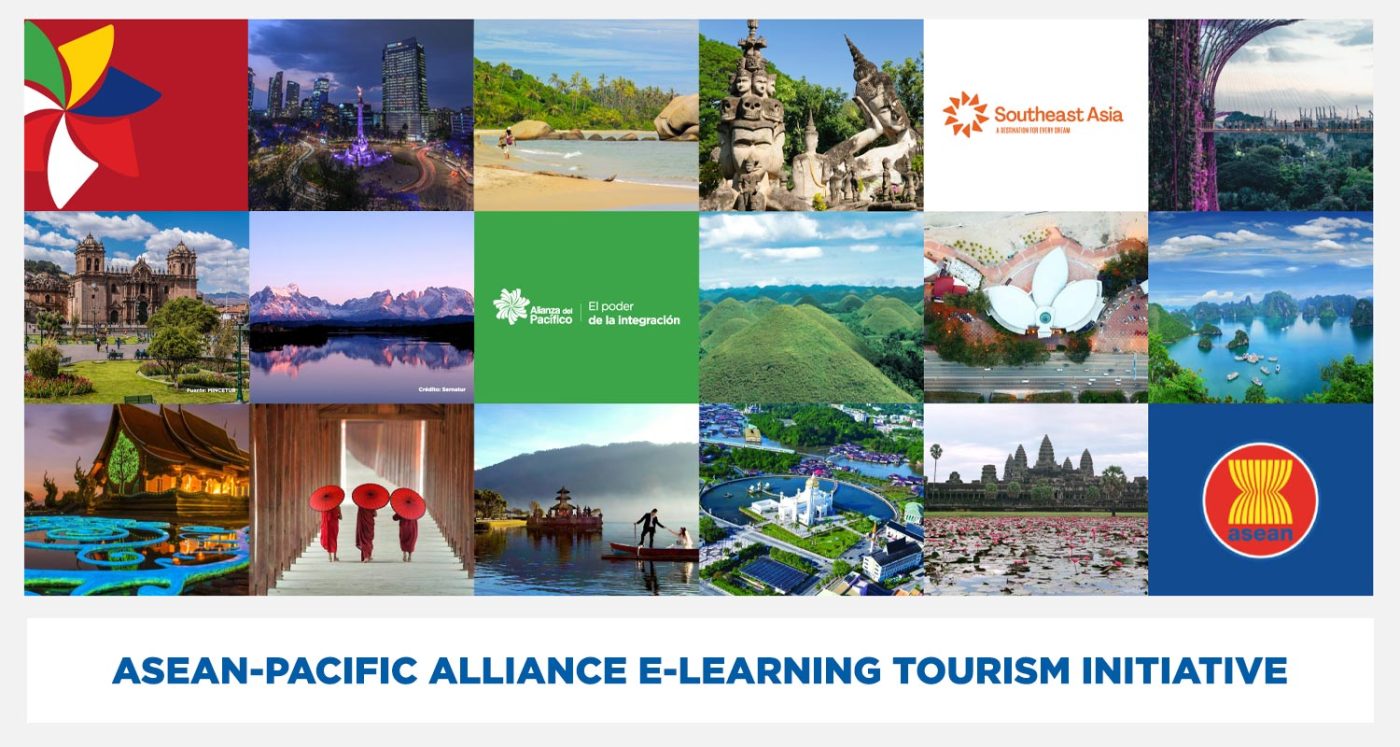
ASEAN – Pacific Alliance E-Learning Tourism Initiative

Welcome!

We invite you to join the ASEAN-Pacific Alliance Online Learning Initiative on Tourism, a collaboration between ASEAN and the Pacific Alliance Technical Group on Tourism.

On this platform, you will find specialized content developed by both regional blocs, focusing on two key areas:

Innovative practices in tourism
Discover how information technologies and creative business models are strengthening micro, small, and medium-sized tourism enterprises. Industry professionals share knowledge about digital tools that improve tourism services and experiences.

Sustainable tourism
Explore best practices aimed at improving the quality and sustainability of tourism offerings. Collaboration and shared learning will enable the development of high-quality, internationally competitive tourism products that promote the sustainable development of local communities and the conservation of their natural and cultural heritage.

🎥 Explore the full content on our microsite:

📝 We want to hear your opinion!

Help us improve future initiatives by sharing your comments:

https://forms.office.com/r/6rpmmMBcme

Thank you for being part of this journey toward innovation, sustainability, and global connection in tourism.

🔗Learn more:

Pacific Alliance: https://noticias.alianzapacifico.net/
ASEAN: https://asean.org/

XI Meeting between the ASEAN Permanent Representatives Committee and the National Coordinators of the Pacific Alliance

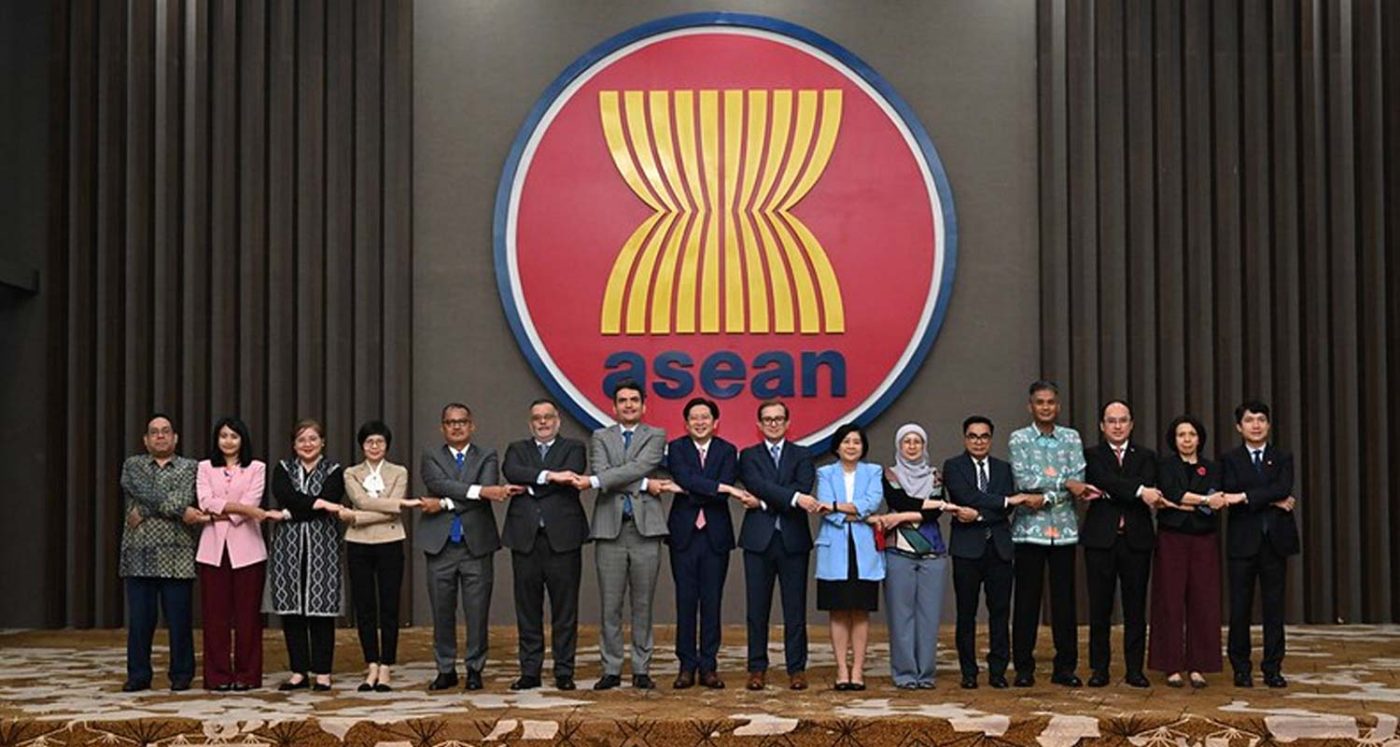
Jakarta (Indonesia), June 23, 2025.- In its capacity as Pro Tempore Presidency of the Pacific Alliance, Colombia co-chaired, together with Singapore, the XI Meeting between the Committee of Permanent Representatives of the General Secretariat of the Association of Southeast Asian Nations (ASEAN) and the National Coordinators of the Pacific Alliance.

This event brought together representatives from the ten ASEAN member countries, as well as delegations from Chile, Colombia, Mexico, and Peru, representing the Pacific Alliance.

“We celebrate the important achievements and progress made by ASEAN and its member countries on their path toward stronger regional integration. We recognize the value of mutual learning from the best practices implemented by each country, as well as the promotion of public policies that have contributed to economic growth and social inclusion in our respective regions.

We also highlight the continuous development and strengthening of trade capacities both intra and extra-regional, which boosts cooperation and exchange between the two blocs”, said Francisco Gutiérrez, Director of Regional Coordination and Integration Mechanisms at the Ministry of Foreign Affairs of Colombia.

Among the main items on the agenda for this meeting, the senior officials celebrated the entry into force on May 3 of the Free Trade Agreement between Singapore and two countries of the Pacific Alliance: Peru and Chile.

With a view to strengthening the framework for cooperation between the two regional blocs, the Pro Tempore Presidency of the Pacific Alliance underscored its commitment to implementing the ASEAN-Pacific Alliance Work Plan 2021-2026, which promotes capacity building in areas such as economic cooperation, education, science, technology and innovation, connectivity, and the environment.

During the meeting, Colombia’s National Coordination presented the progress led by the technical tourism bodies of ASEAN and the Pacific Alliance in relation to the launch of the sustainable tourism microsite.

This space highlights good practices that promote responsible tourism and innovation for the benefit of the economic development of local communities.

Preparations were also made for the VIII Ministerial Meeting between the Pacific Alliance and ASEAN, which will take place within the framework of the 80th session of the United Nations General Assembly in New York, United States, in September. This meeting consolidates its position as a strategic platform for dialogue between the two integration mechanisms, where joint decisions are planned and the Pacific Alliance’s projection towards the Asia-Pacific region is strengthened.

At the end of the meeting, representatives from ASEAN and the Pacific Alliance reaffirmed their commitment to strengthening dialogue and cooperation between the two blocs, with the aim of consolidating a more integrated, global, connected, and citizen-centered region, in line with the 2021–2026 Work Plan and the 2030 Vision of the Pacific Alliance.

COMMUNICATIONS PPT PACIFIC ALLIANCE 2025